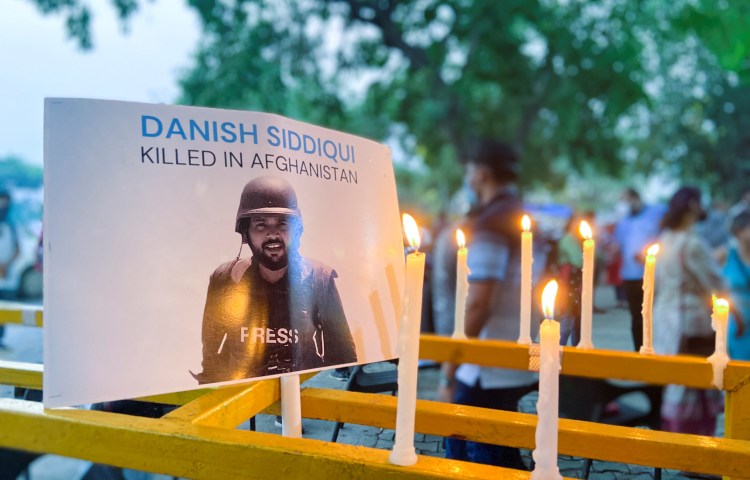
Attacks on the press: The deadliest countries in 2021
By Jennifer Dunham/CPJ Deputy Editorial Director Published January 19, 2022 At least 28 journalists were killed due to their work in 2021, with India and Mexico topping the list of countries with the most media worker deaths, according to the Committee to Protect Journalists’ final data for the year. Of the total – which has…
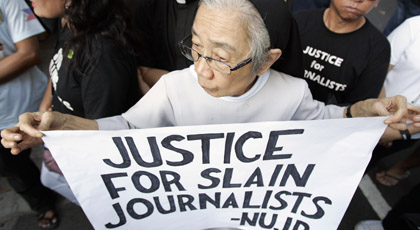
Ten Journalist Murder Cases to Solve
CPJ challenges authorities in 10 nations to bring justice and reverse culture of impunity New York, April 29, 2010—In the Philippines, political clan members slaughter more than 30 news media workers and dump their bodies in mass graves. In Sri Lanka, a prominent editor who has criticized authorities is so sure of retaliation that he…
Audio Report: Ten Murder Cases to Solve
In our special report, “Ten Journalist Murder Cases to Solve,” CPJ challenges authorities to solve these news media slayings and reverse the culture of impunity. Here, CPJ’s Robert Mahoney explains why each of these cases can be solved if governments demonstrate political will. Listen to the mp3 on the player above, or right click here to…
African Journalists Strategize at WAJA Conference
For some delegates, just getting to the West African Journalists Association (WAJA) regional conference in Dakar, Senegal, was an impressive achievement. While his colleagues used more conventional modes of transportation, Sierra Leone Association of Journalists (SLAJ) president Frank Kposowa navigated his way out of the country by night in a hired motorized dugout canoe. The…
West Africa’s Independent Radio Broadcasters Targeted
Six months after the coup in Niger led by General Ibrahim Mainassara, during the July 1996 national elections, Radio Anfani managing director Gremah Boucar faced down numerous attempts by Mainassara’s military regime to force the station permanently off the air, including a one-month period where soldiers stormed and occupied the Anfani studios. Almost a year…