The prosecution did outstanding work in the Domnikov case, but it stopped far too short, a human rights lawyer says. The problem is systemic.
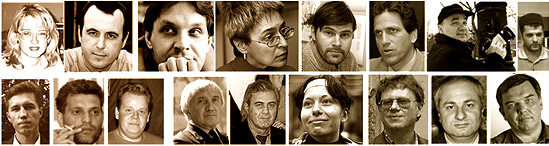
Anatomy of Injustice: The Unsolved Killings of Journalists in Russia
Karen Nersisian, a prominent human rights lawyer based in Moscow, represented Igor Domnikov’s family during the investigation into the journalist’s murder and the ensuing trial of criminal gang members based in Naberezhnye Chelny. In April, CPJ spoke with Nersisian about the case.
You represented the Domnikov family during the investigation and trial. What was your role?
I had to make certain that those charged with the murder were indeed the killers, that the investigation was conducted fairly and objectively, and that the masterminds were being sought. I traveled to Naberezhnye Chelny, studied the materials of the criminal case, and interviewed several of the suspects. I managed to persuade one such person to cooperate with the prosecution. He started to fully cooperate and helped us much during the trial. You know, to get the case solved, sometimes one has to use untraditional methods.
What led to a positive outcome?
The very fact this organized crime group was one of the most dangerous and bloody ones in Russia helped. And thanks to the media, thanks to the attention of the international community, we received extensive publicity. The authorities were under pressure; the investigation into Domnikov’s killing was being covered worldwide.
This was also a political move for Russia, a chance to demonstrate to the world that it can solve crimes against journalists, that it can bring at least one case to the end. Well, of course, later on it became clear that the masterminds had found a way to influence the process and circumvent justice. But at least in the beginning, things looked optimistic.
How do you evaluate the work of government investigators?
In the preliminary stages, I was confident that both killers and masterminds would be brought to justice because the investigation was carried out diligently. I was sure the investigation was tracking the real killers and had the right culprits in custody. In the very beginning investigators were working absolutely professionally, but it was clear that they were under high pressure in the closing stages.
When the case went to trial, it became clear that there was an order not to touch the masterminds. We were not given any chance to ask questions about the masterminds once the trial started.
And the head of the criminal group, Eduard Tagiryanov, he was at all times sticking to the point that it was all his responsibility, that it was only his initiative to kill Domnikov—though he had no apparent motive—and that no one had ordered him to do so.
This case once again proved that masterminds in Russia are untouchables. If these are big officials, big powerful people, they will always find a way to cover their tracks. Our Russian laws find their most merciful application when it comes to this group of people.
What are the key problems in the judicial system?
The judiciary is not independent. If judicial power was indeed independent, laws would have been applied equally, not selectively. There is no uniform standard of applying the laws in Russia.
The psychology of the powerful is that justice must serve them. It has always been this way. The justice system itself behaves as if it exists only by the mercy and under the patronage of the powerful. It will take much work to change this psychology. This won’t happen overnight. We need new people, new mentalities, new approaches.