Syria
2011
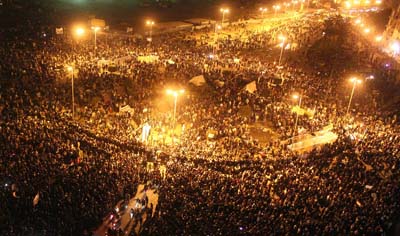
Syria must release imprisoned journalists
Dear President Assad: The Committee to Protect Journalists is writing to bring to your attention disturbing reports of journalists being arrested and subjected to abuse in Syrian prisons. In the past 10 months, CPJ has documented 29 cases of journalists who were arrested for their work and nine cases of foreign journalists who have been expelled from Syria since March. We have also documented nine cases of journalists who are currently in prison.
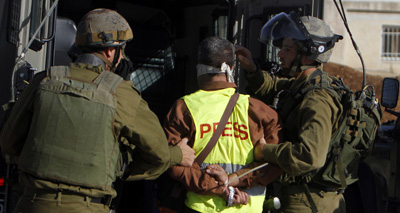
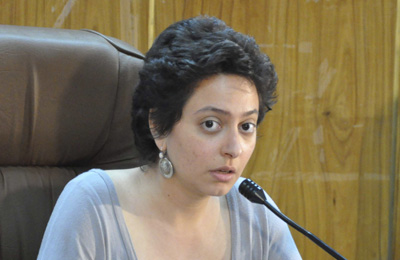
Syria detains blogger, press freedom advocate
New York, December 5, 2011–The Committee to Protect Journalists condemns the detention of journalist and press freedom campaigner Razan Ghazzawi and calls on Syrian authorities to immediately release her. CPJ also urges the government to end the routine harassment and detention of journalists and to make public the names of all detained journalists and any…
Syrian cameraman killed; last seen being arrested
New York, November 21, 2011–A Syrian cameraman was found dead Sunday with his eyes gouged out in the town of al-Qasir, according to several news reports. Ferzat Jarban, who was last seen being arrested, is the first journalist to be killed in Syria since CPJ started documenting journalist fatalities in 1992.
Syrian agreement must be monitored for press freedom
New York, November 2, 2011–The Syrian government’s acceptance of an Arab League proposal to end a crackdown on unrest must be closely monitored by international and domestic media, said the Committee to Protect Journalists in response to news of the agreement today. The measures include granting media access to the country as well as the…
When a bug fix can save a journalist’s life
One of the most exciting aspects of working on Internet technologies is how quickly the tools you build can spread to millions of users worldwide. It’s a heady experience, one that has occurred time and again here in Silicon Valley. But there’s also responsibility that attaches to that excitement. For every hundred thousand cases in…

The ‘new’ Syrian media law is nothing new
On August 28, President Bashar al-Assad approved a new media law that purportedly upholds freedom of expression and bans the arrest of journalists. Yet less than a week later, on Saturday, a Syrian journalist and contributor to the pan-Arab daily Al-Hayat was arrested, CPJ reported. Just two days before the endorsement of the law, Syrian…
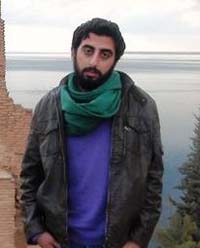
Syrian journalist arrested, held without charge
New York, September 6, 2011–The Committee to Protect Journalists is concerned by Saturday’s arrest of a Syrian journalist without charge and the continued reports of missing journalists in Syria. Amer Matar, contributor to the pan-Arab daily Al-Hayat, was arrested by Syrian security forces in Damascus on Saturday, the Guardian of London reported. Matar, who is also a political…