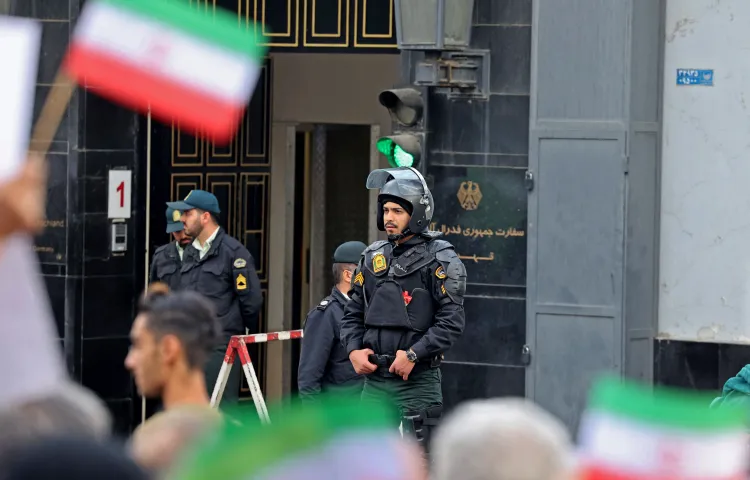
Four Iranian journalists detained after newsroom raid, detention of 30 employees
Washington, D.C., February 13, 2024—Iranian authorities must immediately release four journalists from the FardayeEghtesad news site who have been detained since February 5, drop any charges against them, and answer for the raid on their outlet and mass detention of 30 staff, the Committee to Protect Journalists said Tuesday. Around 2 p.m. on February 5,…
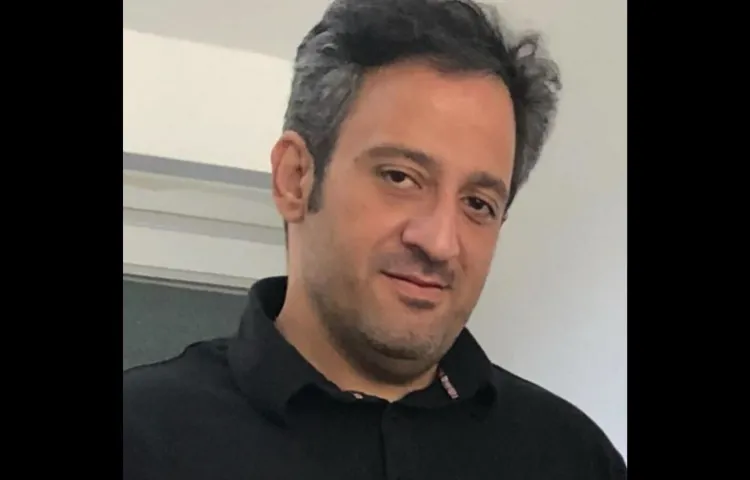
Iranian reporter Mehdi Afshar-Nik held incommunicado since January 31
Washington, D.C., February 6, 2024—Iranian authorities should immediately release investigative journalist Mehdi Afshar-Nik, whose whereabouts remain unknown since his arrest, and drop any charges against him, the Committee to Protect Journalists said Tuesday. Around midnight on January 31, two plain-clothed agents of the Iranian security forces raided Afshar-Nik’s home, ransacked his apartment, confiscated his personal…
Iranian journalist Nasrin Hassani begins 7-month prison sentence
Washington, D.C., February 6, 2024—Iranian authorities must release journalist Nasrin Hassani from prison immediately and cease jailing members of the press for doing their jobs by reporting on events of public interest, the Committee to Protect Journalists said Tuesday. On Sunday, Hassani, a reporter for the state-run local newspaper Etefaghyeh, and editor-in-chief of the social…
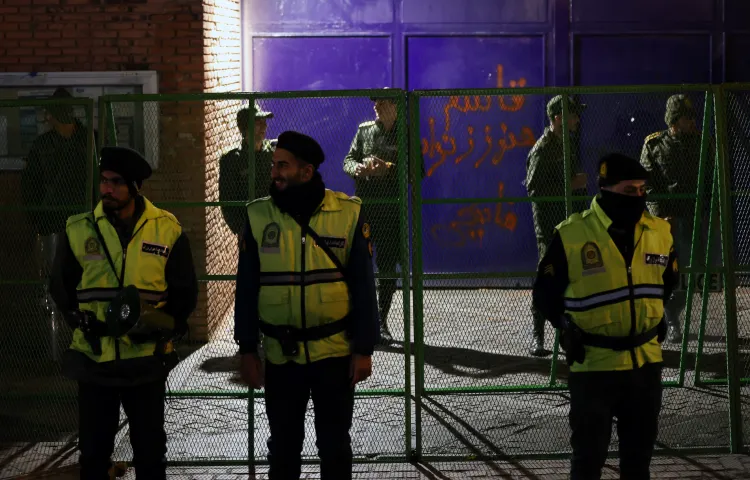
Iranian journalist starts serving 6-month sentence; others face raids, legal threats
Washington, D.C., January 31, 2024—Iranian authorities must immediately release Iranian Kurdish journalist Arsalan Rasouli Amarlooi and end its campaign of harassment and legal threats against journalists, the Committee to Protect Journalists said Wednesday. On January 24, security forces arrested Rasouli and took him to a prison work camp in the northern city of Kelardasht to…
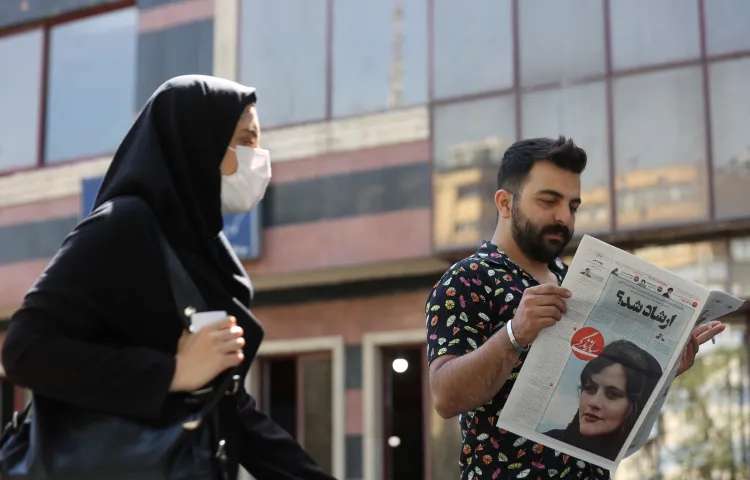
CPJ calls for release of all jailed Iranian journalists after bail granted to Niloofar Hamedi and Elahe Mohammadi
Washington, D.C., January 17, 2024—The Committee to Protect Journalists welcomes Iran’s decision to grant bail to journalists Niloofar Hamedi and Elahe Mohammadi while they await the outcome of appeals against their lengthy jail sentences, but calls on Iranian authorities to drop all charges and release all journalists still being held in connection with their work….
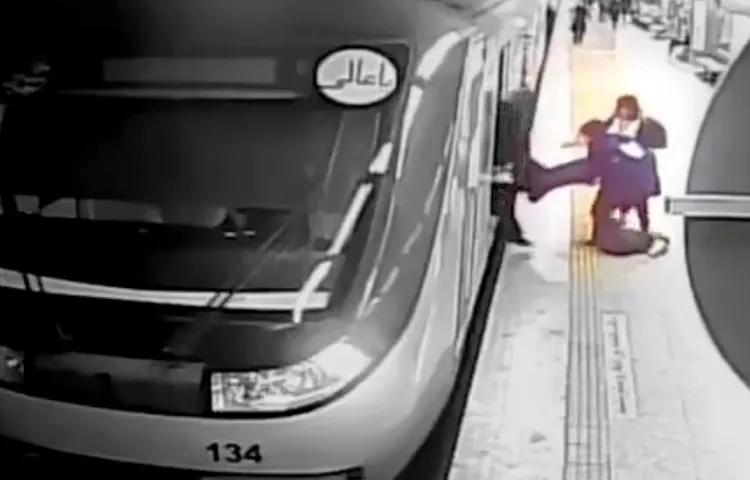
Iranian journalist Hasan Abbasi rearrested and held incommunicado
Washington, D.C., January 4, 2024—Iranian authorities should immediately release journalist Hasan Abbasi, whose whereabouts are unknown since his arrest, and drop any charges against him, the Committee to Protect Journalists said Thursday. On Tuesday, security forces arrested Abbasi, a freelance investigative reporter, in a public location in the southern port city of Bandar Abbas in…
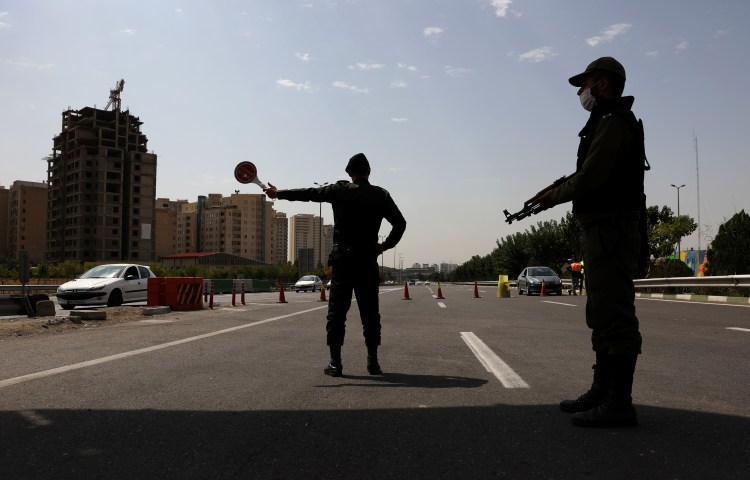
Iranian journalist Soltan-Ali Abedi jailed for 1 year for corruption reports
Washington, D.C., December 7, 2023—Iranian authorities must immediately release journalist Soltan-Ali Abedi, who is serving a one-year sentence for his reporting on mismanagement and corruption among local officials, and cease jailing journalists for simply doing their job, the Committee to Protect Journalists said Thursday. On Monday, Abedi, editor-in-chief of the local news website Diyareayyar.ir, was…
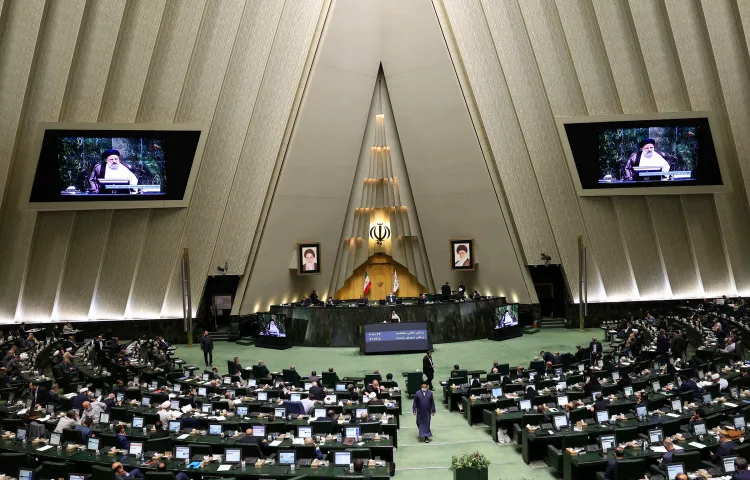
Iranian journalist Mohammad Mir-Ghasemzadeh arrested as authorities ramp up legal pressure on media
Washington, D.C., November 30, 2023—Iranian authorities must immediately release journalist Mohammad Mir-Ghasemzadeh and cease jailing journalists for simply doing their job, the Committee to Protect Journalists said Thursday. On Monday, security agents with the Islamic Republic’s Intelligence Ministry arrested Mir-Ghasemzadeh, a local reporter in the northern city of Sowme’eh Sara in Gilan province, and took…
Iran arrests 2 female environmental journalists in mass raids
Washington, D.C., November 14, 2023—Iranian authorities must immediately release journalists Nasim Tavafzadeh and Helaleh Nategheh and stop trying to silence journalists by jailing them, the Committee to Protect Journalists said Tuesday. On Saturday, intelligence agents with the Islamic Revolutionary Guard Corps arrested Tavafzadeh, editor-in-chief of the local news website Moroor.org, and Nategheh, an environmental reporter…

Iranian journalist Manijeh Moazen arrested
Washington, D.C., November 9, 2023—Iranian authorities must immediately release journalist Manijeh Moazen and cease jailing members of the press, the Committee to Protect Journalists said Thursday. On November 8, Moazen, a freelance journalist and translator, was arrested from her home in Iran’s capital, Tehran, and was taken to an undisclosed location, according to news reports and a…