CPJ, others request update on Egyptian journalist Alaa Abdelfattah from UN Working Group on Arbitrary Detention
The Committee to Protect Journalists joined 26 press freedom and human rights organizations in an April 17 letter to the UN Working Group on Arbitrary Detention (UNWGAD) seeking updates regarding the urgent appeal filed on November 14, 2023, about the case of jailed Egyptian blogger Alaa Abdelfattah. The appeal was submitted by 34 organizations, including…
CPJ joins letter on Alaa Abdelfattah to UN Working Group on Arbitrary Detention
The Committee to Protect Journalists, along with 33 other rights organizations, has signed on to the following letter in support of a submission to the United Nations Working Group on Arbitrary Detention (UNWGAD) about the case of jailed Egyptian blogger Alaa Abdelfattah. Read more about Abdelfattah and other journalists imprisoned in Egypt here. 23 November…
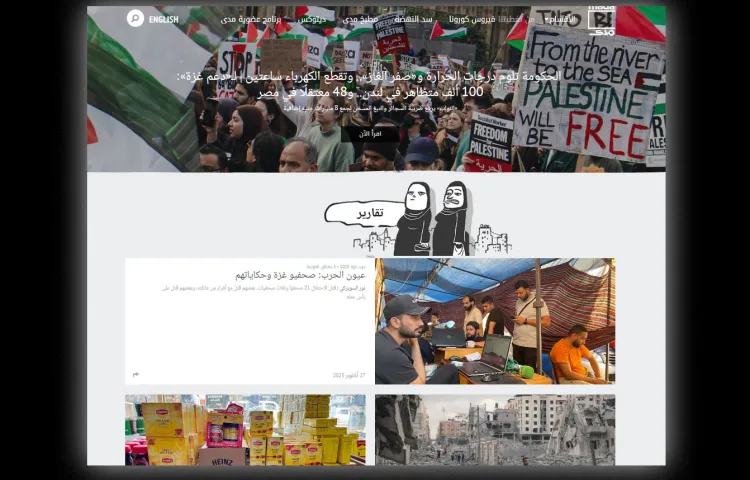
Egypt bans Mada Masr website for 6 months over report on Israel-Gaza war
New York, October 31, 2023—The Committee to Protect Journalists calls on Egypt’s Supreme Council for Media Regulation (SCMR) to revoke its six-month ban on the independent news website Mada Masr over its reporting on the Israel-Gaza war and to reverse its decision to refer the outlet for prosecution. On Sunday, the SCMR announced that, after…

Tipping the scales: Journalists’ lawyers face retaliation around the globe
The smears began the day Christian Ulate began representing jailed Guatemalan journalist José Rubén Zamora: tweets accusing the lawyer of being a leftist or questioning his legal credentials. He began to fear he was being surveilled. Ulate had taken over the case in August 2022 from two other lawyers, Romeo Montoya García and Mario Castañeda,…
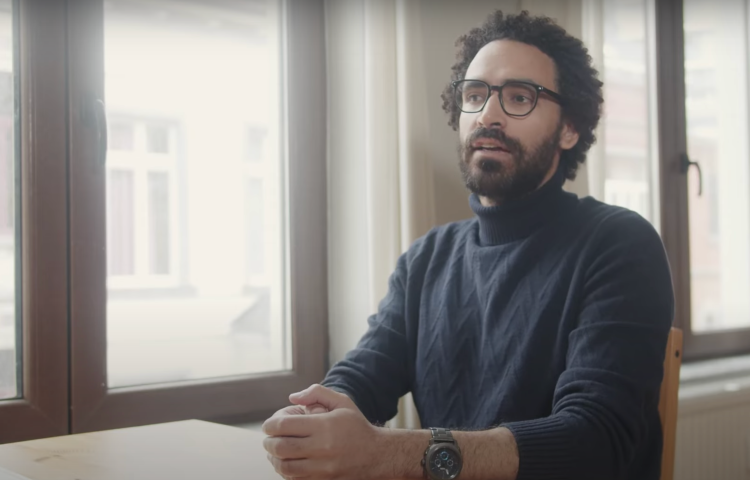
Egyptian authorities arrest father of freelance journalist Ahmed Gamal Ziada
New York, August 23, 2023 – Egyptian authorities must immediately and unconditionally release Gamal Abdelhamid Ziada and drop all charges against him, the Committee to Protect Journalists said Wednesday. On Tuesday, August 22, plainclothes state security forces arrested Ziada, the father of Belgium-based freelance Egyptian journalist Ahmed Gamal Ziada, on a street in Giza, according…
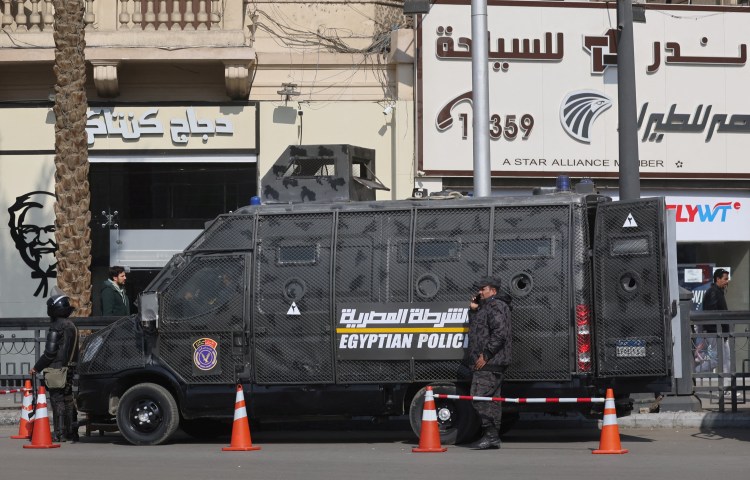
Egyptian journalist Karim Asaad’s whereabouts unknown following arrest
New York, August 20, 2023 – The Committee to Protect Journalists calls on Egyptian authorities to immediately release journalist Karim Asaad following his arrest on Saturday, August 19. “By arresting Karim Asaad, the Egyptian government has once again demonstrated its shameful dedication to cracking down on independent journalism and press freedom in the country,” said…
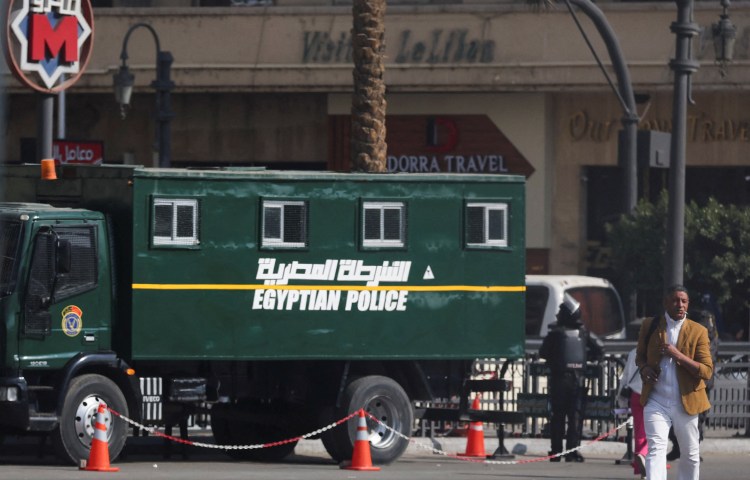
Trial to start Tuesday for 3 Mada Masr journalists in Egypt
New York, March 6, 2023–In response to reports that three journalists from the Egyptian independent news website Mada Masr are scheduled to face trial on Tuesday, March 7, on charges of misusing social media and offending members of parliament, the Committee to Protect Journalists issued the following statement calling for the charges against them to…
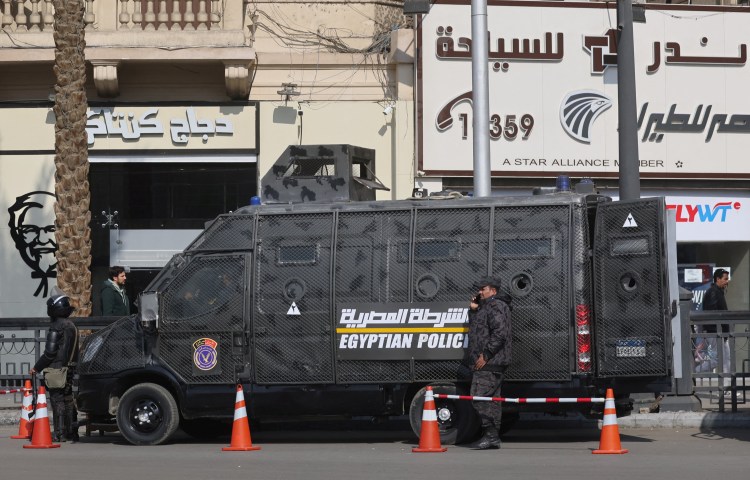
Egyptian journalist Ahmed Montasir detained since October
New York, January 25, 2023 – Egyptian authorities must immediately and unconditionally release journalist Ahmed Montasir and drop all charges against him, the Committee to Protect Journalists said Wednesday. On October 9, 2022, authorities in Cairo arrested Montasir, a freelance reporter who contributes to the independent news websites Ida2at and Al-Manassa, according to the independent…
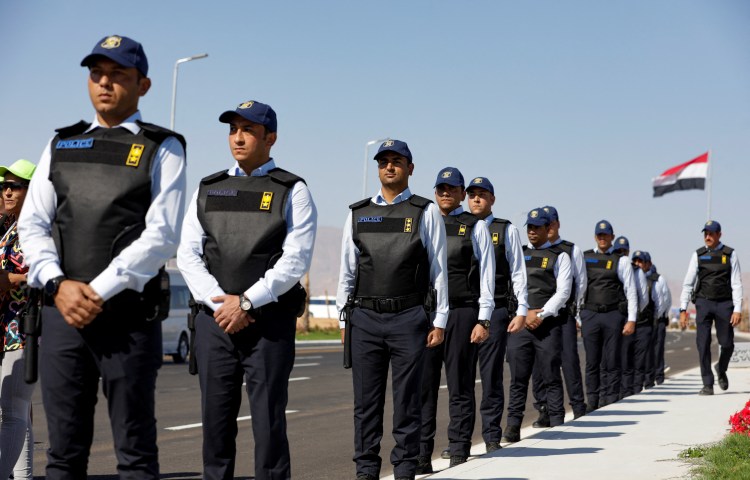
Egyptian authorities arrest journalist Ahmed Fayez for reporting on Alaa Abdelfattah
New York, November 14, 2022 – Egyptian authorities must immediately and unconditionally release journalist Ahmed Fayez and drop all charges against him, the Committee to Protect Journalists said Monday. On November 10, state security forces arrested Fayez, editor-in-chief of state-run newspaper Akhbar El-Barlman, from his home in Cairo, according to news reports and a local…
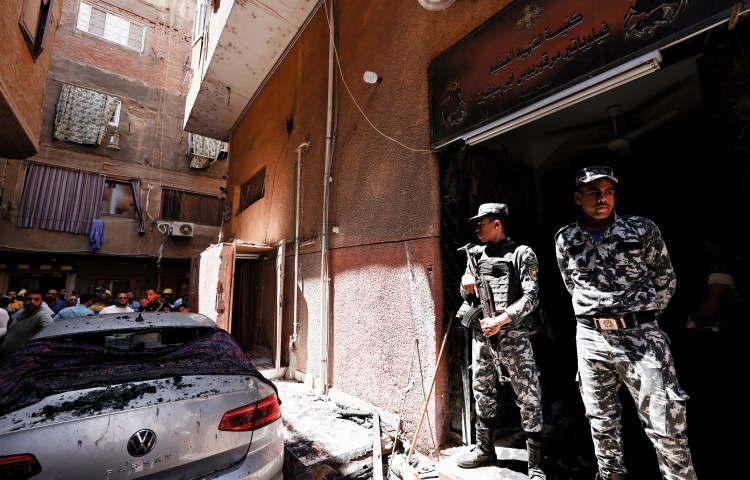
Egyptian authorities detain 3 journalists since September
New York, November 9, 2022 – Egyptian authorities must immediately and unconditionally release journalists Mohamed Mostafa Moussa, Amr Shnin, and Mahmoud Saad Diab and cease detaining journalists for their work, the Committee to Protect Journalists said Wednesday. On Monday, state security officers arrested Moussa, a freelance journalist who contributes to independent news websites Masr al-Arabia…