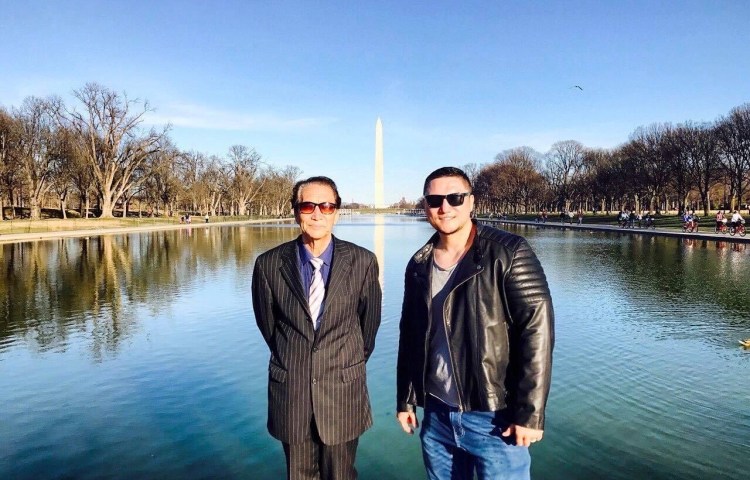
‘I couldn’t remain silent’: Son fights for Uyghur journalist’s release from Chinese prison
The last time Bahram Sintash saw his journalist father was in 2017. Qurban Mamut, an influential Uyghur editor had come to the United States for a visit but upon his return to Xinjiang in northwest China, he disappeared. Sintash later learned that his father had been swept up in China’s 2017 crackdown on Uyghurs and…
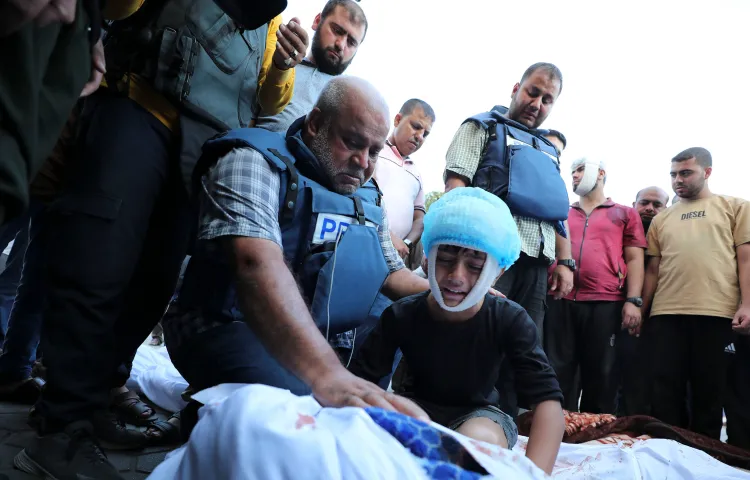
Attacks, arrests, threats, censorship: The high risks of reporting the Israel-Gaza war
Since the Israel-Gaza war began on October 7, journalists and media across the region have faced a hostile environment that has made reporting on the war exceptionally challenging. In addition to documenting the growing tally of journalists killed and injured, CPJ’s research has found multiple kinds of incidents of journalists being targeted while carrying out…

Indian journalists’ 2024 election concerns: political violence, trolling, device hacking
As the scorching summer peaks this year, India’s political landscape is coming to a boil. From April 19 until June 1, the world’s biggest democracy will hold the world’s biggest election, which the Hindu nationalist Bharatiya Janata Party (BJP) of Prime Minister Narendra Modi, who has been in power since 2014, is expected to win….
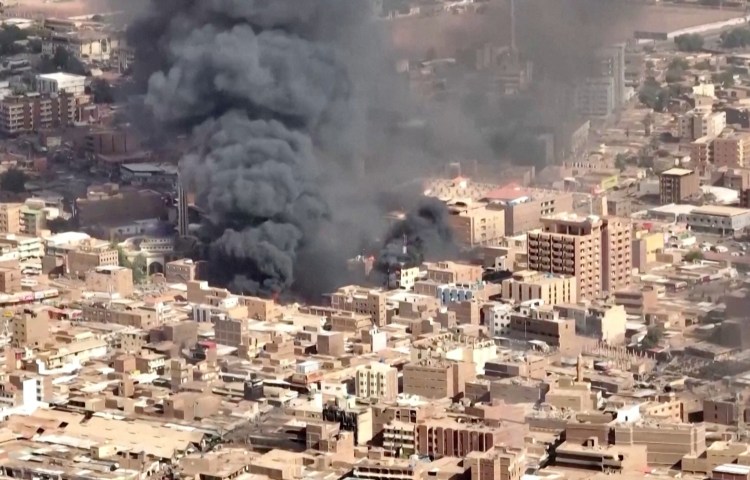
One year into Sudan’s civil war, its media faces grave threats
When fighting erupted in Sudan on April 15 of last year, local journalists quickly ran into difficulties reporting on the conflict roiling their country. As the Sudanese Armed Forces (SAF) and the Rapid Support Forces (RSF) – former allies who jointly seized power in a 2021 coup – engaged in street battles, journalists were assaulted,…
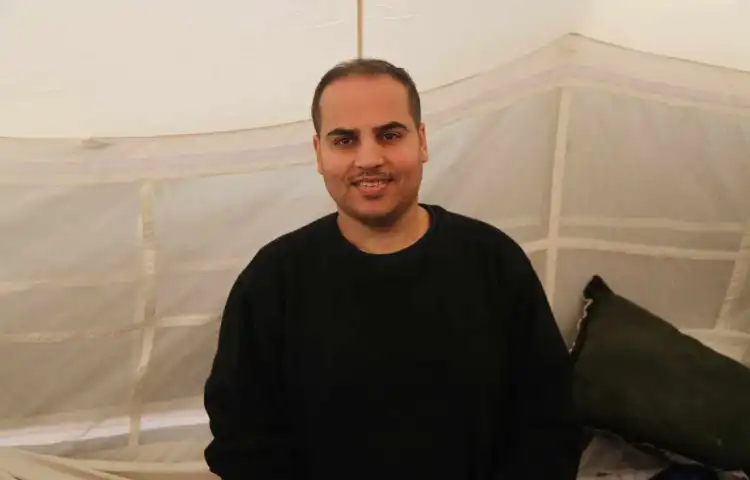
Gaza journalist Diaa Al-Kahlout describes 33 harrowing days in Israeli custody
Diaa Al-Kahlout, the veteran Gaza bureau chief for the Qatari-funded London-based newspaper Al-Araby Al-Jadeed, had been covering the Israel-Gaza war for two months when he became part of the news. On December 7, Al-Kahlout was detained along with members of his family by Israeli forces in a mass arrest in Beit Lahya in northern Gaza….
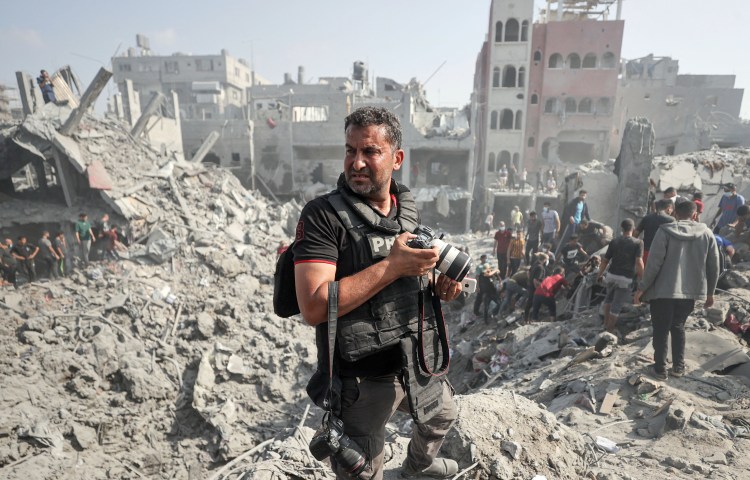
Gaza journalists struggle to report as they ‘expect to die daily’
New York-based Hoda Osman has spent the past six months helping Gaza journalists replace cameras, laptops, and phones lost or damaged in the Israel-Gaza war. More than 5,500 miles away, in the occupied West Bank city of Ramallah, Wafa’ Abdel Rahman coordinates humanitarian supplies and cash assistance for reporters under Israeli bombardment, while Rania Khayyat,…
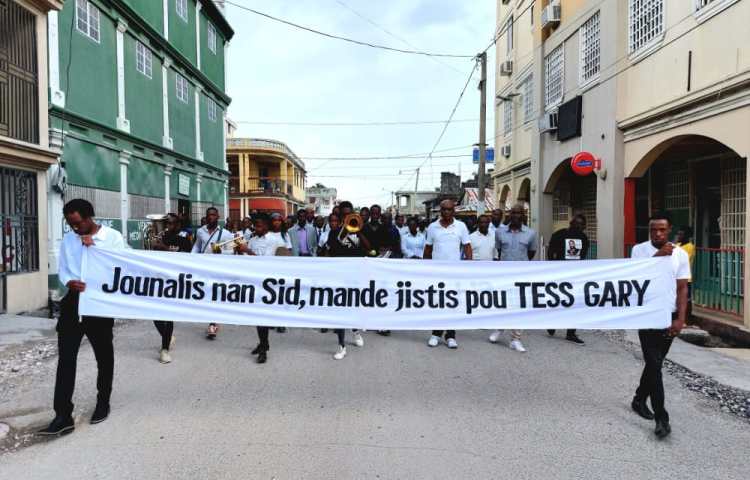
‘Powerful enemies’: Did a prosecutor order the murder of Haitian journalist Garry Tesse?
Haitian journalist Garry Tesse was on his way to work at a local radio station in the southern city of Les Cayes when he disappeared shortly after exiting a taxi. His naked and disfigured corpse was found six days later face down on the seashore close to downtown. One of his eyes was gouged out,…
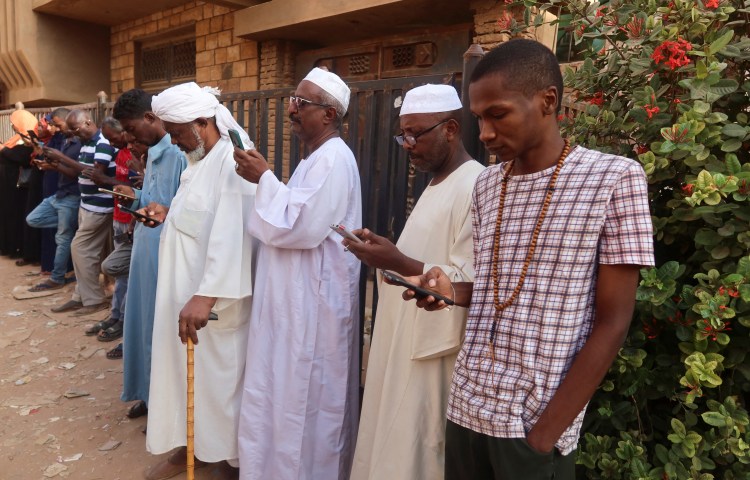
‘Back to the dark ages’: Editor Ataf Mohamed on Sudan’s wartime communications blackout
For the last six weeks, Sudan has been almost totally cut off from the world. Since early February, there has been an internet and telecommunications blackout in the country, where a war between the Sudanese army and the paramilitary Rapid Support Forces (RSF) has killed more than 13,000, displaced millions, and threatens to cause widespread…

‘A long fight’: Family of murdered Philippine journalist Gerry Ortega on their 13-year battle for justice
Philippine journalist Gerardo “Gerry” Ortega vowed he wouldn’t let the death threats stop him from using his radio show to expose corruption on the country’s idyllic tropical island of Palawan. “I am like a lone flame of a candle in a big dark room. I can’t light the whole room but I light a small…
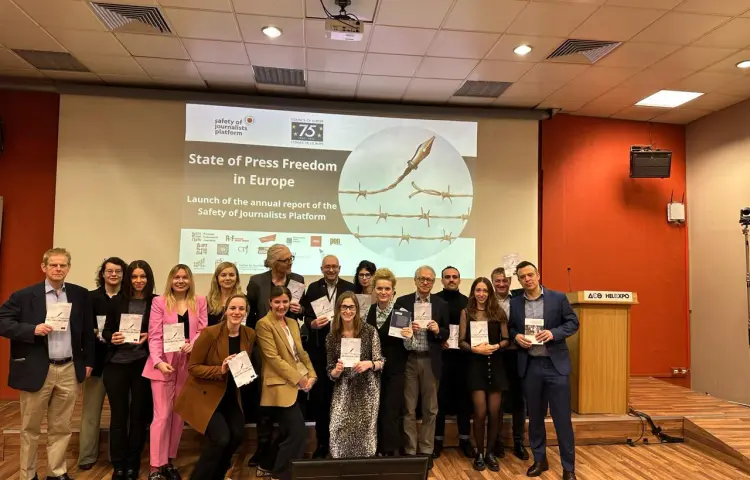
Council of Europe journalist safety platform sounds alarm over spyware and abusive lawsuits
The use of spyware against journalists, abusive lawsuits, and the perils facing journalists in exile are among the main concerns raised in the annual report of the Council of Europe’s Platform for the Protection of Journalism and Safety of Journalists released on March 5, 2024. The Committee to Protect Journalists was one of 15 press…