Uzbekistan
2011
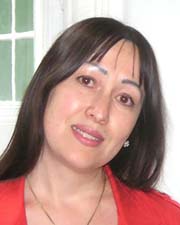
Surviving, thriving in exile: Q&A with Dina Yafasova
In September 2001, CPJ received a worrisome call. Uzbek journalist Dina Yafasova had been roughly interrogated by the Uzbek National Security Service, which threatened her with imminent arrest and physical abuse unless she revealed sources and names of articles she wrote for international publications. She left the agency deeply shaken and within days had left…
CPJ’s exiled journalists survey: Behind the numbers
In 2007, my colleague Karen Phillips suggested we do something to mark World Refugee Day. Initially planning to publish a brief statement, I set about reviewing our data for background, checking in with older journalist cases about their current situation and looking broadly for trends to highlight. As the number of cases began counting into…

French news site must prove Uzbekistan is a dictatorship
When Lola Karimova, the Uzbek president’s youngest daughter, decided to sue the French online newspaper Rue89 in August for libel, she wanted to restore the reputation of her country. Or did she? Her case against one of the most irreverent Paris media outlets is slowly turning into a public relations fiasco for her and the…
Attacks on the Press 2010: Europe and Central Asia Analysis
On the Runet, Old-School Repression Meets New By Nina Ognianova and Danny O’Brien Russian President Dmitry Medvedev has often talked about the importance of a free press and free Internet, telling reporters before his election that the Web “guarantees the independence of mass media.” He explicitly tied the two together in his first State of…
Attacks on the Press 2010: Uzbekistan
Top Developments • State deploys analysts to build sweeping criminal defamation cases. • Numerous regional and international news websites are blocked. Key Statistic 6: Journalists in prison on December 1, the highest figure in the region. Even as President Islam Karimov was calling for more “active” news reporting, his government was rolling out a new…
EU has contradictory message on Karimov, Lukashenko
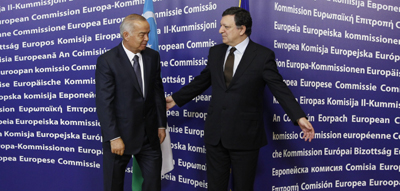
Unless European Union officials mean to expose the inconsistency of their own policymaking, they should stand firm by their declared commitment to defend press freedom and human rights in the former Soviet countries. For now, their drastically different approaches to authoritarian leaders in Belarus and Uzbekistan leave one questioning the EU’s strategy.
EU should press Uzbekistan on news media crisis
Dear President Barroso: We’re writing in advance of your January 24 meeting in Brussels with Uzbek President Islam Karimov to urge you to raise Uzbekistan’s grave press freedom conditions and to make clear to Karimov that any improvement of the country’s relationship with Europe is dependent on him taking steps to fix the press freedom crisis. The European Union made clear it is committed to human rights in Central Asia in its 2009 plan, “The European Union and Central Asia: The New Partnership in Action.”