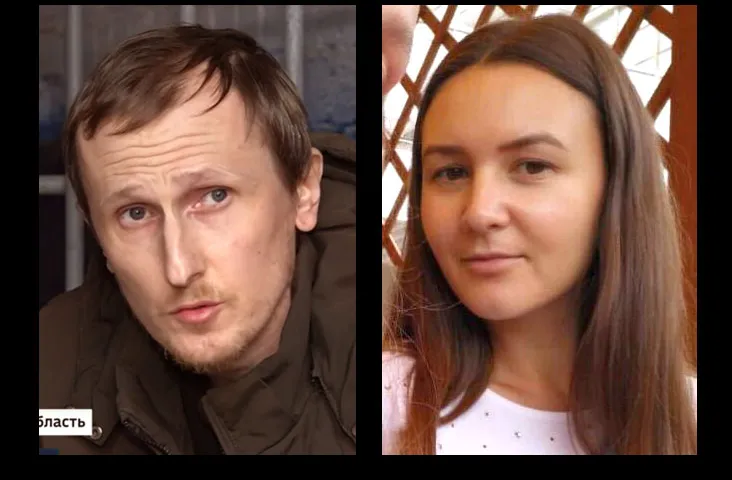
Ukrainian journalists Heorhiy Levchenko, Anatasiya Glukhovska missing since Russia detention
New York, April 17, 2024—Russian authorities must confirm the whereabouts of Ukrainian journalists Heorhiy Levchenko and Anatasiya Glukhovska, and drop all charges against them, the Committee to Protect Journalists said on Wednesday. Levchenko’s and Glukhovska’s detention was not made public until late October 2023, when Vesti Nedeli, a program of Russian state-owned TV channel Rossiya…

Russia orders exiled journalist Mikhail Zygar’s arrest in absentia
New York, April 16, 2024—Russian authorities must drop all legal proceedings against journalist and writer Mikhail Zygar and cease their ongoing repression of independent journalism, said the Committee to Protect Journalists on Tuesday. On April 16, a Moscow court ordered that Zygar, the former editor-in-chief of the now-exiled Russian broadcaster Dozhd TV (TV Rain) and a CPJ 2014…
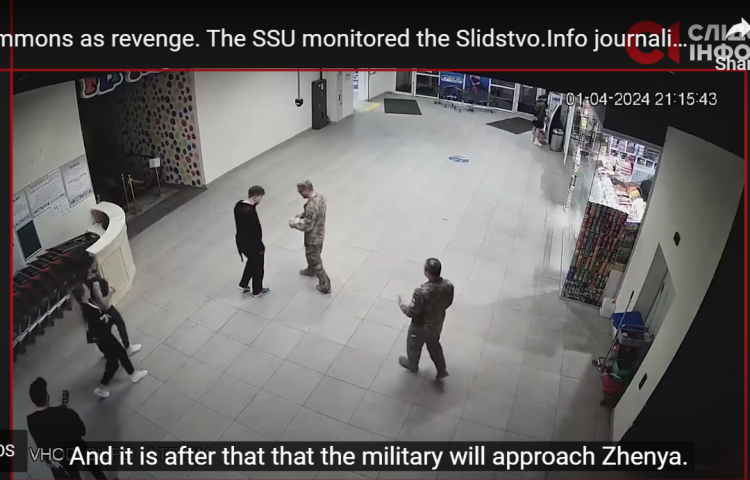
Ukrainian military attempts to intimidate journalist Yevhen Shulhat, reports say
New York, April 12, 2024—The Committee to Protect Journalists is calling for a transparent investigation into reports that Ukrainian military officers attempted to serve investigative journalist Yevhen Shulhat with a summons. On April 1, in Ukraine’s capital city Kyiv, two officers from a local military enlistment office approached Shulhat, a journalist with the Ukrainian investigative…
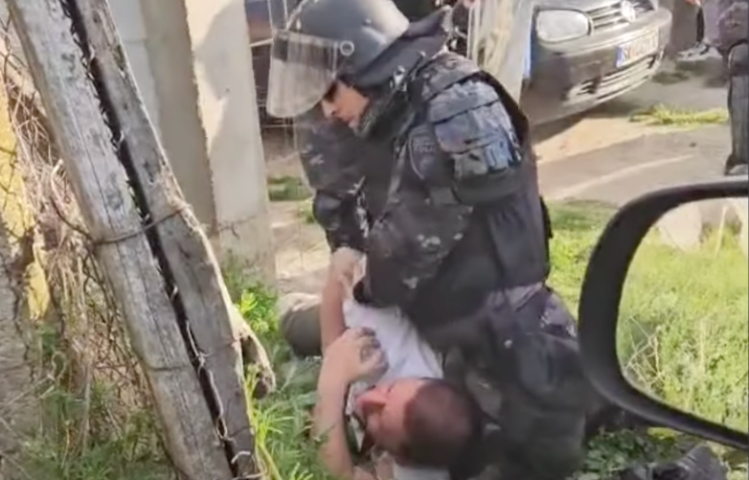
North Macedonia police arrest journalist Furkan Saliu at soccer match
Berlin, April 11, 2024—North Macedonia authorities should conduct a swift, thorough, and transparent investigation into riot police’s arrest of journalist Furkan Saliu at a soccer match and their deletion of footage from his phone and allow journalists to work without interference, the Committee to Protect Journalists said Thursday. On Sunday, police arrested Furkan Saliu, founder…
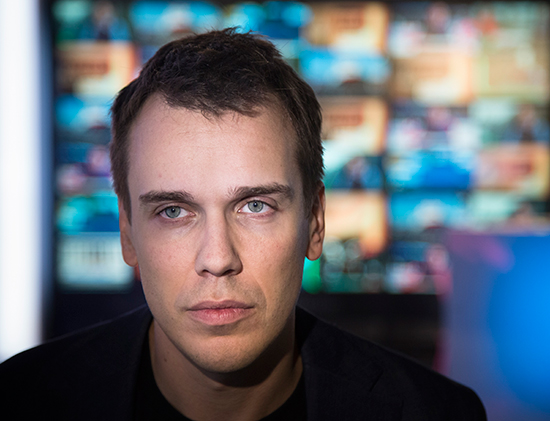
Russia issues arrest warrant for exiled journalist Mikhail Zygar
New York, April 9, 2024—Russian authorities must drop all charges against Russian journalist and writer Mikhail Zygar and stop harassing exiled members of the press, the Committee to Protect Journalists said Tuesday. “The shameful issuing of an arrest warrant for Mikhail Zygar by the Russian authorities shows both their determination to intimidate journalists in exile…
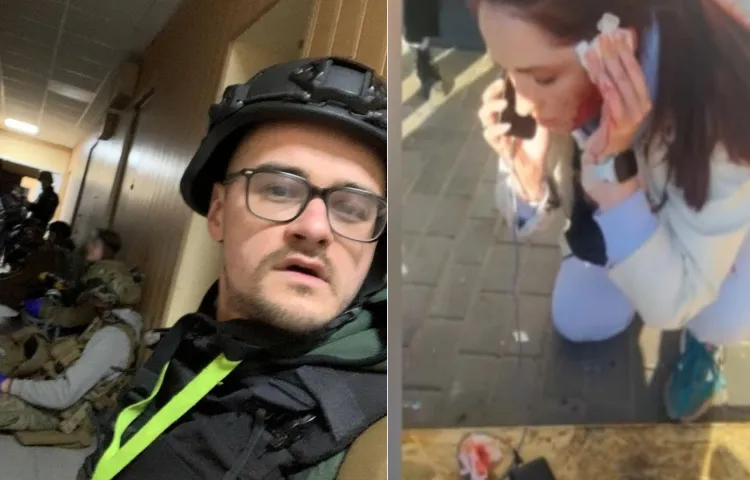
At least 4 Ukrainian journalists injured in consecutive attacks on Ukraine
New York, April 9, 2024—The Committee to Protect Journalists on Tuesday condemned Russia’s latest series of attacks on Ukraine that injured at least four Ukrainian journalists reporting on the war. On April 4, two early morning drone strikes hit Kharkiv in northeast Ukraine injuring Yuliya Boyko, a correspondent with the Ukrainian news website Novini.Live and a freelancer…
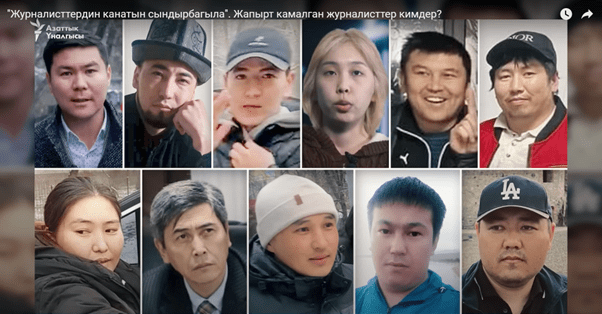
Kyrgyzstan releases 4 Temirov Live journalists; CPJ calls for dropping of charges against all 11
Stockholm, April 9, 2024—Kyrgyzstan authorities should withdraw charges against 11 current and former staff of anti-corruption investigative outlet Temirov Live, release the four still in detention, and allow the press to work without reprisal, the Committee to Protect Journalists said Tuesday. The Pervomaisky District Court in the capital, Bishkek, on Tuesday released four former Temirov…
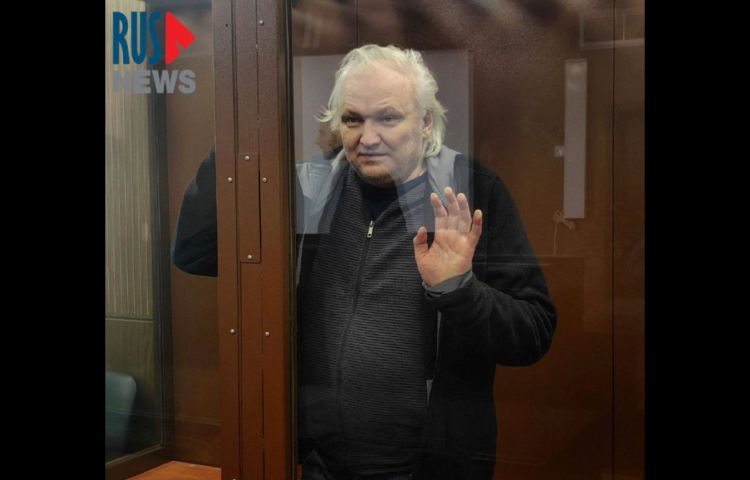
CPJ condemns Russian journalist Igor Kuznetsov’s 6-year prison sentence
New York, April 5, 2024—The Committee to Protect Journalists condemned the conviction and six-year prison sentence issued to Russian journalist Igor Kuznetsov on Friday and called on authorities to drop all charges, and release him immediately. A Moscow court convicted Kuznetsov, a reporter with the independent news website RusNews, on charges of inciting mass disturbances…
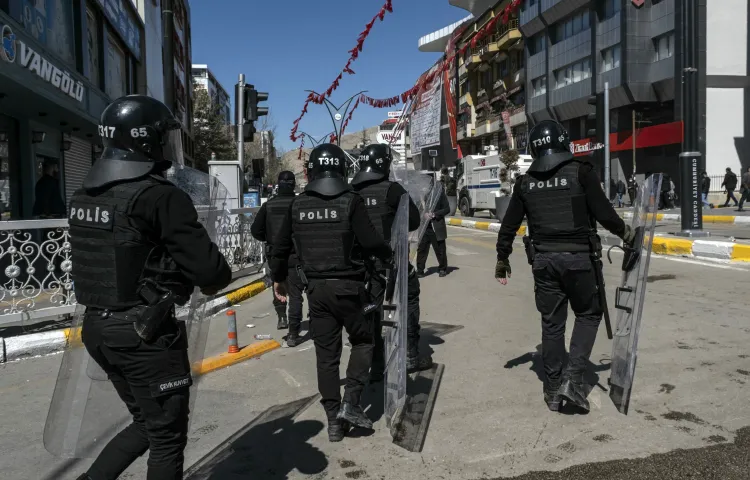
Turkish authorities attack, threaten, arrest several journalists during post-election unrest
Istanbul, April 5, 2024—Turkish authorities should allow media and journalists to do their jobs, and investigate reports of journalists being attacked by security forces and threatened online for their election reporting, the Committee to Protect Journalists said Friday. After Sunday’s local elections, Turkey’s highest election authority, the Supreme Election Council (YSK), rescinded the victory of a pro-Kurdish Peoples’ Equality and Democracy Party (DEM)…
CPJ, others welcome Council of Europe recommendations on countering SLAPPs
The Committee to Protect Journalists, as part of the Coalition Against SLAPPs in Europe (CASE), issued a Friday statement welcoming the Council of Europe’s adoption of recommendations on countering the use of SLAPPs. Strategic lawsuits against public participation, known as SLAPPs, are civil or criminal suits typically brought by individuals, institutions, or corporations to burden…