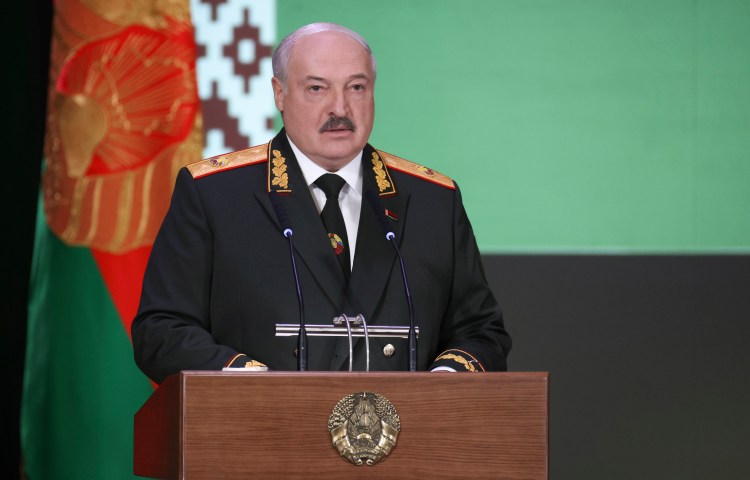
Belarus takes more than 20 ‘extremist’ news websites offline
New York, April 23, 2024—The Committee to Protect Journalists strongly condemns Belarusian authorities’ decision to cancel the domain names of news websites they labeled as “extremist” and calls for an end to the use of extremism legislation as a censorship tool to silence independent reporting. In an April 4 order, the Operational and Analytical Center (OAC)…
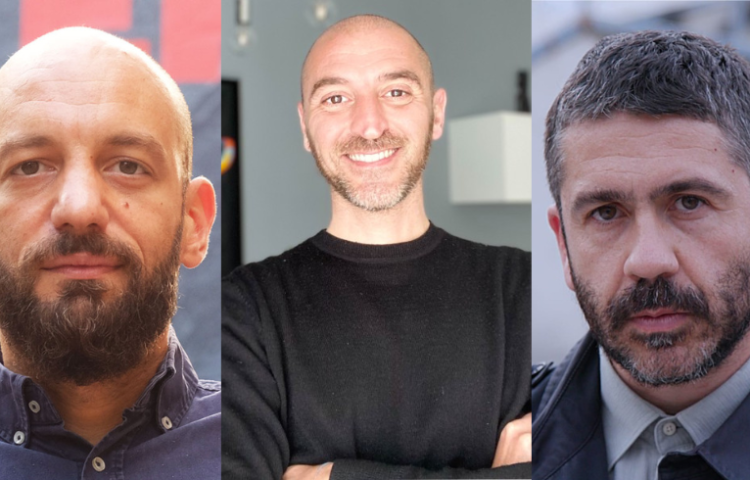
CPJ, others oppose prosecution of Italian investigative journalists in leaks probe
The Committee to Protect Journalists and more than 70 other signatories, including Italian and international press freedom groups and European media outlets, called on Italy on Tuesday to respect the right to report, rather than risk criminalizing journalism by prosecuting three reporters with Italy’s Domani newspaper in order to identify their sources. In a leaks…
Russian authorities raid journalist Ksenia Klochkova´s apartment
Berlin, April 22, 2024— The raid on Fontanka journalist Ksenia Klochkova’s home underscores the ongoing erosion of Russia’s press freedoms, and authorities should immediately end all harassment and punitive actions against journalists in connection with their work, the Committee to Protect Journalists said Monday. On April 18, officers with the Investigative Committee of the Russian Federation (SKR)…
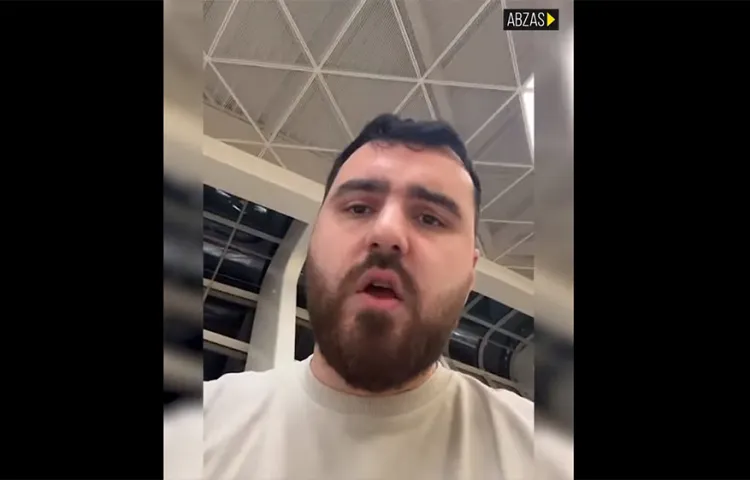
Azerbaijan arrests 13th journalist over alleged international donor funding
Stockholm, April 22, 2024—Azerbaijani authorities should release journalist Imran Aliyev and stop arresting journalists on allegations of illegally receiving funding from international donors, the Committee to Protect Journalists said Monday. On April 18, officers from the State Border Service, a law enforcement agency, detained Aliyev, founder and chief executive of the independent news outlet Meclis.info,…
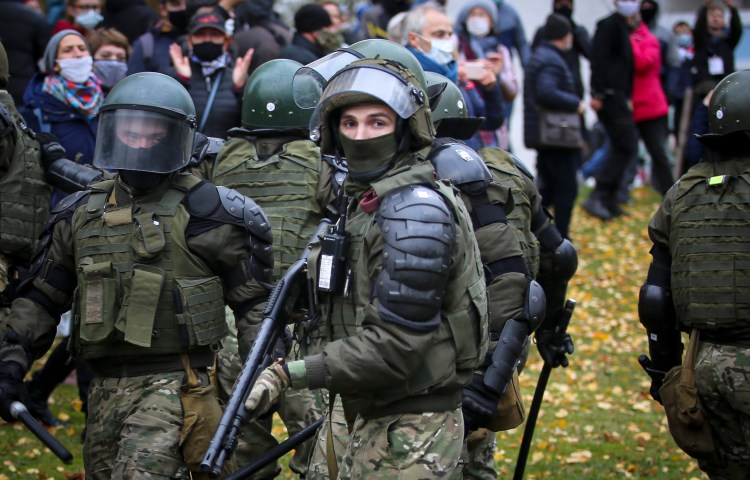
Belarus jails blogger Aliaksandr Ignatsiuk for 6 years on defamation, extortion charges
New York, April 19, 2023—Belarusian authorities must immediately release journalist Aliaksandr Ignatsiuk, who was sentenced to six years imprisonment, and ensure that no members of the press are jailed for their work. On April 5, a court in the southern city of Stolin convicted Ignatsiuk of extortion, organizing or participating in gross violations of public…
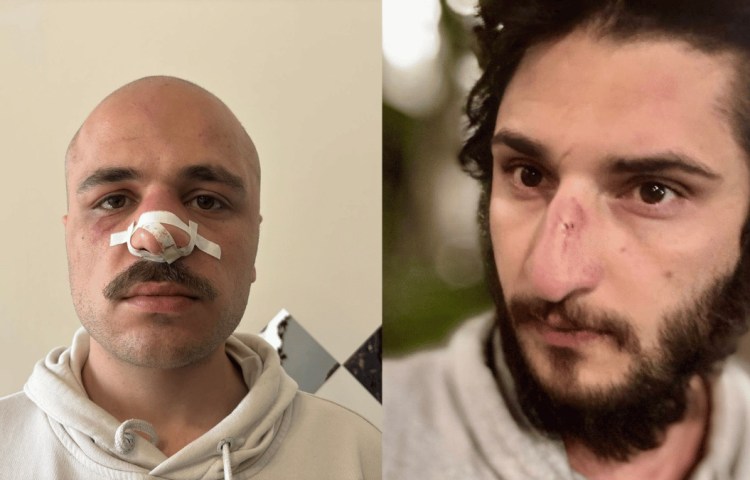
Georgian police assault at least 4 journalists covering ‘foreign agents’ bill protests
Stockholm, April 19, 2024—The Georgian Parliament should reject a draft law that would designate media outlets as “foreign agents,” and the authorities should investigate allegations of police brutality against journalists, hold those responsible accountable, and protect media members reporting on the ongoing protests, the Committee to Protect Journalists said on Friday. On April 17, the…
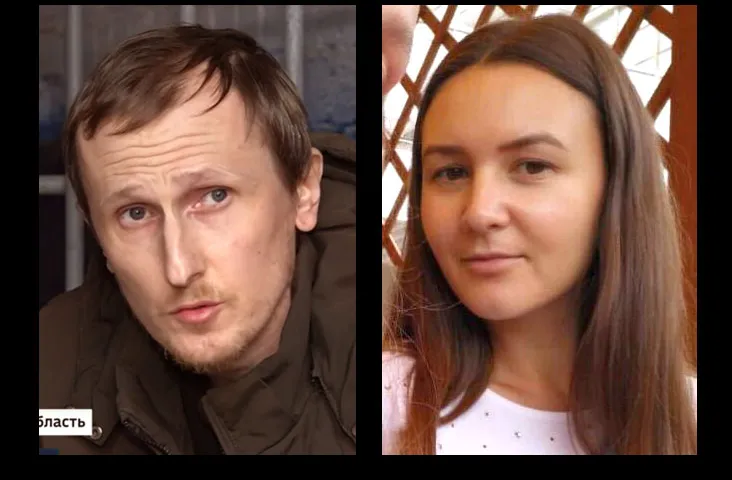
Ukrainian journalists Heorhiy Levchenko, Anastasiya Glukhovska missing since Russia detention
New York, April 17, 2024—Russian authorities must confirm the whereabouts of Ukrainian journalists Heorhiy Levchenko and Anastasiya Glukhovska, and drop all charges against them, the Committee to Protect Journalists said on Wednesday. Levchenko’s and Glukhovska’s detention was not made public until late October 2023, when Vesti Nedeli, a program of Russian state-owned TV channel Rossiya…

Russia orders exiled journalist Mikhail Zygar’s arrest in absentia
New York, April 16, 2024—Russian authorities must drop all legal proceedings against journalist and writer Mikhail Zygar and cease their ongoing repression of independent journalism, said the Committee to Protect Journalists on Tuesday. On April 16, a Moscow court ordered that Zygar, the former editor-in-chief of the now-exiled Russian broadcaster Dozhd TV (TV Rain) and a CPJ 2014…
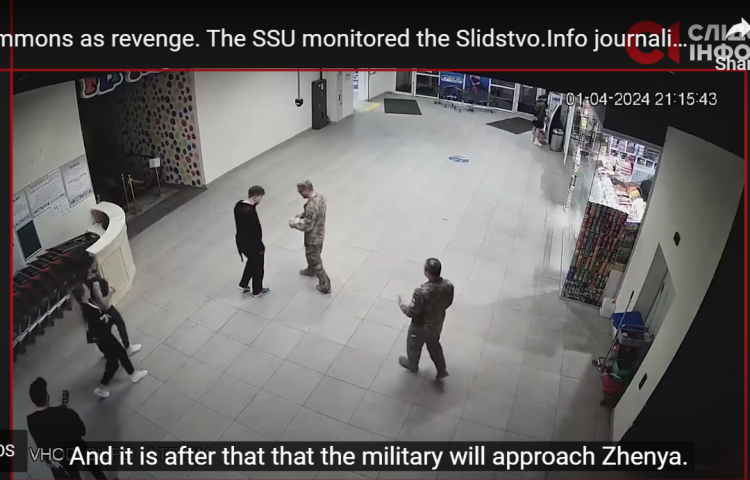
Ukrainian military attempts to intimidate journalist Yevhen Shulhat, reports say
New York, April 12, 2024—The Committee to Protect Journalists is calling for a transparent investigation into reports that Ukrainian military officers attempted to serve investigative journalist Yevhen Shulhat with a summons. On April 1, in Ukraine’s capital city Kyiv, two officers from a local military enlistment office approached Shulhat, a journalist with the Ukrainian investigative…
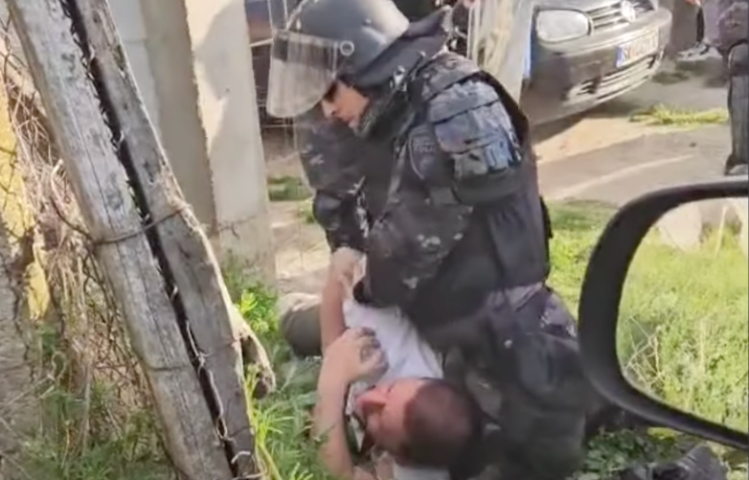
North Macedonia police arrest journalist Furkan Saliu at soccer match
Berlin, April 11, 2024—North Macedonia authorities should conduct a swift, thorough, and transparent investigation into riot police’s arrest of journalist Furkan Saliu at a soccer match and their deletion of footage from his phone and allow journalists to work without interference, the Committee to Protect Journalists said Thursday. On Sunday, police arrested Furkan Saliu, founder…