Syria
2012

Combat deaths at a high, risks shift for journalists
Murder is the leading cause of work-related deaths among journalists worldwide–and this year was no exception. But the death toll in 2012 continued a recent shift in the nature of journalist fatalities worldwide. More journalists were killed in combat situations in 2012 than in any year since 1992, when CPJ began keeping detailed records.
Syria’s desperate move to cut links won’t succeed
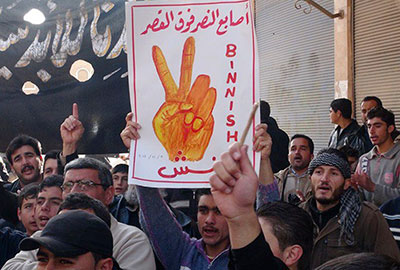
The Syrian Internet, like the country, appears to have been collapsing into a patchwork of unconnected systems for some time. I spent time talking to Syrians tech activists this week in Tunisia before Thursday’s shutdown, and their reports from the front painted a picture of two different networks.

Will UN plan address impunity, security for journalists?
Here are the facts:A journalist is killed in the line of duty somewhere around the world once every eight days.Nearly three out of four are targeted for murder. The rest are killed in the crossfire of combat, or on dangerous assignments such as street protests.Local journalists constitute the large majority of victims in all groups.The…

At Bayeux, war correspondents stress duty to report
Syria and Libya were the main themes at the 19th edition of the Bayeux-Calvados Prize for War Correspondents, which took place this weekend in the historical city of Bayeux, a few miles away from the Normandy beaches where Allied forces landed in June 1944 to liberate Europe from the Nazi yoke.

Syria, Somalia, Bahrain–where fathers bury their sons
The 17-year-old videographer Anas al-Tarsha regularly filmed clashes and military movements in the city of Homs in Syria, and posted the footage on YouTube. On February 24, he was killed by a mortar round while filming the bombardment of the city’s Qarabees district, according to news reports. The central city had been under attack for…
Weak cyber protections lead to personal, institutional risk
The Syrian civil war is also a propaganda war. With the Assad regime and the rebels both attempting to assure their supporters and the world that they are on the brink of victory, how the facts are reported has become central to the struggle. Hackers working in support of Assad loyalists this week decided to…

Don’t get your sources in Syria killed
Because foreign journalists have been virtually banned from Syria during the uprising against Bashar al-Assad’s regime, news coverage has relied heavily on citizen journalists and international reporters working with sources inside the country. Syrians who communicate with foreign news media run the risk of being threatened, detained, tortured, or even killed.
Most censored nations each distort the Net in own way
One big reason for the Internet’s success is its role as a universal standard, interoperable across the world. The data packets that leave your computer in Botswana are the same as those which arrive in Barbados. The same is increasingly true of modern mobile networks. Standards are converging: You can use your phone, access an…

Safer mobile use is key issue for journalists
As the Internet and mobile communications become more integrated into reporters’ work, the digital threats to journalists’ work and safety have increased as well. While many press reports have documented Internet surveillance and censorship–and the efforts to combat them–mobile communications are the new frontline for journalist security.