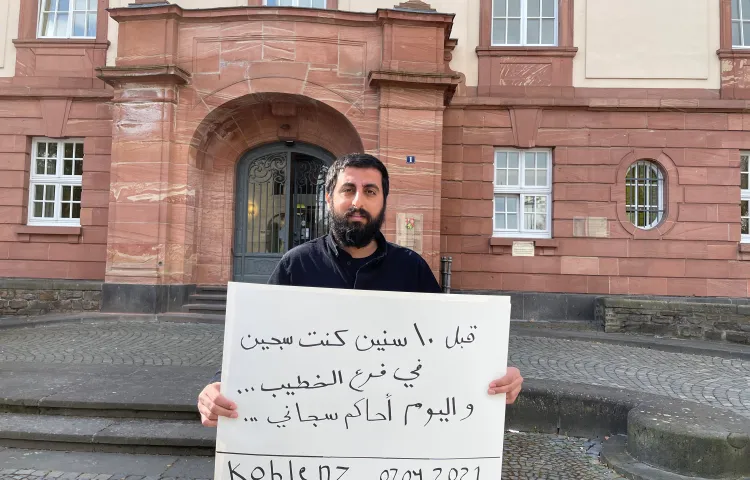
Syrian journalist Amer Matar on facing his torturer in court
Syrian journalist Amer Matar was regularly blindfolded, handcuffed, and beaten with cables, whips, and fists during the eight months he was held in a Syrian prison. When a German court sentenced one of his torturers – Syrian army colonel Anwar Raslan – to life in prison earlier this month, Matar finally felt that at least…
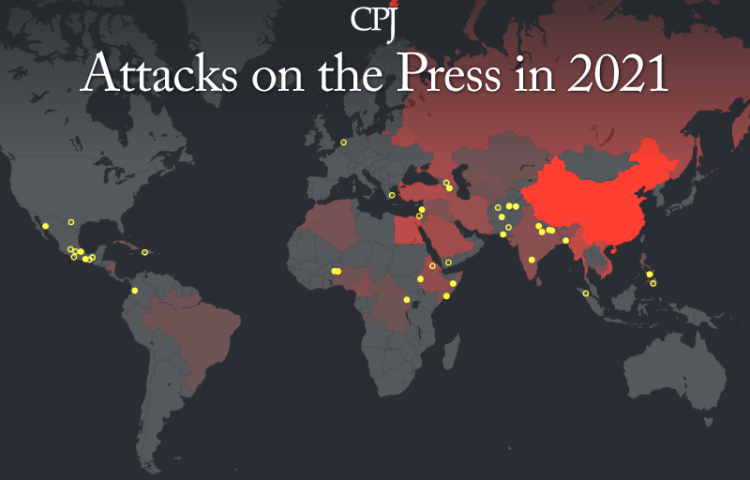
In Middle East and North Africa, a drop in attacks on journalists belies dire state of press freedom
The Middle East and North Africa region has long been especially dangerous for journalists. The Committee to Protect Journalists’ research has found that one out of every three reporters killed worldwide in retaliation for their work since 1992 — 477 out of 1,422, or 33.5% – were located in the region. That proportion rose to…
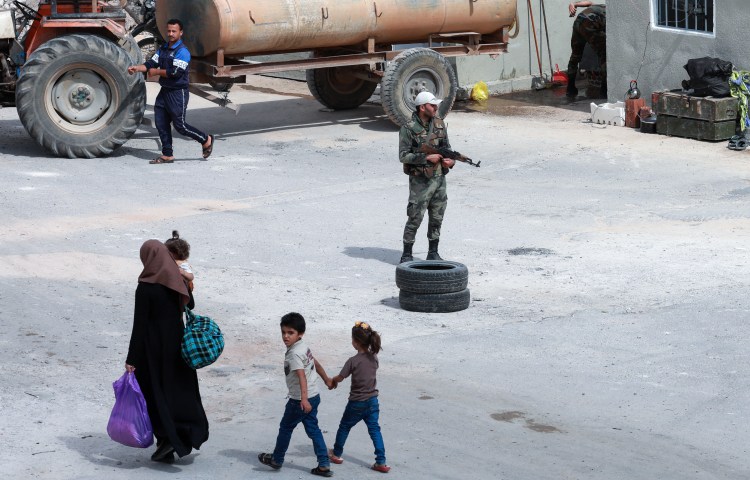
Syrian journalists fear for their lives despite the end of the siege of Daraa al-Balad
On September 9, the Syrian Army and its allies lifted their two-and-a half-month siege of the district of Daraa al-Balad in southern Syria under a Russian-brokered ceasefire with local rebels. The deal is the latest chapter in the long saga of the district, a cradle of the 2011 revolution that was recaptured by Syrian Army…

‘Be patient and prevent despair’: An exiled Syrian journalist’s advice for fleeing Afghan reporters
Syrian journalist Okba Mohammad was 20 years old when he arrived in Spain after fleeing the Syrian civil war with CPJ’s help in May 2019. “I felt that everything around me was strange: the people, the country, religion, culture,” he told CPJ in a recent interview via messaging app. But he also felt a sense…
At-risk journalists who must flee home countries often find few quick and safe options
In 2018, journalist Mohammad Shubaat was in Daraa, Syria, caught between advancing forces aligned with Syrian President Bashar al-Assad and the closed borders of Israel and Jordan. Despite the dire threat to Shubaat and many of his colleagues, it would take over a year of intense negotiations with some 20 countries by the Committee to…
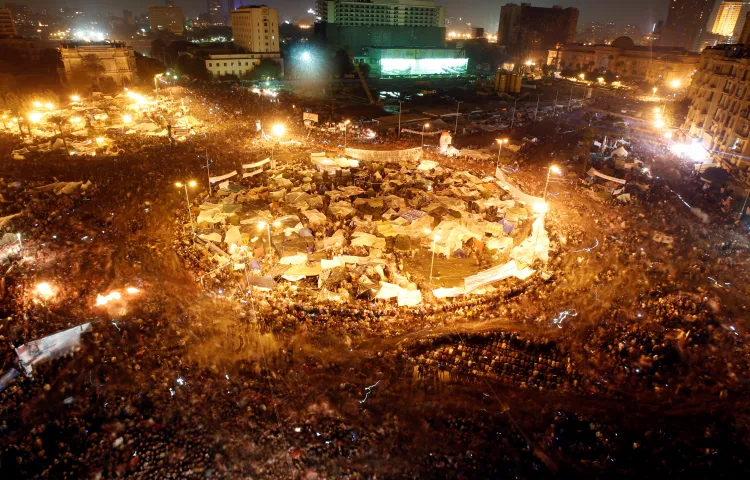
Ten years after the Arab Spring, the region’s media faces grave threats. Here are the top press freedom trends
In early February 2011, Alaa Abdelfattah was in Egypt’s Tahrir Square, documenting and participating in the nascent pro-democracy uprising that would topple the government and transform the country and the region. Today, he is in prison on anti-state and false news charges, which his family believes are partly retaliatory for his work. Abdelfattah is one of…

Journalists in Syria tell CPJ of fear of humanitarian catastrophe if COVID-19 spreads
Syria hasn’t been greatly impacted by the global COVID-19 pandemic. The Syrian Health Ministry has counted 123 cases, and six deaths as of June 1, according to a report by the United Nations Office for the Coordination of Humanitarian Affairs (OCHA). The country has begun to relax restrictions it imposed in mid-March, including curfews and…
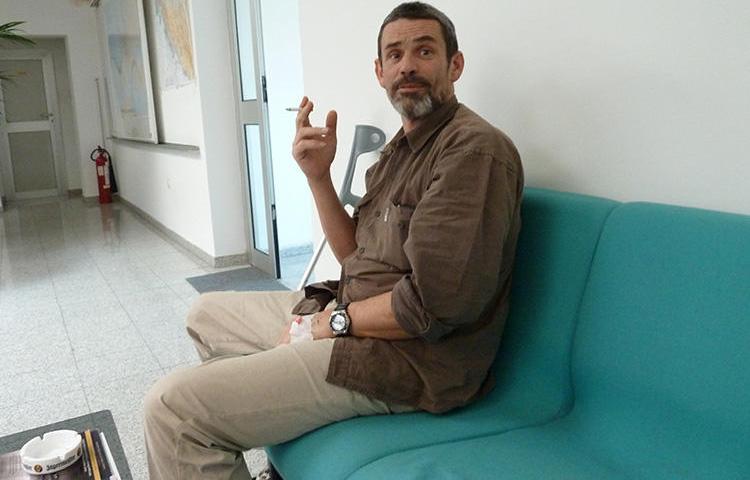

On International Women’s Day, CPJ highlights jailed female journalists
On International Women’s Day, CPJ has highlighted the cases of female journalists jailed around the world in retaliation for their work. At least 33 of the 251 journalists in jail at the time of CPJ’s prison census are women. At least one of those–Turkish reporter and artist Zehra Dogan–was released in February after serving a…
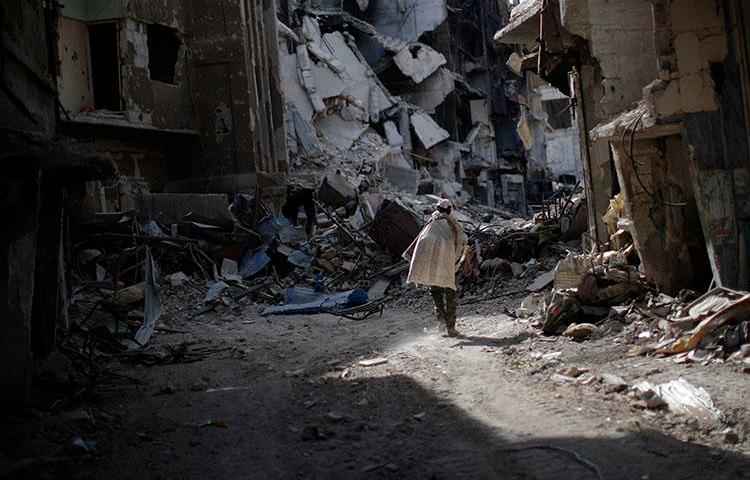
Damascus journalist has a million stories but none she can safely report
Joudy Boulos has a million stories she wants to write. But as a Syrian freelance journalist living in Damascus, her ability to report is severely limited by the regime of Syrian President Bashar al-Assad. It is so dangerous that “Joudy Boulos” is a pseudonym the journalist sometimes uses when reporting and to protect her safety.…