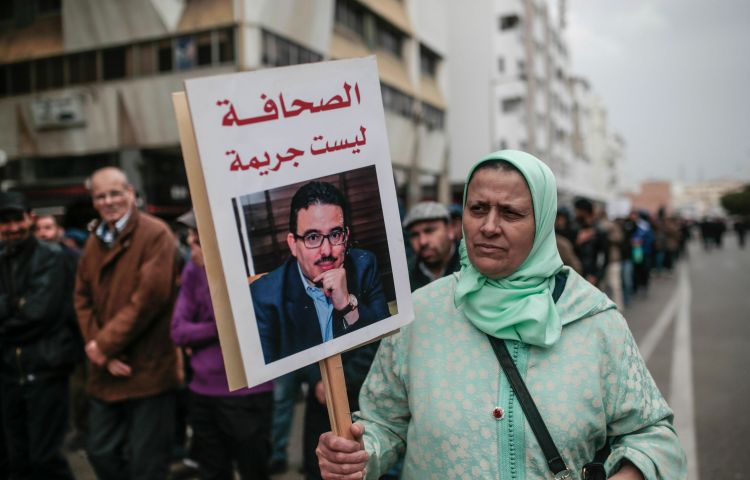
CPJ calls for Morocco to release journalist Taoufik Bouachrine 5 years after his arrest
CPJ has joined 41 other rights groups urging Moroccan authorities to immediately release journalist Taoufik Bouachrine, former editor-in-chief of local independent newspaper Akhbar al-Youm, on the fifth anniversary of his arrest in 2018. Bouachrine is serving a 15-year prison sentence on sexual assault charges that were brought in retaliation for his reporting. The joint statement…
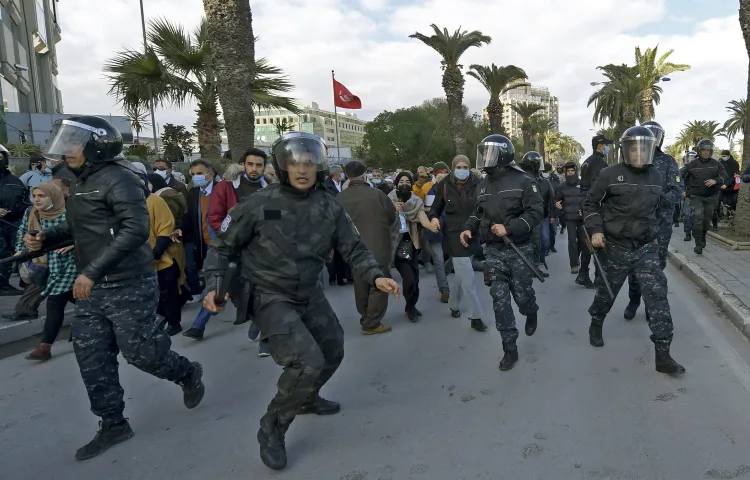
CPJ submits reports on Tunisia, Algeria, and Morocco to United Nations Universal Periodic Review
The human rights records of Tunisia, Algeria, and Morocco are under review by the United Nations Human Rights Council through the Universal Periodic Review (UPR). This U.N. mechanism is a peer-review process that surveys the human rights performance of member states, monitoring progress from previous review cycles, and presents a list of recommendations on how a…
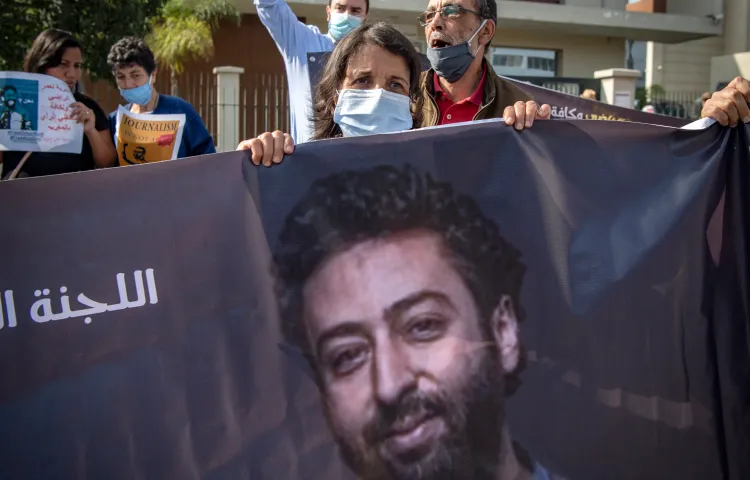
In Morocco, journalists – and their families – still struggle to cope with spyware fears
By CPJ MENA Staff Last July, when the Pegasus Project investigation revealed that imprisoned Moroccan journalist Soulaiman Raissouni was selected for surveillance by Israeli-made Pegasus spyware, the journalist could only laugh. “I was so sure,” his wife Kholoud Mokhtari said Raissouni told her from prison. Raissouni is one of seven local journalists named by the…
‘A high-profile action’: Lawyer Douglas Jacobson on what U.S. export restrictions could mean for Israel’s NSO Group
On November 3, the U.S. Department of Commerce announced it had imposed export controls on the Israeli NSO Group, saying the company “developed and supplied spyware to foreign governments that used these tools to maliciously target” journalists and others. The move represented a relatively new use for the Entity List for Malicious Cyber Activities, a…
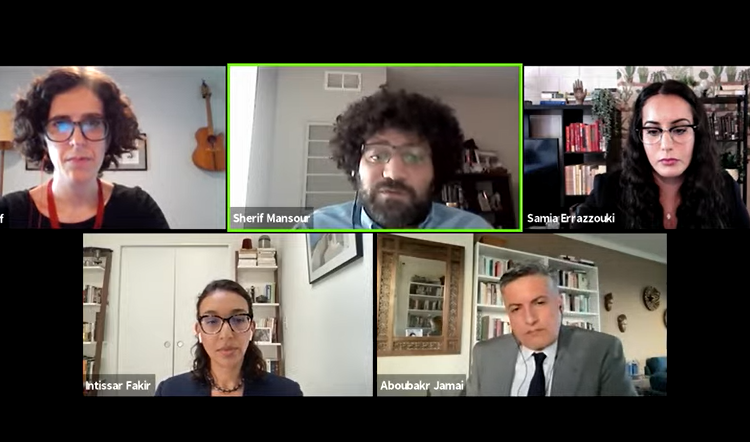
CPJ testifies to US Congress on threats to press freedom in Morocco
Today, at a hearing on “Human Rights and Freedom of Expression in Morocco” held by the Tom Lantos Human Rights Commission of the U.S. Congress, CPJ Middle East and Northern Africa Program Coordinator Sherif Mansour presented testimony on the threats to press freedom and journalists’ safety in Morocco. Mansour’s testimony focused on Morocco’s record of…
Pegasus Project revelations show added layer of risk for corruption reporters
Exposing those who abuse power for personal gain is a dangerous activity. Nearly 300 journalists killed for their work since CPJ started keeping records in 1992 covered corruption, either as their primary beat, or one of several. The risk was reaffirmed this month with the release of the Pegasus Project, collaborative reporting by 17 global…
CPJ joins call for Moroccan authorities to release journalist Omar Radi, ensure fair trial
Yesterday, CPJ and 14 other civil society groups urged Moroccan authorities to release Le Desk investigative reporter Omar Radi, who has been in pretrial detention since his arrest on July 29, 2020, and to ensure that he receives a fair trial. Radi’s trial on charges of sexual assault and undermining state security was set to begin today, but the main…
Morocco’s new tactic to punish journalists: charge them with sex crimes
Moroccan journalists Taoufik Bouachrine, Soulaiman Raissouni, and Omar Radi have a lot in common. All three have a nose for corruption, penning op-eds or investigations alleging government abuse. And all three have been charged with or sentenced to prison for sex crimes. Press freedom advocates and the journalists’ family members told CPJ that Moroccan authorities are using trumped up…
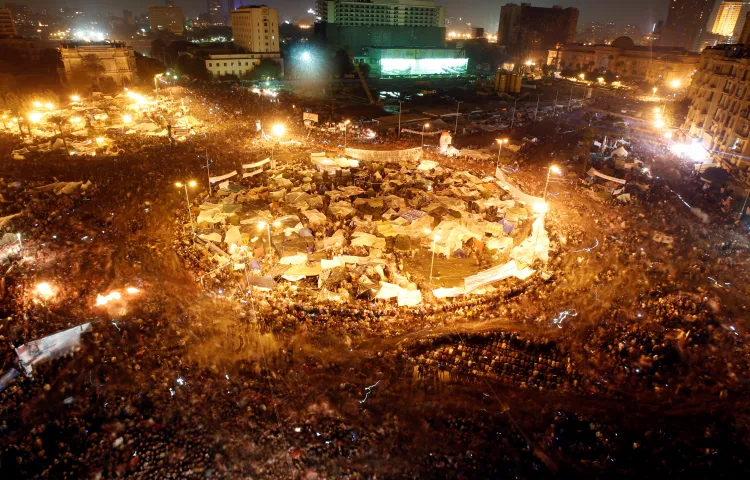
Ten years after the Arab Spring, the region’s media faces grave threats. Here are the top press freedom trends
In early February 2011, Alaa Abdelfattah was in Egypt’s Tahrir Square, documenting and participating in the nascent pro-democracy uprising that would topple the government and transform the country and the region. Today, he is in prison on anti-state and false news charges, which his family believes are partly retaliatory for his work. Abdelfattah is one of…
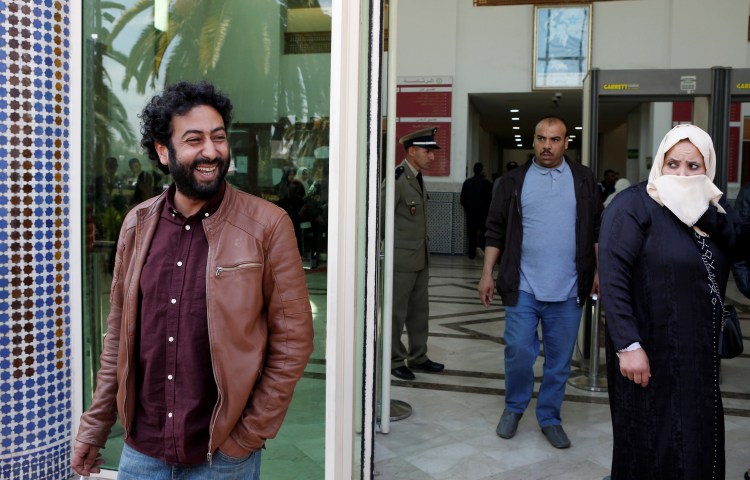
Bertha Foundation: Omar Radi’s arrest blocked Moroccan land rights exposé
The 10th time journalist Omar Radi was summoned by Moroccan police this summer, he was arrested on multiple charges including undermining state security and sexual assault, as CPJ documented in July. He was placed in solitary confinement in the Oukacha Prison in Casablanca to reduce the risk of exposure to COVID-19, and remained there as…