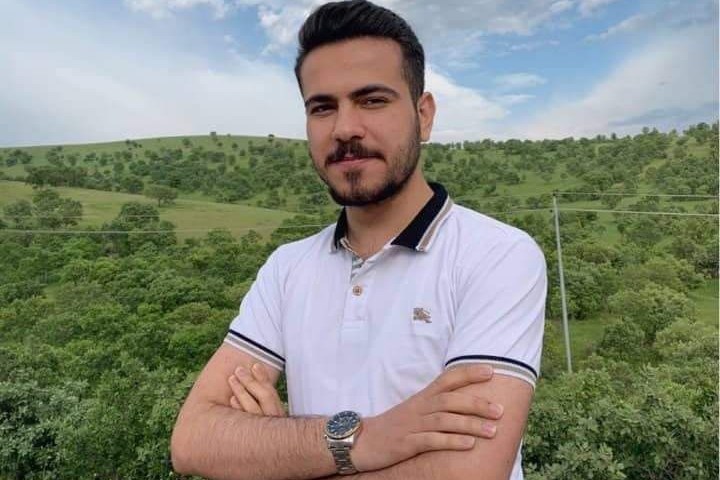
Iraqi Kurdish journalist Omed Baroshky: Press freedom ‘an illusion’ in the region
Freelance journalist Omed Baroshky spent 18 months in jail over social media posts that were critical of the authorities in Iraqi Kurdistan. One of four Iraqi Kurdish reporters listed in CPJ’s 2021 prison census, his incarceration marked yet another low point for a region that has seen a sharp deterioration in the environment for the…
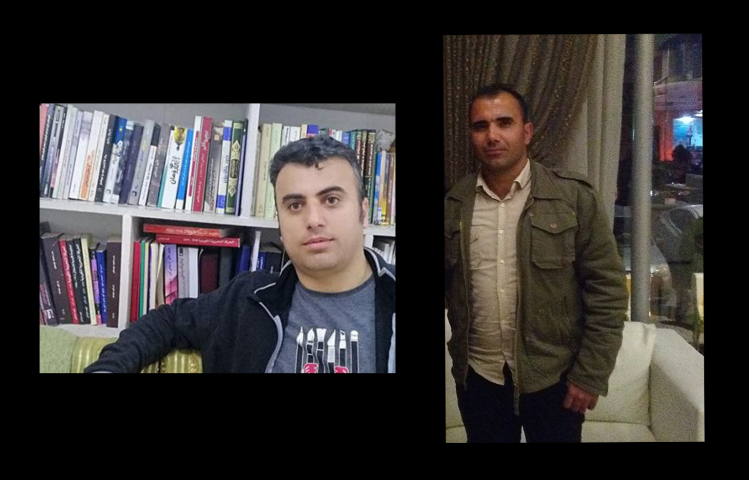
‘Spaghetti against the wall’: how flimsy evidence sent 2 Iraqi Kurdish journalists to jail for 6 years
The case against Iraqi Kurdish journalists Sherwan Amin Sherwani and Guhdar Zebari was built on flimsy and circumstantial evidence, five observers of the journalists’ Erbil trial last month told CPJ. Their six-year prison sentences on anti-state charges represent a new low for press freedom in Iraqi Kurdistan. According to rights groups representatives, journalists, and an Iraqi Kurdish…
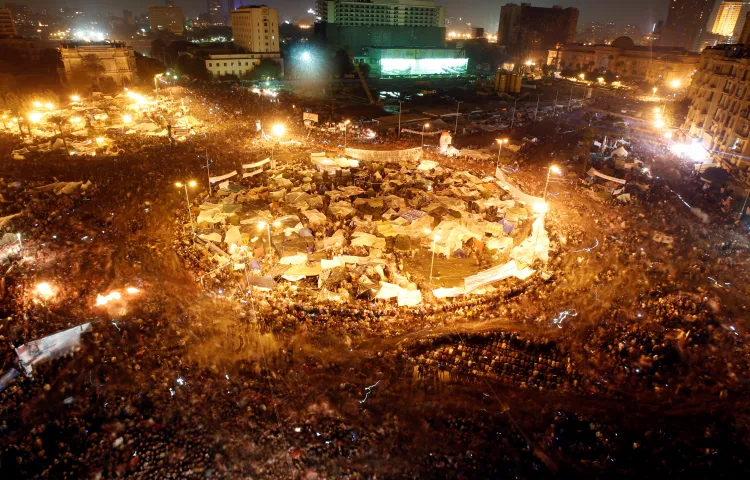
Ten years after the Arab Spring, the region’s media faces grave threats. Here are the top press freedom trends
In early February 2011, Alaa Abdelfattah was in Egypt’s Tahrir Square, documenting and participating in the nascent pro-democracy uprising that would topple the government and transform the country and the region. Today, he is in prison on anti-state and false news charges, which his family believes are partly retaliatory for his work. Abdelfattah is one of…
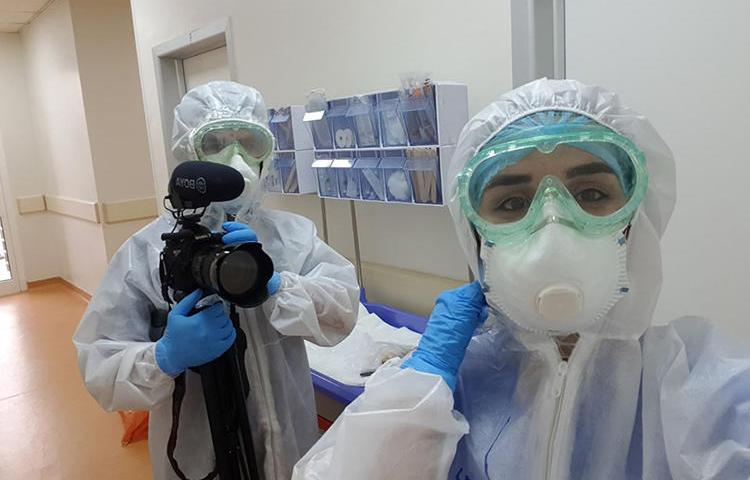
Journalists in Iraqi Kurdistan tell CPJ of obstruction and opportunities covering COVID-19
On May 10, Saman Barzinji, the health minister of the Iraqi Kurdistan regional government, announced that the COVID-19 pandemic no longer posed a threat to the region, and that the area would gradually reopen, according to news reports.
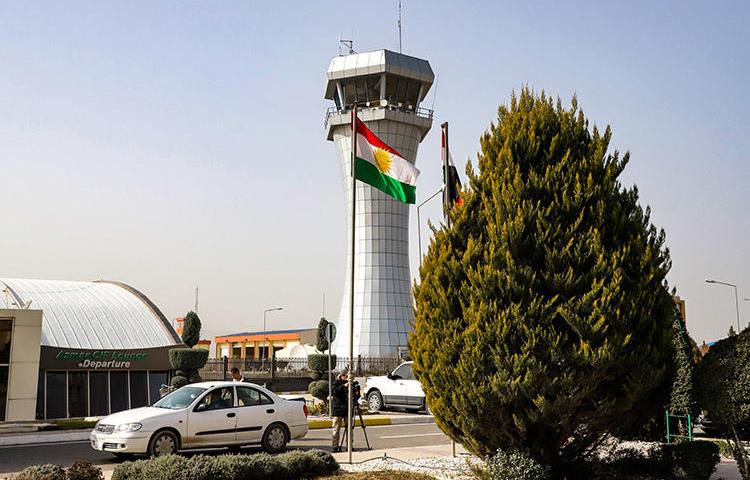
Press freedom on ‘brink of extinction’ in Iraqi Kurdistan, journalists say
“Ever since I started working as a journalist nine years ago, I have been under constant pressure from my family, my tribe, and my community to give up journalism. Friends have been asked by security forces to sever ties with me,” said freelance journalist Guhdar Zebari, when he met with CPJ in the empty lobby…

In Iraqi Kurdistan, journalists are victim of political tension
Mission journal: Journalists in Iraqi Kurdistan are under pressure from authorities in the autonomous northern Iraqi region, with news outlets shuttered and critical reporters arrested. With government formation talks underway, CPJ’s Middle East and North Africa representative Ignacio Miguel Delgado travels to Erbil, Sulaymaniyah and Duhok to hear from local journalists on how the partisan…
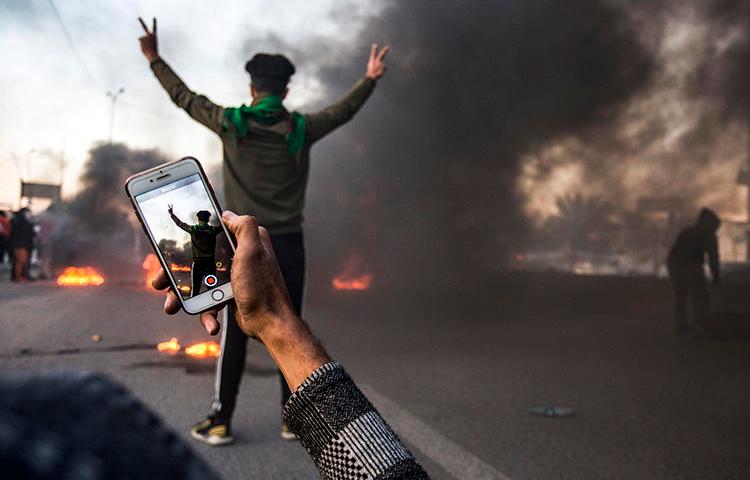

Islamic State recedes but threats to journalists in Iraq and Syria remain
After three years of fighting in Iraq and Syria, the militant group Islamic State has been forced out of large swathes of territory. But local journalists and press freedom groups with whom CPJ spoke said that the defeat of Islamic State doesn’t necessarily mean that journalists will be any safer.

For Mosul journalists, no work or safety in post-Islamic State Iraq
For nearly three years, Mosul journalist Mohammad Talal al-Nuaimi lived in constant fear of being discovered and killed. The seizure of Mosul by the militant group Islamic State, or IS, in early June 2014 and the subsequent targeting of local journalists had forced him into hiding. He was unable to do any media-related work under…
Infographic: Islamic State’s assault on the press
When Mosul fell to Islamic State on June, 10, 2014, it sparked one of the biggest attacks on press freedom in recent times. Newspapers were shuttered, TV channels were ransacked, radio stations disappeared from the airwaves, and dozens of journalists vanished. Within days, the militants had a monopoly on information output.