UK
2012

Awardees say indignation trumps intimidation
The battle for a free press sometimes feels like a war between indignation and intimidation. Journalists learn of abuses of power, crime, or corruption, and–indignant–they speak out. In response, the perpetrators of those abuses–be they government officials or criminals–try to intimidate the journalists into silence with threats, lawsuits, jail, or even murder. Last night, the…
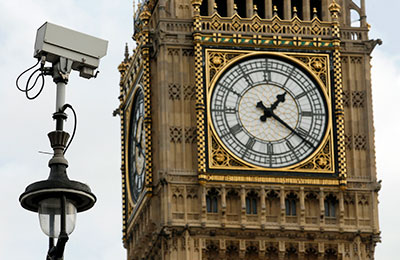
UK parliamentarians scrutinize digital surveillance plan
“The rules of the game have changed,” then-Prime Minister Tony Blair said after the July 7, 2005, terrorist attacks in London as he announced that the U.K. government would clamp down on terrorists “whatever it takes.” Now, the limits of such bold but vague intentions are on show as the draft Communications Data Bill undergoes…

London statement urges strong steps to protect journalists
More than 40 media organizations worldwide are demanding urgent action by governments, the United Nations, and the industry to stop violence against journalists and end impunity in attacks on the press. They made their position known in a joint statement delivered today to the U.N. Educational, Scientific, and Cultural Organization (UNESCO).

As it backs Assange, Ecuador stifles expression at home
The Quito government’s decision to grant Julian Assange political asylum comes at a time when freedom of expression is under siege in Ecuador. President Rafael Correa’s press freedom record is among the very worst in the Americas, and providing asylum to the WikiLeaks founder won’t change the repressive conditions facing Ecuadoran journalists who want to…
Viewing the London Olympics coverage from China
Chinese propaganda officials must be thrilled that they’re not responsible for the Olympics coverage in the British papers. Back during the Beijing Games, they worked hard to censor unrest and dissatisfaction in the domestic media. Reports of China’s press freedom and human rights abuses were blocked, the kind of information control idiomatically referred to as…
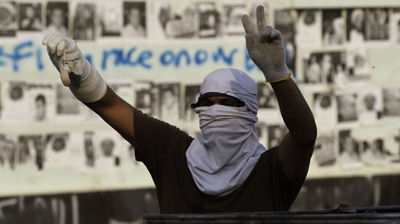
For journalists, danger lurking in your email
This week, Morgan Marquis-Boire and Bill Marczak of the University of Toronto’s Citizen Lab provided a disturbing look into the likely use of a commercial surveillance program, FinFisher, to remotely invade and control the computers of Bahraini activists. After the software installs itself onto unsuspecting users’ computer, it can record and relay emails, screenshots, and…
The New York Times takes on China’s censors
Well, that didn’t take long. Just days after The New York Times’ soft launch of its Chinese-language edition and accompanying microblog accounts, Berkeley-based China Digital Times website reports that the @nytchinese Sina Weibo feed is no longer accessible in China, along with two accounts hosted by Netease and Sohu. We couldn’t pull them up this…
Greek far-right party casts shadow on Europe press freedom
The celebration Tuesday of the 50th anniversary of the Association of European Journalists (AEJ) should have been a joyful and lighthearted affair. Dozens of journalists from all parts of the European Union had traveled to Brussels to share memories, new projects, champagne, and petits fours.