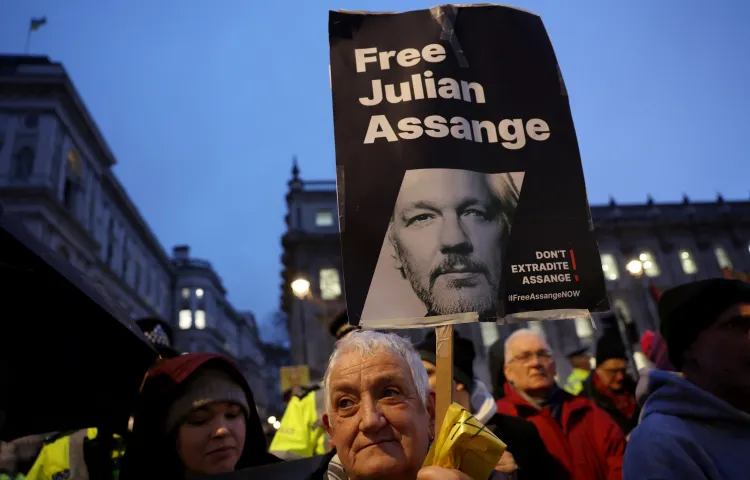
Why extradition of WikiLeaks’ Julian Assange to US would be cataclysmic for press freedom
The Australian founder of the website WikiLeaks, Julian Assange, has been fighting extradition to the U.S. from the U.K. since 2019 on charges that could strike a blow to press freedom globally. Here is CPJ’s briefing on the legal battle to extradite Assange, the charges he would face in the U.S., and why his prosecution…
‘Network abuse’: Attacks on 3 media sites involved services of US, UK firms
Cyberattackers used services of technology companies based in the U.S. and U.K. to target media sites from Somalia, Kosovo, and Turkmenistan, Qurium, a nonprofit hosting the sites, said Tuesday. Earlier this month, CPJ reported on how cyberattackers used a Nebraska company, RayoByte, in attempts to knock those same media sites offline, as well as at…
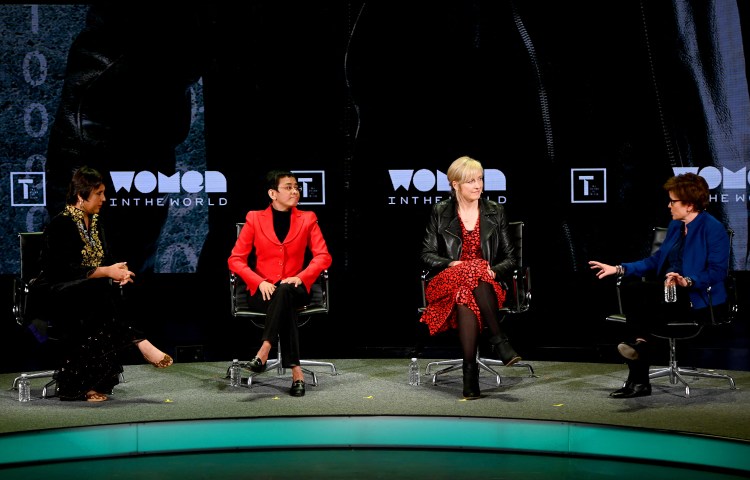
CPJ, press freedom groups express support for Guardian journalist Carole Cadwalladr following libel verdict
The Committee to Protect Journalists and 12 other international press freedom organizations reiterated their support on Wednesday for journalist Carole Cadwalladr after the U.K. Court of Appeal ruled in a libel lawsuit against her on February 28. Cadwalladr reports for the Guardian newspaper and its Sunday sister paper, the Observer. Millionaire businessman and political donor…
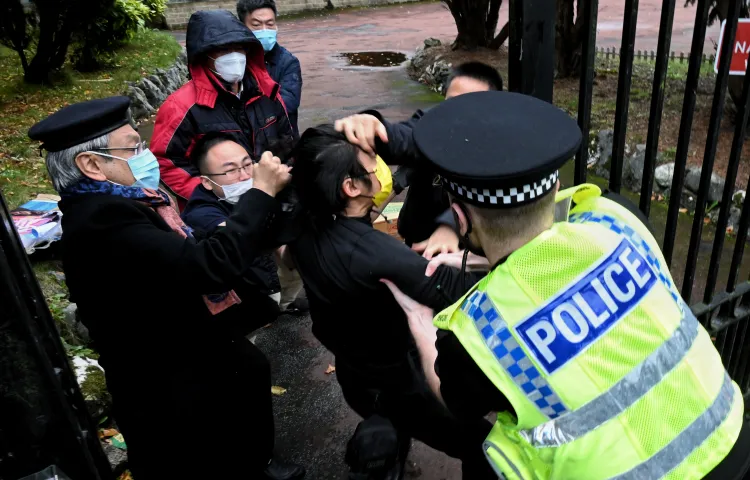
‘Don’t give up’: After fleeing overseas, Hong Kong journalists fight on
When Hong Kong journalist Matthew Leung covered a small protest in the northern English city of Manchester last October, little did he know it would become one of the biggest stories in his career—and unleash a diplomatic storm between China and Britain. His photographs, showing a group of men beating a Hong Kong pro-democracy protester…
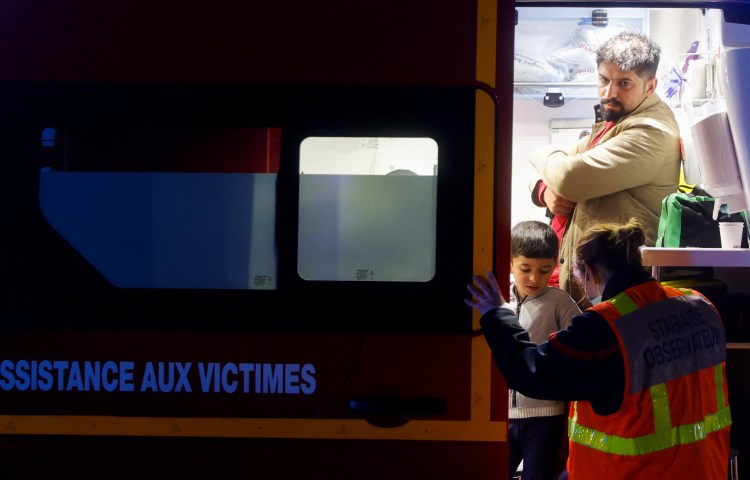
How UK Online Safety Bill threatens encryption, secure communication, and reporting on migration
Does the image above, depicting the rescue of a child who attempted to reach the U.K. by sea, present the act of immigration in “a positive light”? It’s an absurd question, of course. It’s journalism – an effort to convey in visual terms the stark truth that tens of thousands of migrants and asylum-seekers try to get…

How social media regulation could affect the press
The United Kingdom moved a step closer to regulating social media in December when a parliamentary committee recommended major changes to the country’s Online Safety Bill so as to hold internet service providers responsible for material published on their platforms. “We need to call time on the Wild West online,” said committee chair Damian Collins….
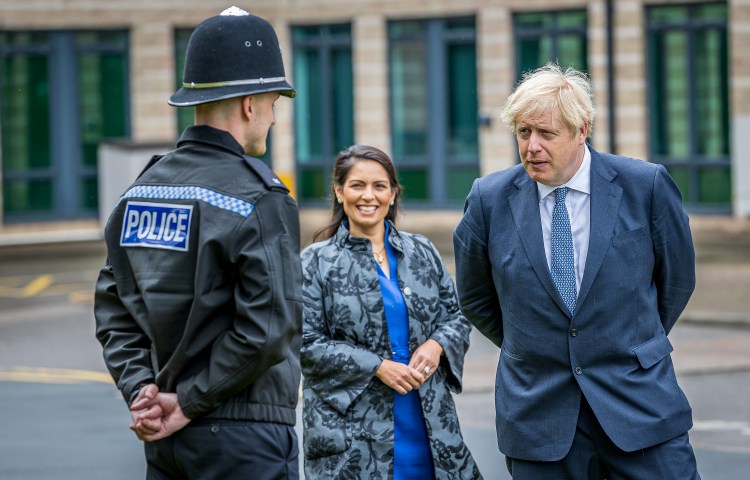
UK online safety bill raises censorship concerns and questions on future of encryption
The U.K. government emphasized press freedom this month when it published the draft online safety bill for social media companies, pledging that the bill would protect both “citizen journalism” and “recognized news publishers” from censorship. Vocal segments of the media not only welcomed the legislation, but actively campaigned for it. When Oliver Dowden, secretary of…
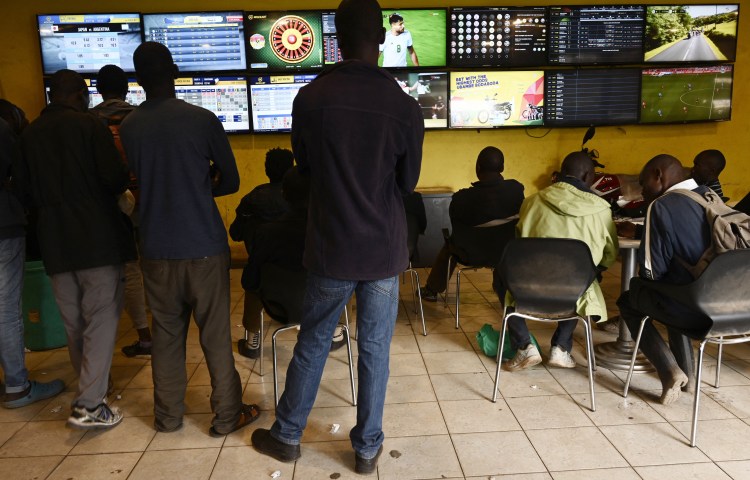
How U.S. copyright law and fake Gmail accounts were used to censor a report on gambling in Kenya
On February 4, Emmanuel Dogbevi turned to Twitter with a plea for help. He tagged press freedom groups and colleagues in a series of tweets, lamenting how allegations that he violated U.S. copyright law had prompted his news website to be taken offline. Dogbevi told CPJ via phone that Ghana Business News, the Ghana-based website he edits,…
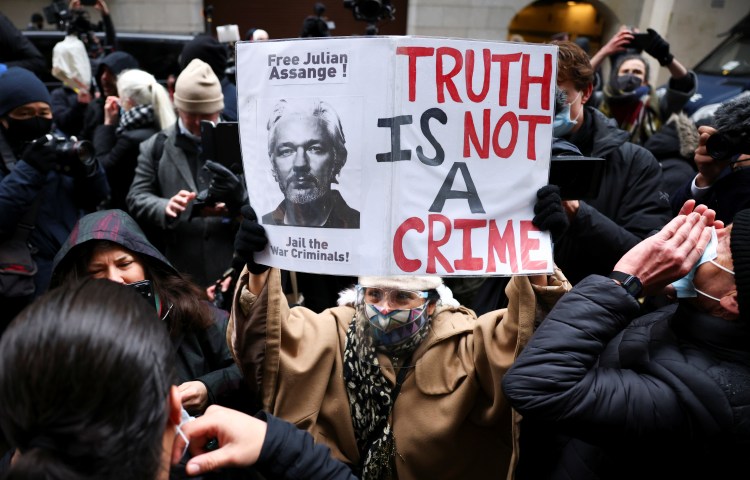
A positive step for Julian Assange but a blow to press freedom
A London court’s decision this week not to extradite WikiLeaks founder Julian Assange to the United States imperils press freedom even as it benefits Assange. In her January 4 decision, Judge Vanessa Baraister ruled that Assange would be at risk of suicide should he be extradited to the U.S. to face criminal prosecution, including on espionage…
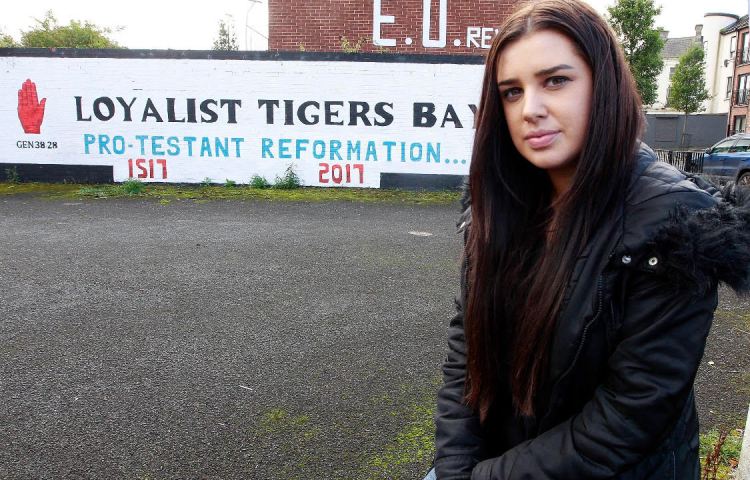
Journalist Patricia Devlin on working in Northern Ireland: ‘I feel vulnerable and I feel threatened’
Over the past two years, crime and paramilitary and sectarian attacks have risen in Northern Ireland, fueled by economic stagnation, a power vacuum in the regional government, and the fallout from Brexit, according to news reports. In this climate, journalists are also increasingly at risk: freelance reporter Lyra McKee was killed in April 2019, and…