Turkey
2013
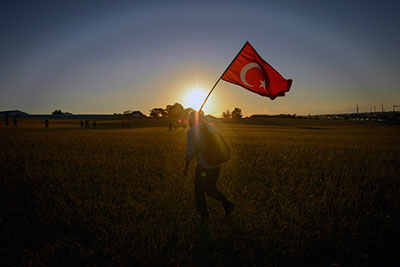
Turkey–world’s top press jailer once more
For the second year in a row, our prison census shows, Turkey jailed more journalists than any other country. The number of journalists behind bars is 40; down from the 61 reporters in October 2012, and less than the 49 we recorded on December 1, 2012. Still, Turkey holds more journalists in custody than Iran,…
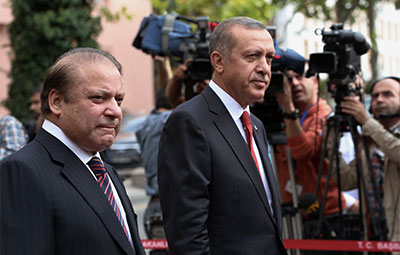
Mission Journal: Why Turkey matters
Turkey is hardly a press freedom paradise, but what makes the country so exciting for journalists is the amount of news it generates on any given day. The domestic story is huge, with near-daily street protests, the booming economy beginning to sag, and the prospect of regional conflict looming with Syria. And Istanbul is a…
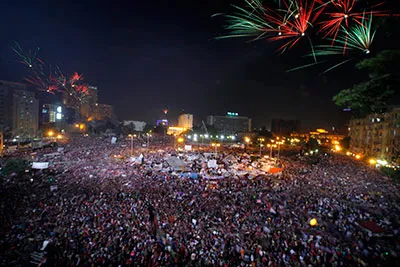
Attacks in Egypt highlight risk of covering protests
From São Paulo to Istanbul to Cairo, coverage of street demonstrations has re-emerged as an exceptionally dangerous assignment for journalists. Since June 1, CPJ has documented more than 120 attacks on the press amid the civil unrest in Brazil, Turkey, and Egypt–the biggest surge of attacks in such circumstances since the uprisings that swept the Arab world…
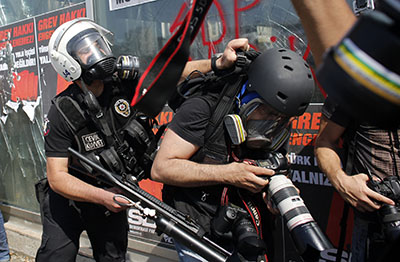
Danger on Turkey’s streets: Reporting on the civil unrest
It all changed so swiftly. The demand and price of gas masks, protective eyewear, and helmets rocketed in Istanbul. Not only protestors, but journalists, too, contributed to the rush. Hardware store clerks were quick studies, explaining to journalists which masks offer you a better line of sight when taking pictures, and describing the problem of…

For Turkish media, Taksim story reveals flaws, threats
The coverage of the Taksim Square protests will not be remembered as a moment of glory for a number of Turkish mainstream media. While demonstrators were being tear-gassed and beaten by police a week ago, CNN Türk was airing a documentary on penguins and Habertürk had a debate on mental illness.
Hrant Dink murder to be retried, but concerns remain
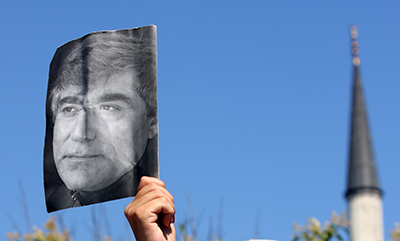
A decision last week in the murder case of Hrant Dink will lead to a retrial, but Dink’s supporters are still not satisfied. The ruling on May 15 by Turkey’s Supreme Court of Appeals in Ankara acknowledged that there was a criminal conspiracy to murder the ethnic Armenian journalist, but stopped short of opening the…
News blackout deepens Turkey press freedom doubts
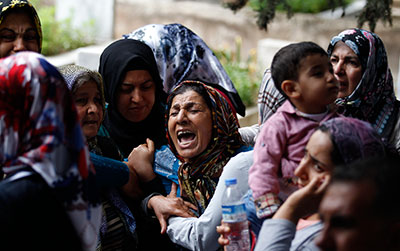
When twin car bombs shook the district of Reyhanli in Turkey’s southeastern province of Hatay near the Syrian border last Saturday, killing at least 51 people and wounding dozens of others, a local court issued a gag order on all news coverage of the attack. The ban was unprecedented in scope and in the way…
Turkey’s press freedom must be on Obama-Erdoğan agenda
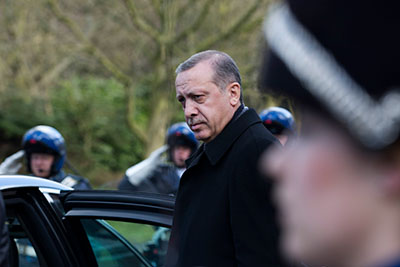
When President Obama meets with Turkish Prime Minister Recep Tayyp Erdoğan today, he needs to deliver the message that Turkey’s failure to improve its record on press freedom is eroding the country’s strategic relationship with the United States and sabotaging its regional leadership ambitions, CPJ’s executive director, Joel Simon, and Reporters Without Borders’ director general,…
Turkey peace talks positive; press freedom still in peril
Today, hope for peace between the government of Turkey and Kurdish rebels is closer than ever to becoming reality. A resolution to the conflict, after more than 30 years, could have ramifications for Turkey’s standing as the world’s worst jailer of journalists. According to CPJ research, three-quarters of the journalists imprisoned in Turkey are from…
In letter from Turkish jail, journalist describes ordeal
In a letter she passed from Gebze women’s prison outside Istanbul, Fusün Erdoğan, founder and director of the leftist broadcaster Özgür Radyo, details circumstances of her arrest, imprisonment, and politicized criminal charges. Erdoğan founded the broadcaster in 1995, and worked as its director until September 8, 2006–the day when plainclothes police agents detained her in…