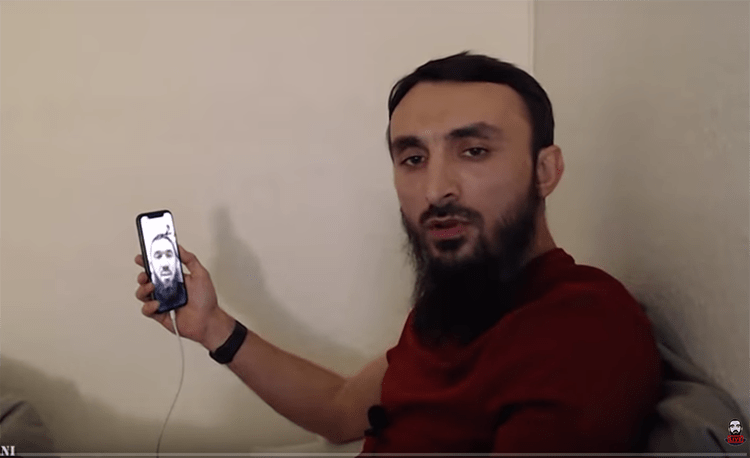
Chechen blogger and government critic Tumso Abdurakhmanov: ‘I am constantly at risk’
Tumso Abdurakhmanov, a prominent blogger critical of the Chechen authorities, survived a violent assault in his home in Swedish town of Gävle on February 26, 2020. Two Russian nationals have been arrested in connection with the attack, according to a report by Agence France-Presse. CPJ documented the incident and spoke to the blogger after his…

EU underscores support of free expression, but slights access to information
A new document on freedom of expression and opinion, adopted May 12 by the 28 foreign ministers of the European Union, presses nearly all the right buttons. Drawing its inspiration from international human rights norms as well as from the EU’s treaties and its charter of fundamental rights, the document reaffirms the role of freedom…

As it backs Assange, Ecuador stifles expression at home
The Quito government’s decision to grant Julian Assange political asylum comes at a time when freedom of expression is under siege in Ecuador. President Rafael Correa’s press freedom record is among the very worst in the Americas, and providing asylum to the WikiLeaks founder won’t change the repressive conditions facing Ecuadoran journalists who want to…
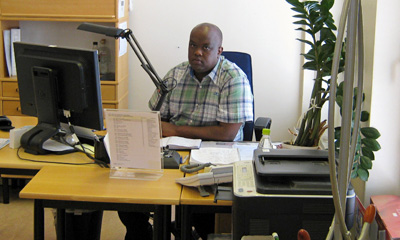
Rwandan exiled journalist comes out of hiding
I must have received at least a dozen communications from worried friends and colleagues, asking the whereabouts of the chief editor of the highly critical Rwandan website, Umuvugizi. By mid-January, no one had heard from John Bosco Gasasira, nothing new had been published on Umuvugizi since January 11, and his cell phones were switched off.…
Protecting yourself from denial-of-service attacks
It’s my second link to a report by Hal Roberts (and others at the Berkman Center) in as many days, but I worry that this this detailed document on denial-of-service (DOS) and hacking attacks on independent media and human rights groups might get missed in the holiday season. The news headlines in the last few…
Internet Blotter
Egyptian blogger Karim Amer is finally free after four years in prison. Iran launches yet another police force to deal with the Internet, headquartered with the Revolutionary Guard. Its commander says the state plans to quadruple its Internet control budget. Google lobbies U.S. policymakers to consider online censorship a free trade issue. Is breaking into…
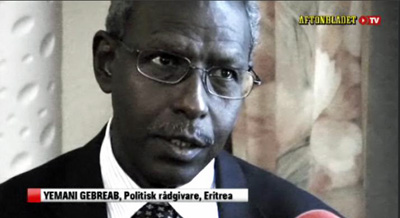
Eritrean official says jailed journalists were security threat
Since a week after September 11, 2001, when the government of Eritrea threw into secret prisons journalists from its once-vibrant private press, the only certainty it has offered about the fate of the prisoners has been ambiguity. Over the years, officials have offered various explanations for the arrests—from nebulous anti-state conspiracies involving foreign intelligence to press law violations. They have…
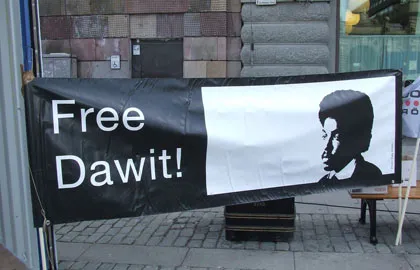
Reluctant activist: A brother’s struggle to free Dawit Isaac
In 2001, Eritrean security forces imprisoned Eritrean-Swedish journalist Dawit Isaac along with nine other journalists without trial in September 2001. The arrests effectively shut down the nation’s fledgling independent press and any potential political dissent prior to scheduled December 2001 elections, which were subsequently cancelled. To this day, Dawit is believed to be held incommunicado…