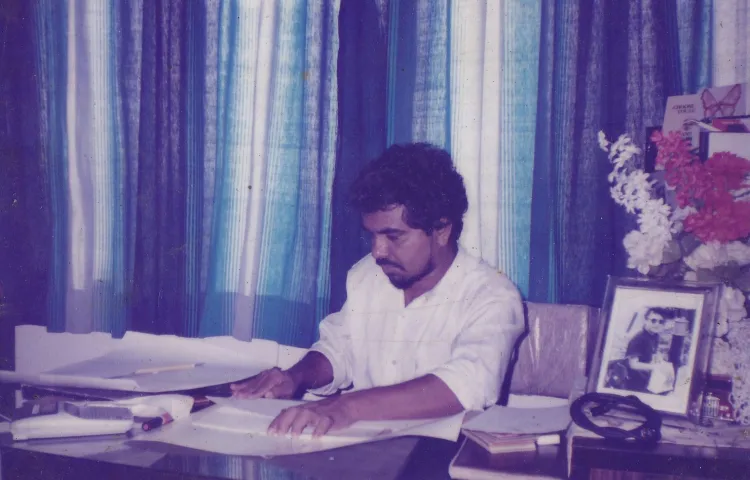
14 years on, wife of missing Sri Lankan journalist Prageeth Ekneligoda fights for justice
“I don’t know how long it will take, but I will get justice for my Prageeth,” Sandya Ekneligoda, wife of abducted Sri Lankan journalist and government critic Prageeth Ekneligoda, told CPJ via video call. It has been 14 years since Prageeth’s disappearance. Prageeth, a then 50-year-old cartoonist and columnist for the news website Lanka e…
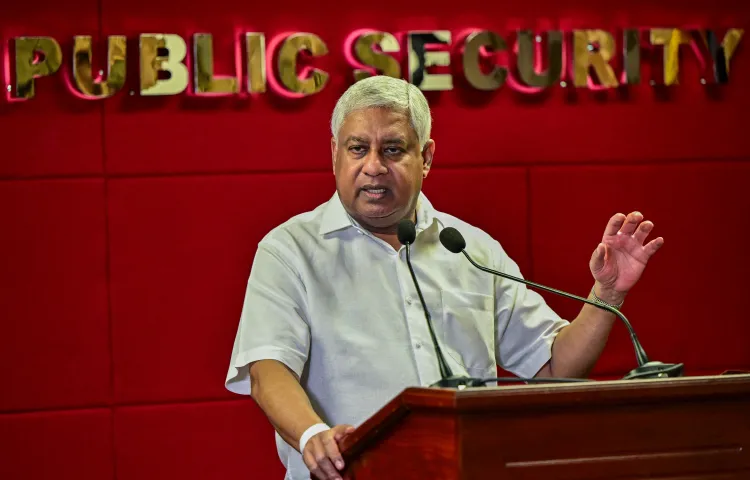
CPJ joins partners in calling on Sri Lanka to withdraw proposed Online Safety Bill
The Committee to Protect Journalists (CPJ) joined 58 organizations on Friday in calling on Sri Lankan Minister for Public Security Tiran Alles to withdraw the proposed Online Safety Bill and conduct sustained multi-stakeholder consultations, including with civil society and human rights experts. The latest version of the bill empowers a five-member commission appointed by the…
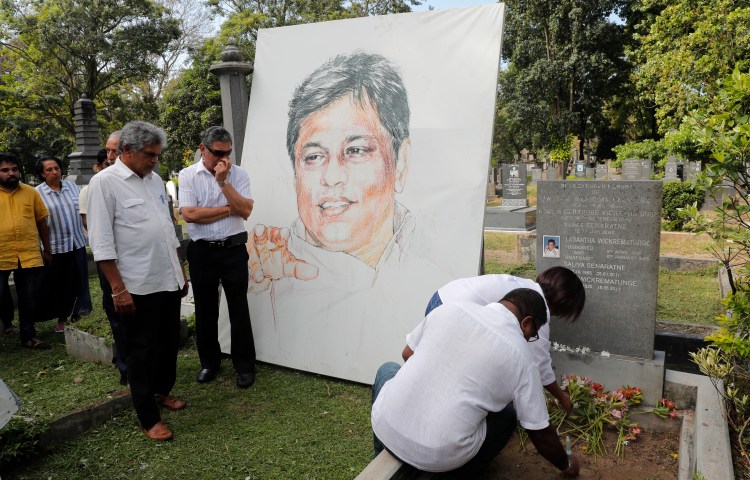
New details raise questions about whether Sri Lankan president was complicit in the killing of journalist Lasantha Wickrematunge
Nishantha Silva is obsessed with details. The missing notebook. The unusual telephone number. The motorcycle tossed into a lake and the person who knew exactly where to find it. Those details and others are the pointillist dots of color that Silva, formerly a detective with Sri Lanka’s Criminal Investigation Department, has assembled into a vivid…
CPJ joins call for accountability in attacks on journalists in Sri Lanka
The Committee to Protect Journalists joins the Center for Justice and Accountability in calling on the United Nations Human Rights Council to take action against impunity in attacks on journalists in Sri Lanka. In a report released today, the Center for Justice and Accountability, with support from CPJ, outlined the Sri Lankan government’s systematic and…
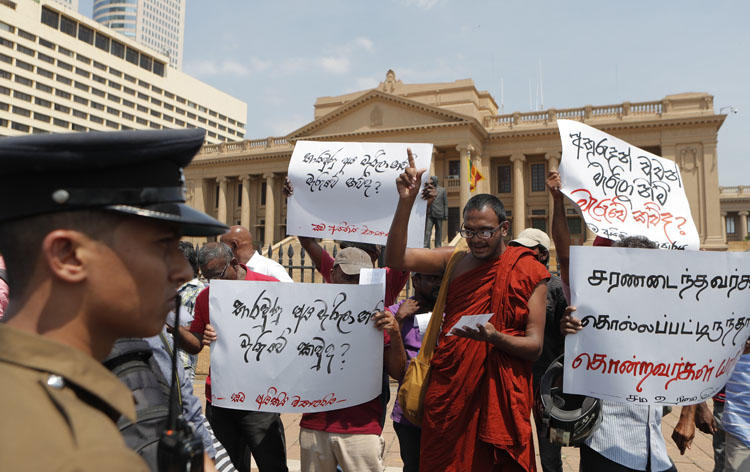
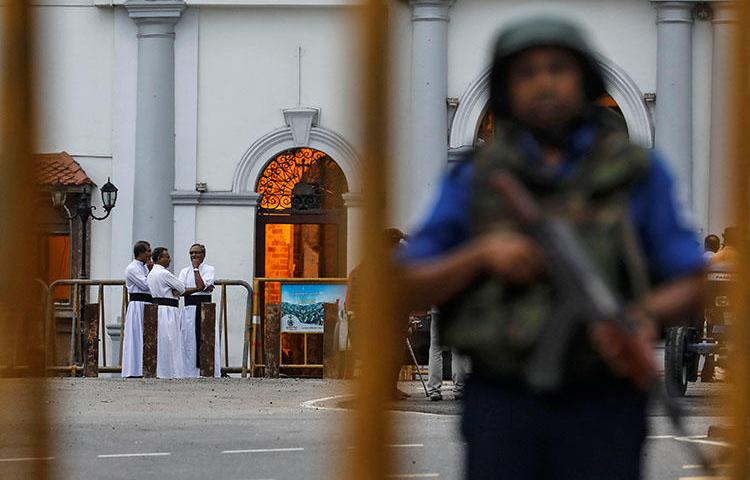
Social media still blocked in Sri Lanka following terror attack
Several social media sites remained blocked in Sri Lanka today, according to NetBlocks, an independent, international civil society group that monitors internet censorship. Sri Lankan authorities blocked the sites, along with several messaging apps, throughout the country on April 21, following a terrorist attack that left more than 253 people dead, according to international news…

Lots of talk but little progress in Sri Lanka over journalist murders
It was the police line-up from hell. Forget all those “Law and Order” scenes where a victim stands anonymously behind a one-way mirror. Sri Lankan journalist Namal Perera had to stand eyeball-to-eyeball with 42 army intelligence officers in April, each of whom, Perera explained to me while demonstrating his fiercest tough-guy glare, faced him with…
Sri Lankan journalist Freddy Gamage back in hospital, still under threat
Back on June 3, we called for “a thorough investigation into an attack” on Freddy Gamage, a muckraking editor and blogger for Meepura.com (and in Sinhala). At the time, the government promised on its official website that it “would never again allow media suppression, which prevailed during the past, to reoccur.” Prime Mister Ranil Wickremesinghe…
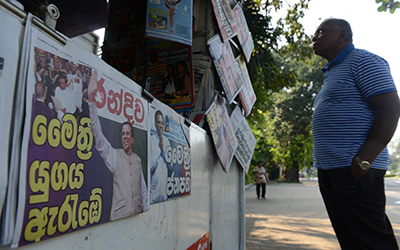
How Sri Lanka’s new president can ease decade of repressive press measures
The stunning defeat of Sri Lanka’s incumbent president Mahinda Rajapaksa by challenger Maithripala Sirisena on Friday has given way to questions about what changes, if any, will come for press freedom in a country that had grown deeply repressive under the previous leadership.
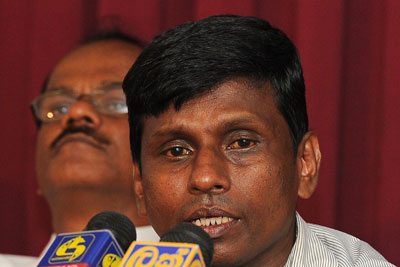
In Sri Lanka crackdown, mobs and death threats turned on journalists
There is genuine cause for alarm about the anonymous death threats going to Sunil Jayasekara’s phone. They started streaming to Jayasekara, the convener of Sri Lanka’s Free Media Movement, an umbrella group (hence calling the leader a convener) of journalists’ organization in Sri Lanka, just before an FMM press conference on Saturday in Colombo.