China
2012
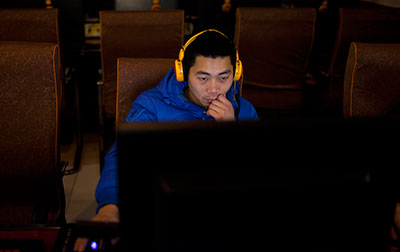
China’s name registration will only aid cybercriminals
China’s mounting crackdown on online news dissemination took an extra step today, when the country’s Standing Committee of the National People’s Congress, its de facto legislative body, announced new requirements on Internet service providers and mobile phone companies to identify their users. The new rules would potentially allow ISPs and the authorities to more closely…
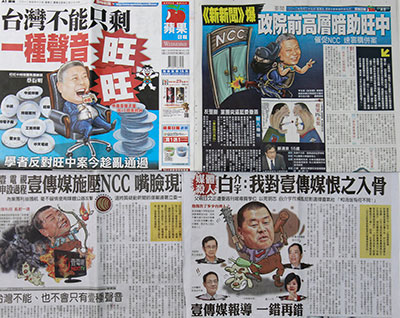
Taiwanese media sale could threaten press freedom
A media buyout in Taiwan which would put independent news outlets critical of China into the hands of a pro-Beijing media tycoon is cause for concern for the island’s press. Jimmy Lai, the outspoken mogul behind Hong Kong-based Next Media and the Apple Daily tabloid, is selling his Taiwan holdings to a group of businessmen…
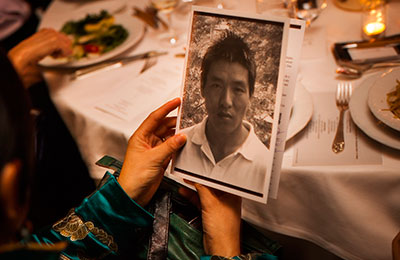
Nearly 20,000 call to free Kyrgyz, Tibetan journalists
“I remain hopeful that I will one day see the sun once more–not through the barred window of my prison cell but as a free man.” -Azimjon Askarov Today, on International Human Rights Day, CPJ and close to 20,000 supporters are calling on the governments of China and Kyrgyzstan to release two journalists imprisoned for…
Confusion grows around missing Tibetan monk filmmaker
Not unusually, an already confusing situation in Tibet just got worse. Twenty-seven Tibetans have self-immolated in protest against Chinese this month alone, according to Human Rights Watch. That’s almost one a day. Against this chaotic backdrop, Chinese authorities have issued an arrest order for a missing monk who helped film a 2008 documentary about life…

Awardees say indignation trumps intimidation
The battle for a free press sometimes feels like a war between indignation and intimidation. Journalists learn of abuses of power, crime, or corruption, and–indignant–they speak out. In response, the perpetrators of those abuses–be they government officials or criminals–try to intimidate the journalists into silence with threats, lawsuits, jail, or even murder. Last night, the…
What China’s new leadership means for press freedom
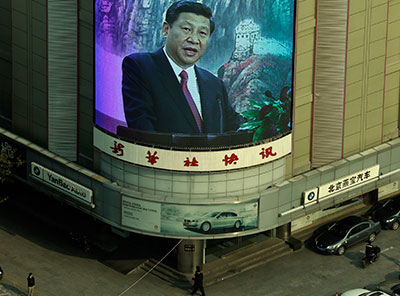
Like many China watchers, we at CPJ have been struggling to interpret obscure floor markings and tie colors on display in Beijing as new Communist Party leaders were appointed in a rare leadership hand-off today. The names of the top seven are no longer in doubt. But the real question everyone’s asking is: What does…
In China, kids ask the tough questions at Party Congress
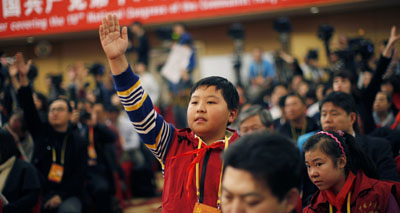
When a nation’s most outspoken journalists are 11-year-olds, is it a good sign for the future? On the one hand, they might grow up to ask probing questions. On the other hand, they might end up following the path taken by their older peers and stick to scripted exchanges.
China’s Xi Jinping unseen, unsearchable
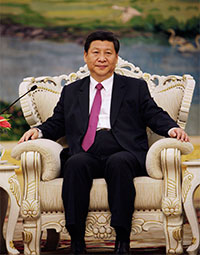
It was only a matter of time before Chinese Vice President Xi Jinping’s physical absence from the public view was accompanied by his disappearance from cyberspace. The characters “Jinping” from his name were censored today from searches of Sina’s microblog service Weibo, according to the Fei Chang Dao blog. Where else but China does a…
Thorning’s chance to press China for media freedom
Denmark’s Prime Minister Helle Thorning-Schmidt is in China this week to meet with top leaders, according to international news reports. CPJ’s Advocacy and Communications Associate Magnus Ag and Senior Asia Program Researcher Madeline Earp co-wrote an op-ed calling on Thorning–as she is called in the Danish press–to raise the issue of press freedom. An edited…