Faces of impunity across the world
CPJ’s 2023 Global Impunity Index lists the top 12 countries where the murderers of journalists go free. But impunity knows no borders. The mosaic below shows the faces of slain journalists around the world. Beneath each journalist’s photo is the location of their death. Click the images for more details about these unsolved cases. (Photo grid by Geoff McGhee)
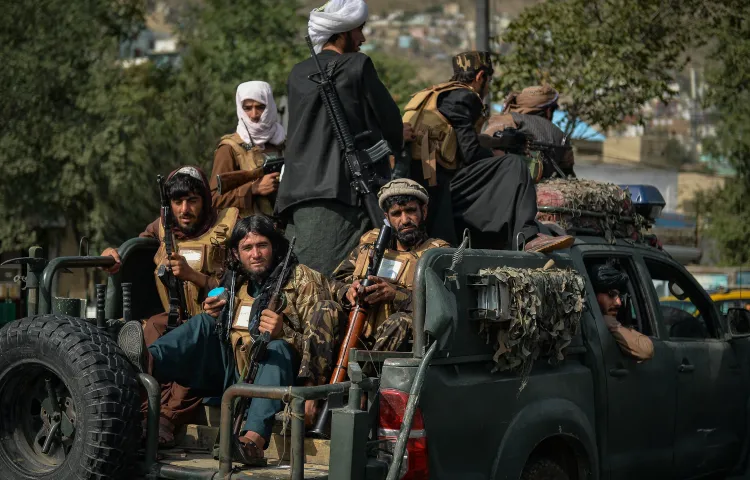
Two years into Taliban rule, media repression worsens in Afghanistan
When the Taliban retook control of Afghanistan in 2021, they promised to protect press freedom and women’s rights – a key facet of their efforts to paint a picture of moderation compared to their oppressive rule in the late 1990s. “We are committed to the media within our cultural frameworks. Private media can continue to…
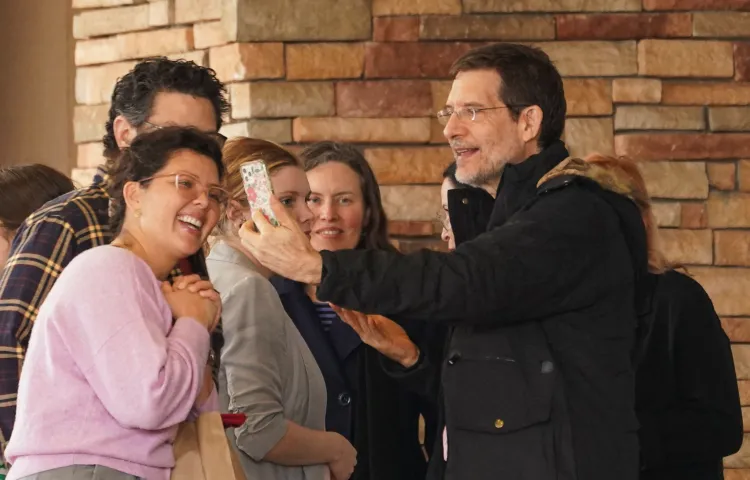
CPJ’s support to exiled journalists jumped 227% in 3 years, reflecting global press freedom crisis
Keep closely connected to your homeland and don’t despair: that is advice Syrian journalist Okba Mohammad said he would offer to Afghan journalists who fled after the August 2021 Taliban takeover. Mohammad knows firsthand the challenges of exile. In 2019, he made a new life in Spain after fleeing the Syrian civil war with CPJ’s…

‘Living in fear’: Exiled Afghan journalists face arrest, hunger in Pakistan
Stuck with no income for more than a year after fleeing Afghanistan for Pakistan, Samiullah Jahesh was ready to sell his kidney to put food on the table for his family. “I had no other option, I had no money or food at home,” Jahesh, a former journalist with Afghanistan’s independent Ariana News TV channel,…
CPJ’s recommendations for protecting journalists and press freedom in Afghanistan
The Committee to Protect Journalists makes the following recommendations to facilitate media freedom and ensure the safety of journalists in Afghanistan: To the Taliban, the de facto authorities in Afghanistan 1. Respect and guarantee the ability of all journalists and media workers to report and produce news freely and independently, without fear of reprisal, in…
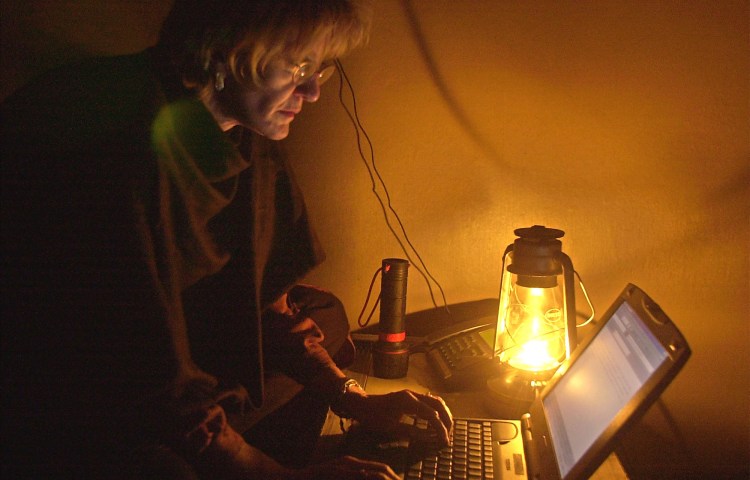
Kathy Gannon: Courageous journalism is happening in Afghanistan. We can help.
Journalism in today’s Afghanistan is certainly wounded, but it’s far from dead. The evidence is produced daily, even hourly: This is not journalism as it was before the Taliban took power last August, but it is journalism. It demands our respect and support. Sounding the death knell on journalism in Afghanistan is an insult to…
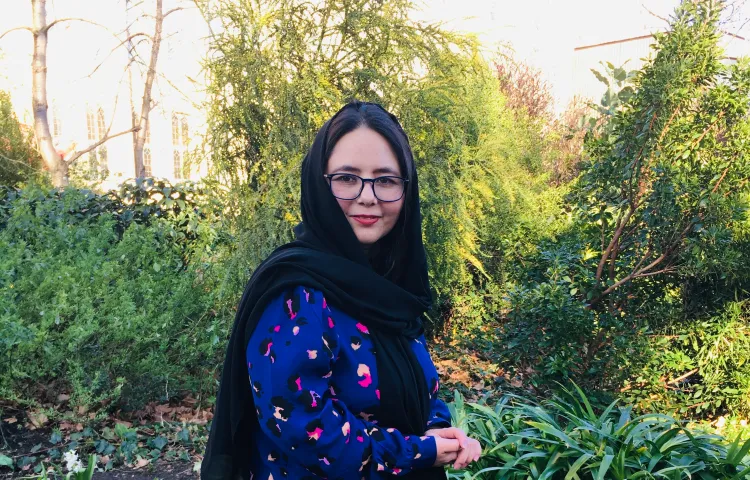
‘I thought about the efforts and struggles of two decades… and cried’
The founder of a news agency dedicated to covering the lives and concerns of Afghan women on how female journalists are still reporting the news In November 2020, I decided to create an Afghan news agency run by and for women—an online news service that would counter the prevailing patriarchal norms of Afghanistan. The news…
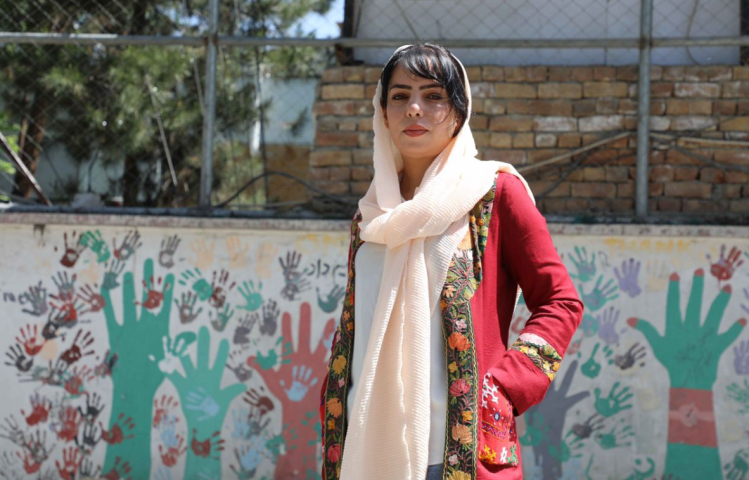
Keeping hope alive
Afghan journalists in exile continue reporting despite an uncertain future “I lost my family, my job, my identity, and my country,” Afghan journalist Anisa Shaheed told CPJ in a phone interview. A former Kabul-based reporter for TOLONews, Afghanistan’s largest local broadcaster, Shaheed is one of hundreds of journalists who fled Afghanistan following the Taliban takeover…
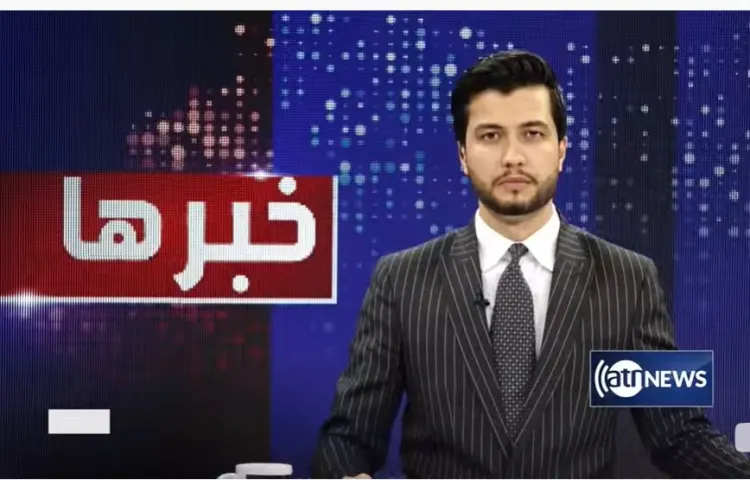
Inside an Afghan news network’s struggle to survive
Threats, insults, beatings, and censorship: Former Ariana News staffers detail dire challenges during a year under Taliban control For veteran journalist Sharif Hassanyar, the final breaking point came in September last year. The Taliban had ousted the elected government of Afghanistan President Ashraf Ghani almost a month earlier, and the last American soldiers had since…
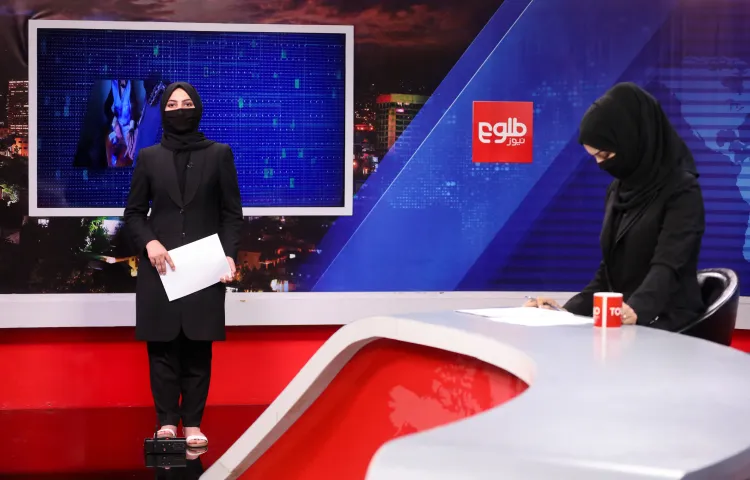
Afghanistan’s media faces crisis—and opportunity
Twelve months after the Taliban takeover, many Afghan journalists are out of work or on the run. Others try, very carefully, to challenge the powerful. The extreme distress that has gripped Afghanistan’s independent media since the Taliban seized power in Kabul on August 15 last year lands in my inbox—and the inboxes of many of…