
Indian journalists’ 2024 election concerns: political violence, trolling, device hacking
As the scorching summer peaks this year, India’s political landscape is coming to a boil. From April 19 until June 1, the world’s biggest democracy will hold the world’s biggest election, which the Hindu nationalist Bharatiya Janata Party (BJP) of Prime Minister Narendra Modi, who has been in power since 2014, is expected to win….

‘A long fight’: Family of murdered Philippine journalist Gerry Ortega on their 13-year battle for justice
Philippine journalist Gerardo “Gerry” Ortega vowed he wouldn’t let the death threats stop him from using his radio show to expose corruption on the country’s idyllic tropical island of Palawan. “I am like a lone flame of a candle in a big dark room. I can’t light the whole room but I light a small…
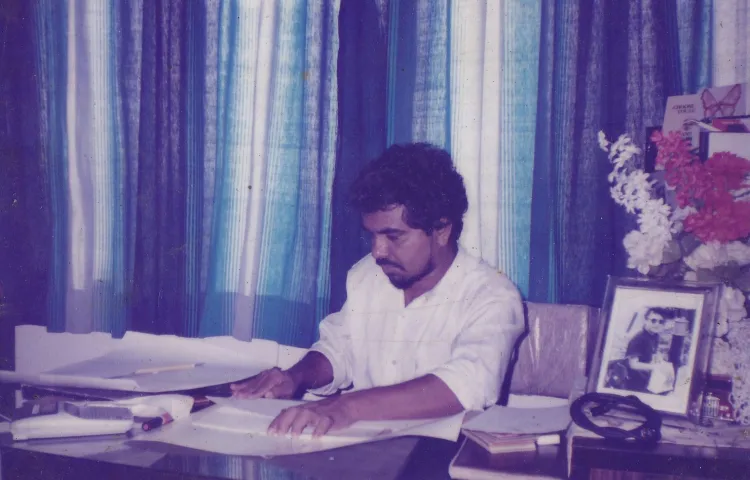
14 years on, wife of missing Sri Lankan journalist Prageeth Ekneligoda fights for justice
“I don’t know how long it will take, but I will get justice for my Prageeth,” Sandya Ekneligoda, wife of abducted Sri Lankan journalist and government critic Prageeth Ekneligoda, told CPJ via video call. It has been 14 years since Prageeth’s disappearance. Prageeth, a then 50-year-old cartoonist and columnist for the news website Lanka e…
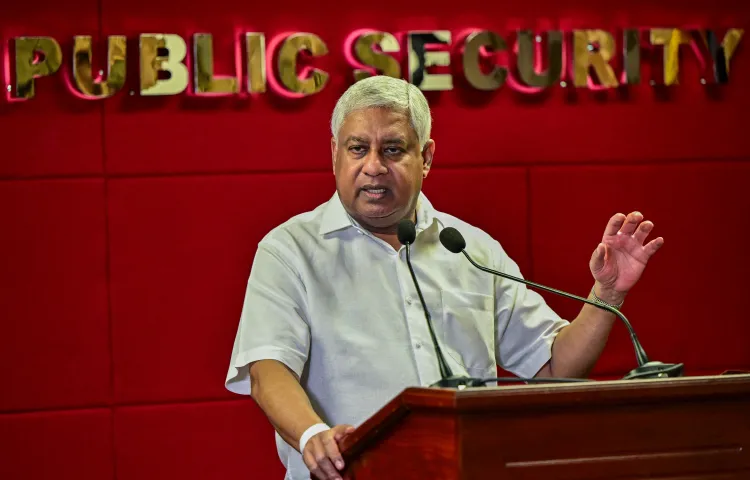
CPJ joins partners in calling on Sri Lanka to withdraw proposed Online Safety Bill
The Committee to Protect Journalists (CPJ) joined 58 organizations on Friday in calling on Sri Lankan Minister for Public Security Tiran Alles to withdraw the proposed Online Safety Bill and conduct sustained multi-stakeholder consultations, including with civil society and human rights experts. The latest version of the bill empowers a five-member commission appointed by the…
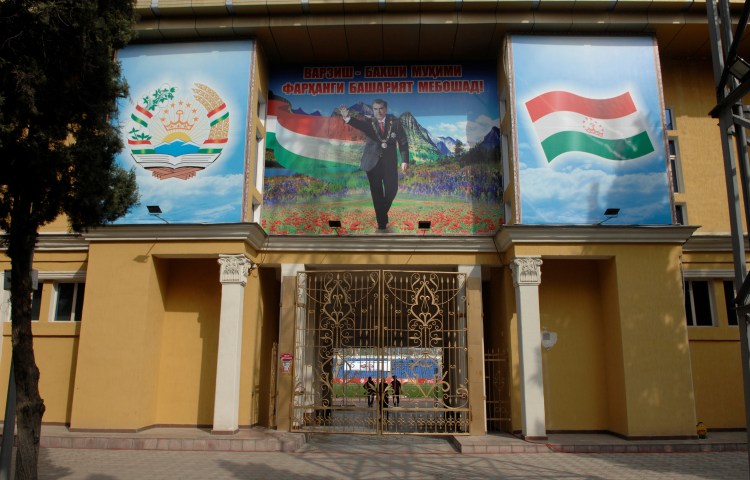
In Tajikistan, independent media throttled by state repression
Giant portraits of President Emomali Rahmon adorn even the most nondescript buildings in Tajikistan’s capital of Dushanbe. Throughout the country, his sayings are featured on posters and billboards. Their ubiquitous presence underscores the consolidation of power by Rahmon – officially described as “Founder of Peace and Unity, Leader of the Nation” – since he emerged…
Faces of impunity across the world
CPJ’s 2023 Global Impunity Index lists the top 12 countries where the murderers of journalists go free. But impunity knows no borders. The mosaic below shows the faces of slain journalists around the world. Beneath each journalist’s photo is the location of their death. Click the images for more details about these unsolved cases. (Photo grid by Geoff McGhee)

Tipping the scales: Journalists’ lawyers face retaliation around the globe
The smears began the day Christian Ulate began representing jailed Guatemalan journalist José Rubén Zamora: tweets accusing the lawyer of being a leftist or questioning his legal credentials. He began to fear he was being surveilled. Ulate had taken over the case in August 2022 from two other lawyers, Romeo Montoya García and Mario Castañeda,…
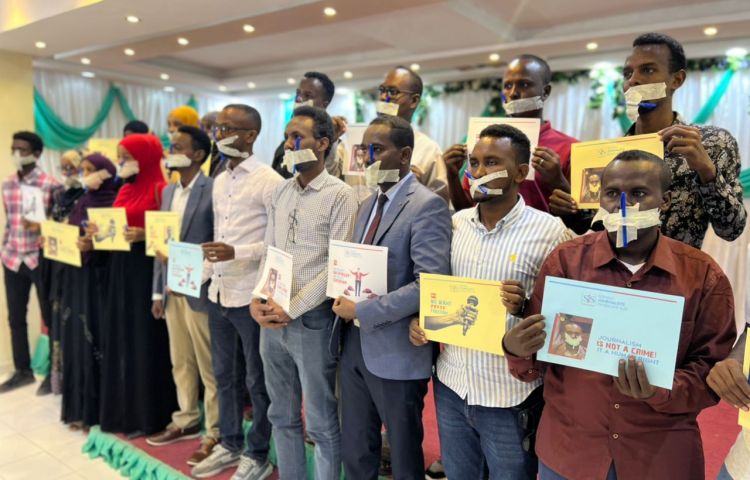
Cyberattackers used US company RayoByte in efforts to crash media sites
The cyberattack against the Somali Journalists Syndicate could not have come at a worse time. A distributed denial-of-service attack, known by its acronym DDoS, flooded the local press freedom group’s website with traffic in early August and knocked it offline. Days later, authorities arrested SJS staff member and Kaab TV editor Mohamed Ibrahim Osman Bulbul…

CPJ calls for protection of journalists in Bangladesh ahead of UN human rights review
Bangladesh authorities are increasingly attempting to silence the media through arbitrary detention, legal harassment, and censorship, according to a joint submission to the United Nations by the Committee to Protect Journalists, Robert F. Kennedy Human Rights, and Asian Legal Resource Centre. The submission, sent for the 44th session of the Universal Periodic Review Working Group…
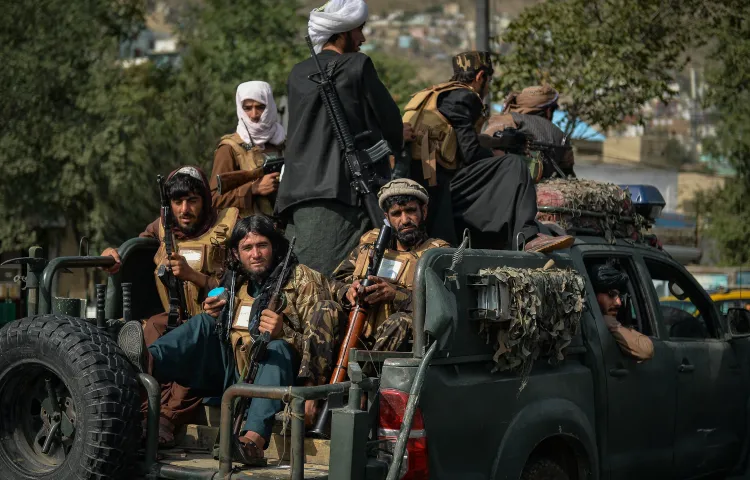
Two years into Taliban rule, media repression worsens in Afghanistan
When the Taliban retook control of Afghanistan in 2021, they promised to protect press freedom and women’s rights – a key facet of their efforts to paint a picture of moderation compared to their oppressive rule in the late 1990s. “We are committed to the media within our cultural frameworks. Private media can continue to…