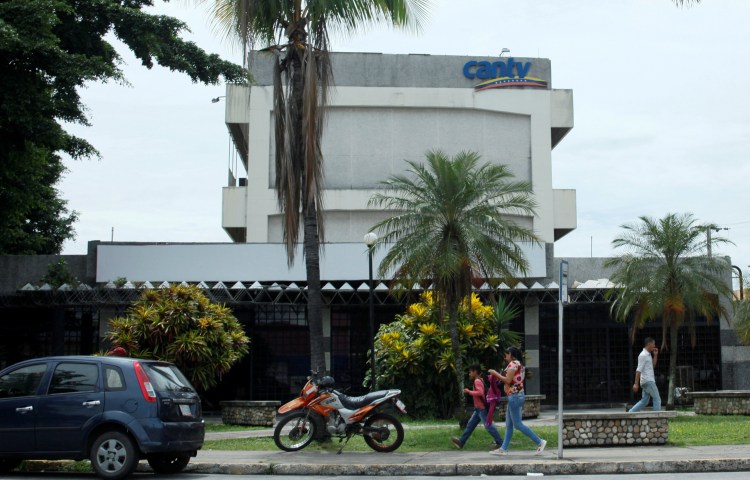
How Venezuela’s government uses private internet providers to restrict access to the news
After seven years of painstakingly building up its audience, Crónica Uno, one of the only high-quality news websites that caters to poor and working-class Venezuelans, was recording up to 15,000 unique page views per day. But after private internet service providers (ISPs) teamed up with Venezuela’s authoritarian government in February to block Crónica Uno and…
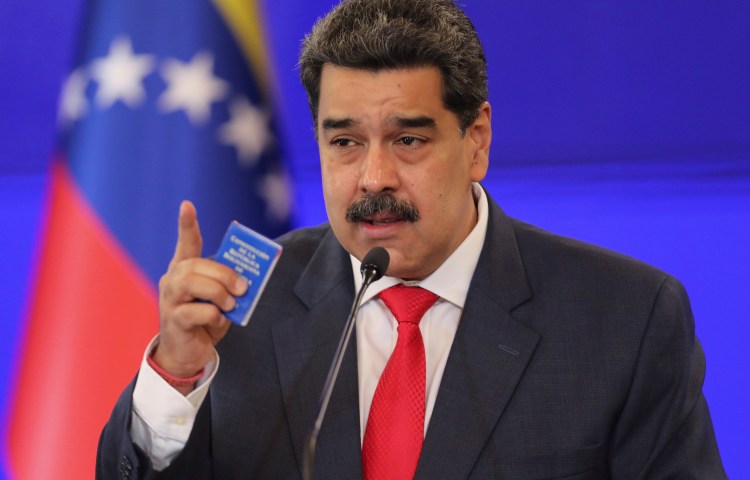
Proposed Venezuelan foreign funding law could have ‘huge impact’ on independent outlets
When Ewald Scharfenberg launched the investigative news website Armando.Info in 2014, about half of his start-up funds came from Venezuelan donors, subscribers, and advertisers, while overseas foundations provided the rest. But amid the worst economic crisis in Venezuela’s history, local income has disappeared, forcing Scharfenberg to rely almost entirely on international donations to keep Armando.Info…

Election disinformation happens all over the world. These journalists are combating it.
With multiple federal investigations underway into the January 6 Capitol riot, concerns still abound about the spread of disinformation around the U.S. election. But the U.S. is not alone in confronting the phenomenon. Disinformation is happening all over the world – especially during high stakes events like national votes. “It’s language agnostic, it’s region agnostic,…

Mapping Venezuela’s shrinking radio landscape
Mapping Venezuela’s shrinking radio landscape Venezuelans navigate an information desert amid COVID-19, humanitarian & political crises By CPJ Central & South America staff and Coral Negrón, CPJ Patti Birch Fellow for Data Journalism As the COVID-19 pandemic spread rapidly around the world, few countries were already in such a state of humanitarian crisis as Venezuela….
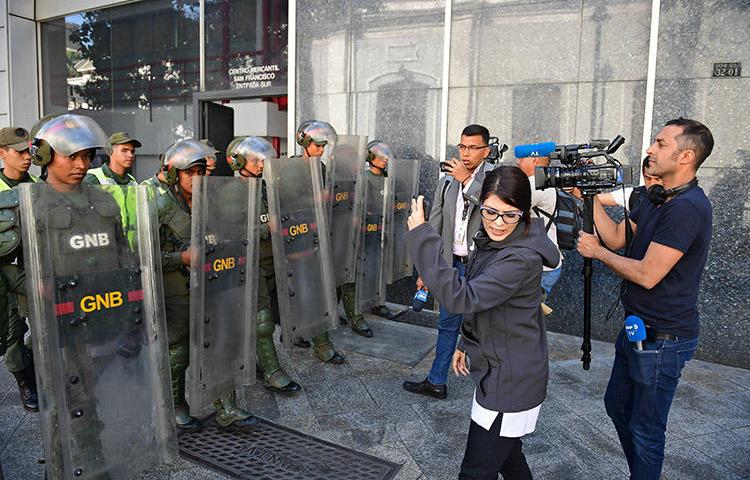
Caracas full of uncertainty for journalists covering Venezuela crisis
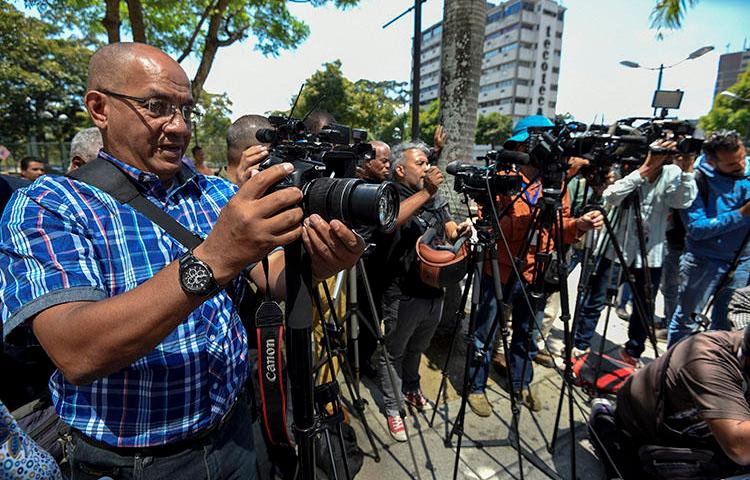
A year after disputed national elections in Venezuela, and with access to information growing ever-scarcer, the country remains in a political and economic crisis. Conditions for the press have deteriorated further since January, when Juan Guaidó, the head of the opposition-led national assembly, declared himself interim president.
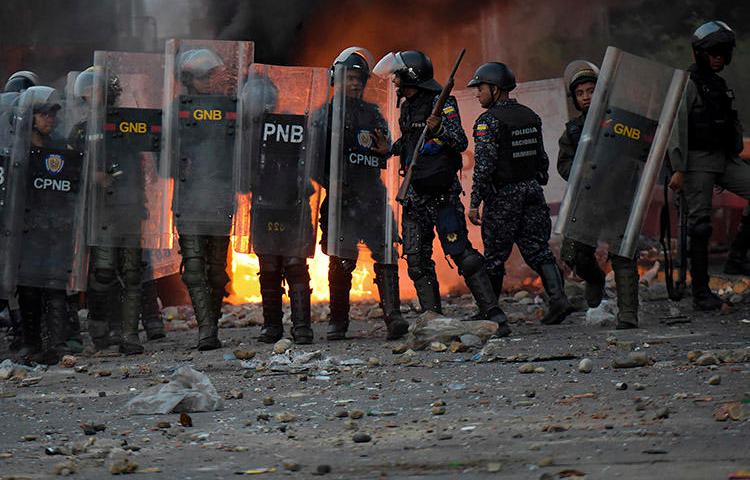
Uncertainty and risk for journalists stranded at Venezuelan border
As Venezuela’s political crisis deepens, and the country closes its border with Colombia following violent clashes in late February, CPJ’s emergencies director, María Salazar Ferro traveled to the Colombian border city Cúcuta, with Luisa Isaza, head of protection for the Colombian press freedom group FLIP, and CPJ’s Andes correspondent, John Otis. There, they met with…
Venezuela’s intimidation tactics include arbitrary arrests, deportation
When Venezuelan military officials detained American freelancer Cody Weddle on March 11, the experience was both frightening and bizarre. Weddle said that agents put a hood over his head and pressed him to reveal sources he had never spoken with. They suggested the reporter was a member of the CIA and would be charged with…
Maduro’s internet blackout stifles news of Venezuela crisis
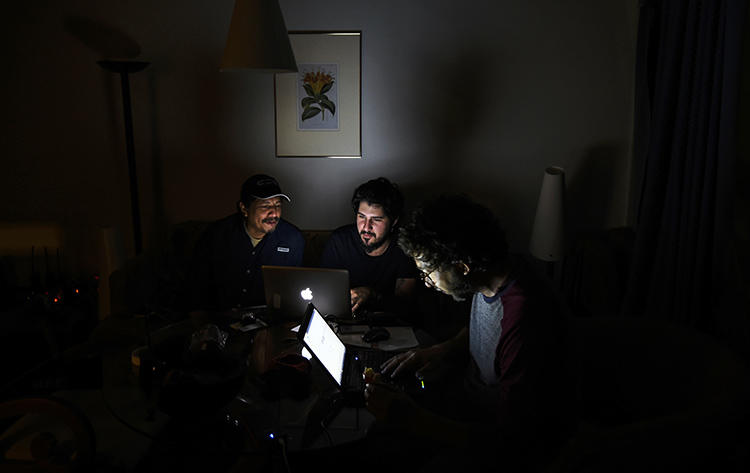
One of the world’s biggest news stories on March 4 was the daring return to Venezuela of opposition leader and self-proclaimed interim president Juan Guaidó, who faced possible arrest by the authoritarian regime of Nicolás Maduro. But most Venezuelans were unable to follow his homecoming.

CPJ joins letter expressing concern about proposed cyberspace law in Venezuela
The Committee to Protect Journalists joined more than 30 regional and international rights organizations expressing concern about a proposed law in Venezuela that would expand the powers of the government to control and monitor internet use without institutional checks.
Lawsuits and economic crisis drive Venezuela’s journalists into exile
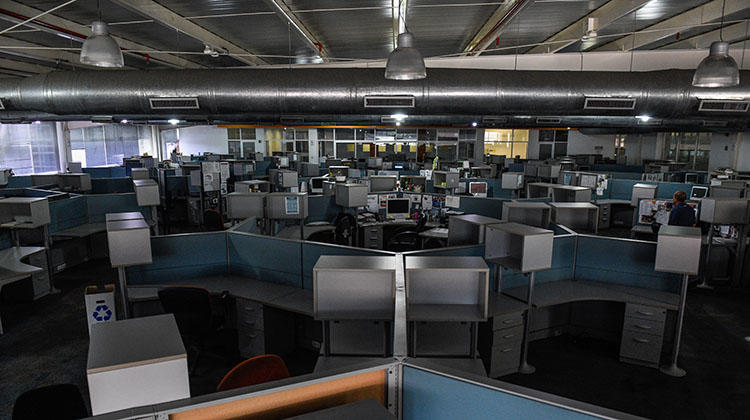
When Ewald Scharfenberg, the founding editor of the Venezuelan investigative news website Armando.Info, holds editorial meetings, he pulls out his mobile phone. That’s because most of his reporters are in Venezuela while Scharfenberg lives and works in neighboring Colombia.