Mexico
2010
Armando Rodríguez’s murder: Two years, no justice
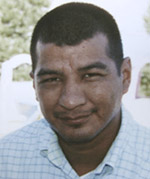
Two years have passed since the killing of El Diario journalist José Armando Rodríguez Carreón, known to his friends as “El Choco,” and no legal process has begun to shed light on the crime committed on November 13, 2008. Faced with the reality of impunity, his widow, Blanca Martínez, asserted that her only hope lies…
Alfredo Corchado: ‘Trust No One’
On Monday, the Woodrow Wilson Center in Washington hosted a panel discussion on the press freedom crisis in Mexico. Carlos Lauría and I spoke about CPJ report “Silence or Death in the Mexican Press” and the results of our meeting in September with President Felipe Calderón. Dolía Estevez described the event in a blog she…
Mexico no different than Iraq, reporters tell Wilson Center
On Monday, before a large audience of government officials, representatives of NGOs, reporters, and students, CPJ’s senior program coordinator for the Americas, Carlos Lauría, said that the level of crime violence, and corruption facing the press in Mexico, where more than 30 journalists have been murdered or have gone missing since Felipe Calderón took office…
Program to protect reporters raises doubts in Mexico
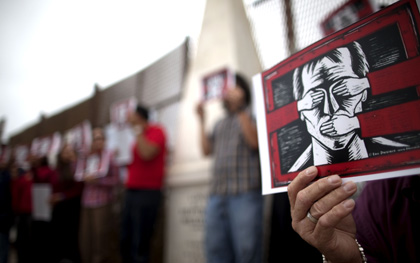
The Mexican government is currently putting together a program, it says, that will help reduce one of the most brutal problems for journalists: their lack of protection from death threats from drug cartels, government officials, and ordinary criminals. Senior officials at the Ministry of Interior told CPJ that they expect to offer at-risk journalists a…

Online freedom of expression in Latin America
On his blog, El Oso, David Sasaki has just finished up the third and last part in his series, “Internet Censorship and Freedom of Expression in Latin America.” It’s a brilliant overview of current political and social pressures on free speech and online reporting in the region. Some key observations: Direct governmental censorship in Latin…
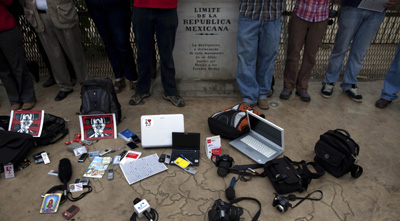
Mission Journal: Calderón sees a national threat
Mexican President Felipe Calderón Hinojosa had a message to deliver and it wasn’t about press freedom. After hearing the concerns presented by a joint delegation from CPJ and the Miami-based Inter American Press Association last week, the president wanted us to know something: He didn’t go looking for a fight against the drug cartels.
Doubt cast on confession in Rodríguez murder
The man who Mexican President Felipe Calderón Hinojosa said had confessed to taking part in the murder of reporter Armando Rodríguez Carreón was tortured, the newspaper El Diario in Ciudad Juárez reported today. On Wednesday, Calderón told a delegation from CPJ and the Inter American Press Association about the man’s alleged involvement in the killing.…