Faces of impunity across the world
CPJ’s 2023 Global Impunity Index lists the top 12 countries where the murderers of journalists go free. But impunity knows no borders. The mosaic below shows the faces of slain journalists around the world. Beneath each journalist’s photo is the location of their death. Click the images for more details about these unsolved cases. (Photo grid by Geoff McGhee)
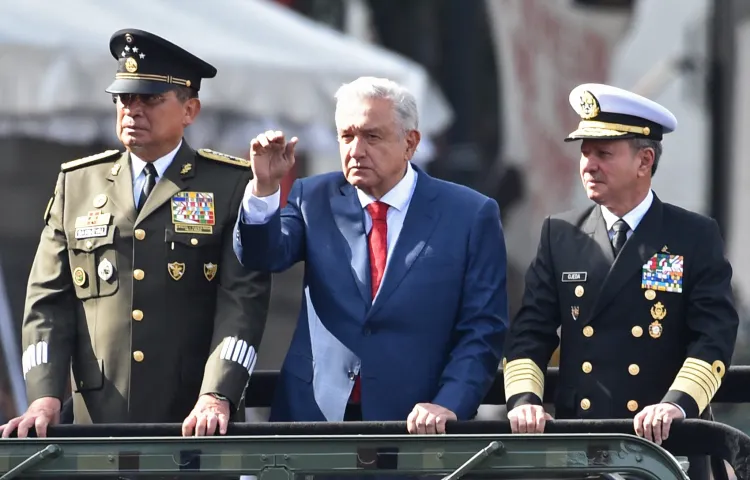
For Mexican journalists, President López Obrador’s pledge to curb spyware rings hollow
“Practically nothing.” RíoDoce magazine editor Andrés Villarreal spoke with a sigh and a hint of resignation as he described what came of Mexico’s investigation into the attempted hacking of his cell phone. “The federal authorities never contacted me personally. They told us informally that it wasn’t them, but that’s it.” Over five years have passed…

In 2022, journalist killings continue unabated in Mexico amid a climate of impunity
At least 13 journalists have been killed in Mexico in the first eight months of 2022, the highest number the Committee to Protect Journalists has ever documented in the country in a single year. In a country characterized by corruption and organized crime, it’s unclear how many were targeted directly because of their work. CPJ…
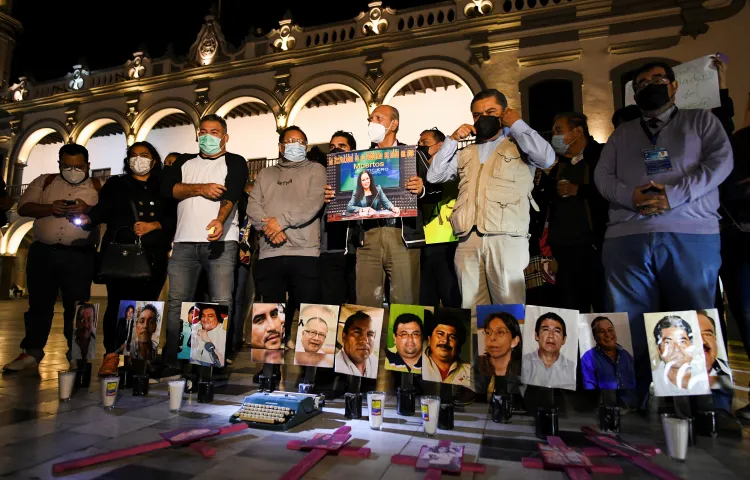
‘Watershed’ protests demand end to violence against journalists in Mexico
After reporter Maria Guadalupe Lourdes Maldonado López was shot and killed in her car outside her Tijuana home on Sunday, January 23, journalists in Mexico put out a call to action in group chats and across social media platforms. It was time to protest. Maldonado’s death was the third journalist killing in less than a…
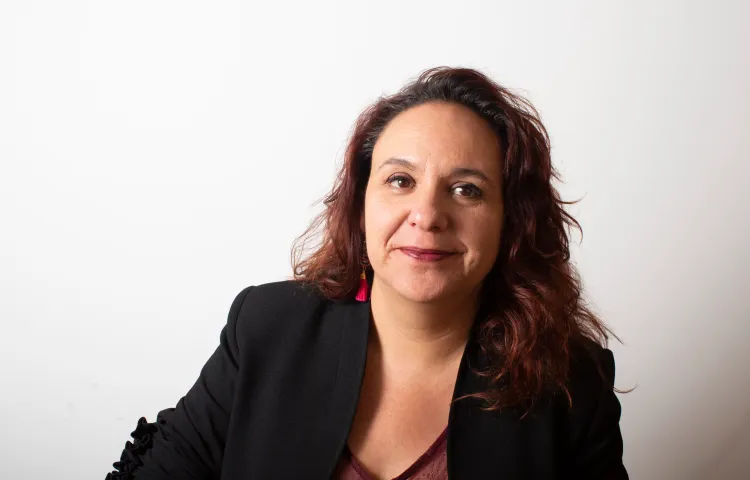
Marcela Turati on the chilling implications of Mexico’s probe into her reporting
For more than a decade, Marcela Turati has painstakingly documented disappearances and mass graves in Mexico, cementing her reputation as one of the country’s foremost investigative reporters. But even with her knowledge of human rights abuses and corruption, she was shocked to learn that she has been under investigation by Mexican federal authorities for years….

A press freedom crisis unfolds in Latin America
As the number of journalists imprisoned globally for their work climbs to record highs, cases of those behind bars in Latin America remained relatively low. A total of six – three in Cuba, two in Nicaragua and one in Brazil – were in custody for their work as of December 1, according to the Committee…
Pegasus Project revelations show added layer of risk for corruption reporters
Exposing those who abuse power for personal gain is a dangerous activity. Nearly 300 journalists killed for their work since CPJ started keeping records in 1992 covered corruption, either as their primary beat, or one of several. The risk was reaffirmed this month with the release of the Pegasus Project, collaborative reporting by 17 global…
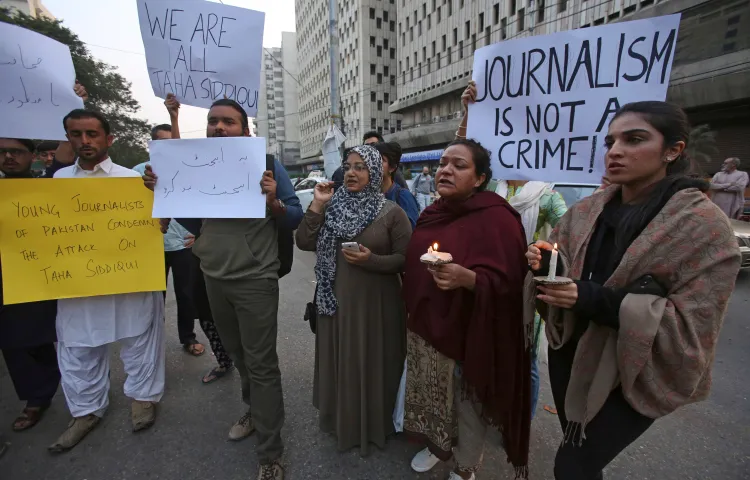
At-risk journalists who must flee home countries often find few quick and safe options
In 2018, journalist Mohammad Shubaat was in Daraa, Syria, caught between advancing forces aligned with Syrian President Bashar al-Assad and the closed borders of Israel and Jordan. Despite the dire threat to Shubaat and many of his colleagues, it would take over a year of intense negotiations with some 20 countries by the Committee to…
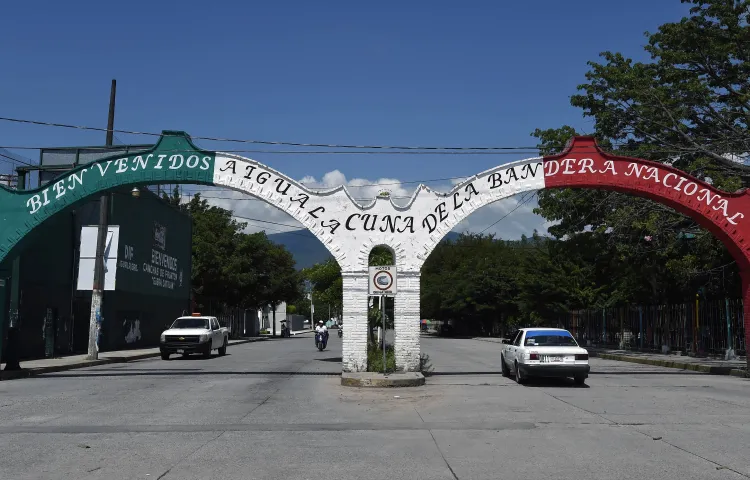
In Iguala, Mexico, murder and threats by organized crime shut down the news
Just before 1:00 a.m. on August 2, Pablo Morrugares, a journalist and restaurateur, opened the Facebook page for his news site and began a live broadcast from the café he owned in Iguala, in Mexico’s southwestern Guerrero state. A well-known local reporter, Morrugares covered crime and gangs, a beat so dangerous that Mexican authorities had…
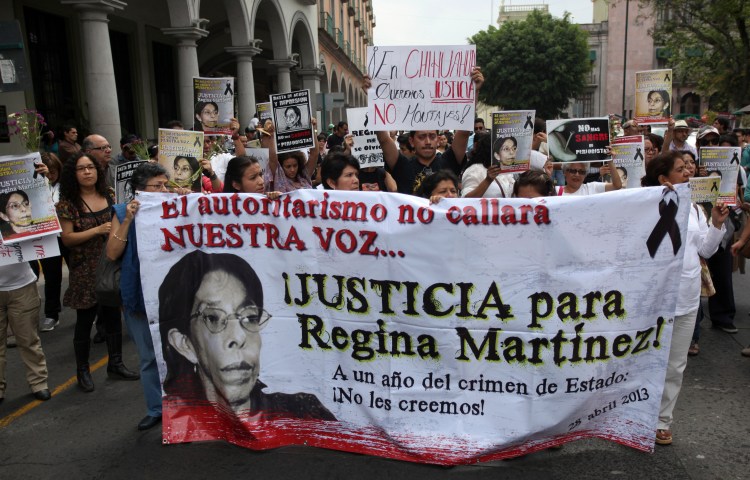
‘The Cartel Project’ investigates crimes against reporters in Mexico
Forbidden Stories—a network of journalists whose mission is to continue the work of reporters who are threatened, censored, or killed—yesterday published a new investigation into the murder of Mexican journalist Regina Martínez. The report, part of five-part series about the killings of reporters in Mexico, lays bare serious flaws in the investigation in a context…