Colombia
2010
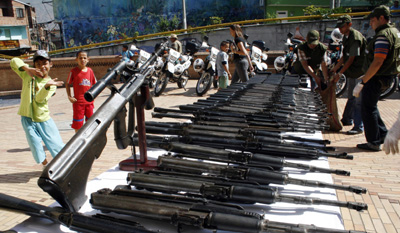
In Colombia, gang threats force reporter to flee
My chance encounter last year with Los Paisas, a criminal gang that operates in northern Colombia, began a nightmare that continues today. I was heading to an assignment in a tourist area south of Montería on July 9, 2009, when Los Paisas gang members blocked my car. The gang was meeting with local landowners nearby–and…
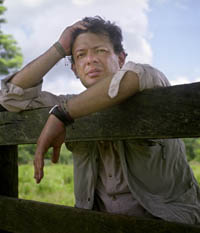
Hollman Morris, labeled ‘terrorist,’ finally Harvard-bound
For a month, U.S. officials in Bogotá told Colombian journalist Hollman Morris that his request for a U.S. visa to study at Harvard as a prestigious Nieman Fellow had been denied on grounds relating to terrorist activities as defined by the U.S. Patriot Act, and that the decision was permanent and that there were no…
CPJ testimony: Press freedom in the Americas
CPJ Executive Director Joel Simon testified today before the U.S. House of Representatives’ Subcommittee on the Western Hemisphere, saying that while democracies are prevalent in Latin America, the press continues to operate with few institutional protections. This statement was submitted into the record on Monday.

Decree limited Colombian presidential vote coverage
Among the regulations for Colombia’s presidential election on Sunday, the government barred the press from publishing Election Day news about alleged voter harassment or other irregularities unless it was confirmed by an official source. Local press groups said the rule limited important information on the very sort of illegal actions that have beset Colombian elections…
Impunity Summit: Solidarity in fighting journalist murders
Every day at CPJ, we count numbers: 18 journalists killed in Russia since 2000, 32 journalists and media workers slaughtered in the Maguindanao massacre, 88 journalists murdered over the last 10 years in Iraq. But on Tuesday night at CPJ’s Impunity Summit at Columbia University, CPJ Executive Director Joel Simon clarified why we were gathered:…
Fighting impunity with solidarity, unity, and a symbol
We will not make significant advances in the battle against crimes against journalists and the impunity surrounding them without the creation of a sense of unity and solidarity among a country’s news media and journalists. Nor will the cause advance without a strategy by international press freedom organizations to provide support for those two values.
Latin America takes steps against criminal defamation
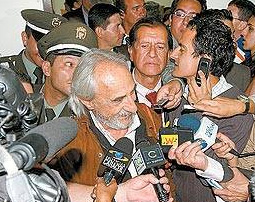
In an encouraging development, three courts in Colombia, Costa Rica, and Chile have recently followed the growing regional consensus against criminal defamation by dismissing criminal penalties against journalists accused of libel and slander.The newsweekly magazine Semana reported that a piece written by Alfredo Molano, at left, in the op-ed pages of the Bogota-based daily El Espectador in February 2007 described how…

CPJ launches yearly findings globally, and is heard
On February 16, CPJ held an ambitious international launch of our annual report Attacks on the Press. We coordinated events in six cities on four continents in order to expand the reach of our international headlines while also focusing on specific issues in each region. So how did we do?