Americas
2011

The press silenced, Nuevo Laredo tries to find voice
You don’t notice it at first. Not with the people seemingly moving as normal on the sidewalks and the happy recorded music blaring across the plaza in front of city hall to announce the annual cowboy parade. No, at first Nuevo Laredo looks like a regular border town, until the military armored car goes by…
Journalists killed: Inside the numbers
CPJ today released its annual tally of the journalists killed around the world. This is always a somber occasion for us as we chronicle the grim toll, remember friends who have been lost, and recommit ourselves to justice. It’s also a time when we are asked questions about our research and why our numbers are…
Ríodoce attack shows need for denial-of-service defenses
A founder of Mexican news weekly Ríodoce, Javier Valdez Cárdenas, traveled to New York in November to receive CPJ’s International Press Freedom Award at our annual benefit dinner. No sooner had he returned to Mexico than Ríodoce’s website was thrown offline by a denial of service (DOS) attack, in which multiple computers are used to…
Clinton must tread carefully in Burma
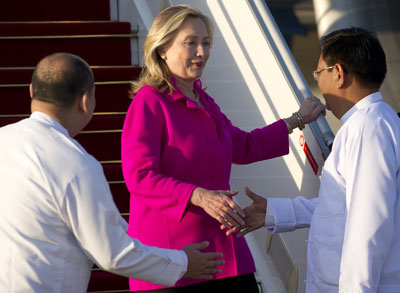
When U.S. Secretary of State Hillary Clinton meets this week with Burmese President Thein Sein, opposition leader Aung San Suu Kyi, and senior ranking members of the military establishment, she conspicuously will not have the opportunity to meet with journalist Sithu Zeya. Sithu was detained by police after recording the impact of a bomb that…
What we have learned from fighting impunity
Press freedom groups worldwide are banding together today, the International Day to End Impunity, to demand justice for hundreds of journalists murdered for their work. On this day, the Committee to Protect Journalists and dozens of other members of the International Freedom of Information Exchange are remembering journalists killed, and urging governments to take action…

Awardees to their colleagues: Buck the system
The Grand Ballroom of the Waldorf Astoria might seem like an odd venue to stage a call for resistance. Nine hundred people in tuxedos and gowns. Champagne and cocktails. Bill Cunningham snapping photos. This combination is generally more likely to coax a boozy nostalgia than foment a revolution. But the journalists honored last night at…

A call to continue the struggle against impunity
Last night, hundreds of journalists and members of New York’s press freedom community met at the Waldorf Astoria hotel in Manhattan for the Committee to Protect Journalists’ XXI annual International Press Freedom Awards. At the event–celebrating the extraordinary courage of five journalists from across the globe–guests and award recipients unanimously expressed their commitment to fighting…
At Occupy protests, U.S. journalists arrested, assaulted
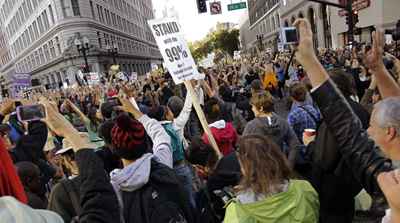
As the Occupy movement has spread beyond Wall Street, at least seven U.S. journalists have been detained and one television crew attacked by U.S. law enforcement officers during turbulent encounters between police and protesters. Occupy demonstrators have attacked journalists in two other instances, including an assault this week in Oakland, Calif., that left a cameraman with…
Mexican cartels keep up social media intimidation
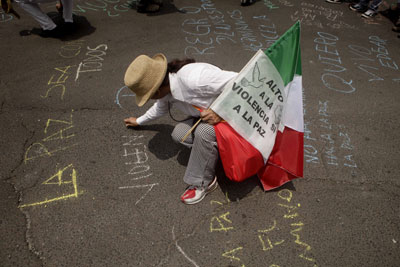
The dissemination of reports and graphic photos of a dead man, reportedly decapitated and left in the border city of Nuevo Laredo with a warning that he was murdered for using a chat room, appears to be the latest attempt by organized crime to intimidate social media users and control the online agenda. While it’s…