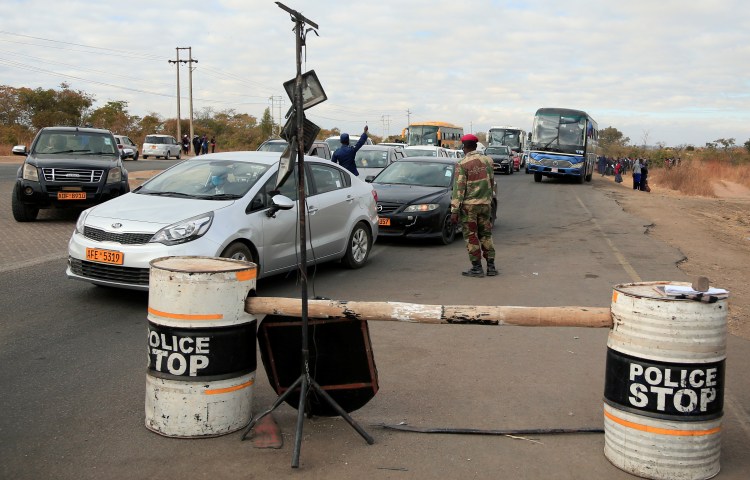
CPJ joins letter to UN and AU rapporteurs expressing concern about free expression in Zimbabwe
The Committee to Protect Journalists yesterday joined the Southern African Human Rights Defenders Network, Zimbabwe Lawyers for Human Rights, and Robert F. Kennedy Human Rights groups in an open letter to six special rapporteurs at the UN and African Commission on Human and Peoples’ Rights, expressing concern about the targeting of journalists and human rights…
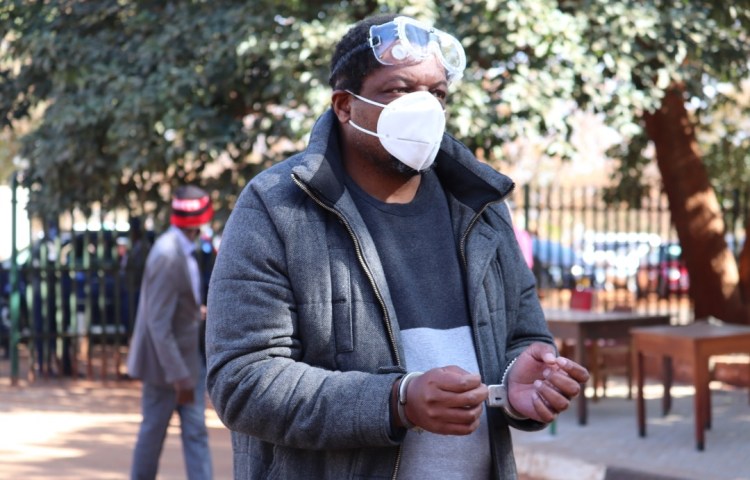
CPJ joins letter calling on African Union to secure release of Zimbabwean journalist Hopewell Chin’ono
The Committee to Protect Journalists today joined eight other press and human rights groups in sending a letter to Cyril Ramaphosa, the chair of the African Union and the president of South Africa, calling on him to use all means available to secure the release of jailed Zimbabwean reporter Hopewell Chin’ono. Chin’ono, an award-winning investigative…

CPJ joins call for Zimbabwe to restore internet and social media access
The Committee to Protect Journalists joined more than 20 rights organizations and the #KeepItOn Coalition to call for authorities in Zimbabwe to restore internet and social media services, commit to maintaining internet access, and encourage accountability from telecommunication and internet service providers to respect human rights.
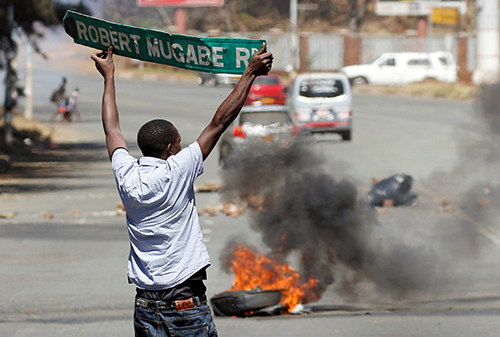
Journalists caught in crosshairs amid protests and unrest in Zimbabwe
A photograph of freelance journalist Lucy Yasini trying to ward off an attack by police while covering a protest in Harare was circulated on social media last week. A day later, a photograph was shared of two reporters, Obey Manayiti and Robert Tapfumaneyi, in the back of a police truck after their arrest. The incidents…


Q&A: Zenzele Ndebele promotes radio in Zimbabwe
With Zimbabwe elections days away, the fight over access to the airwaves has intensified. The media environment has loosened slightly compared with previous years, but most Zimbabweans still lack access to independent sources of news, including radio. One person familiar with obstacles to broadcasting is Zenzele Ndebele, editor of Radio Dialogue, a community radio station…

A bid to rid Africa of criminal defamation, sedition laws
The African Union’s special rapporteur on freedom of expression and access to information, Commissioner Pansy Tlakula, has launched an auspicious initiative in East Africa to counter criminal defamation and sedition laws. Since independence, authorities and business interests in the East and Horn region have used criminal laws on sedition, libel, and insult–often relics of former,…
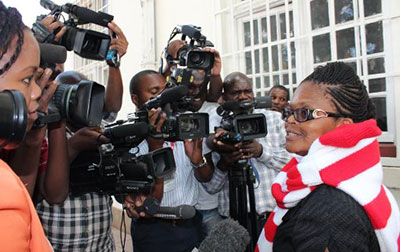
Zimbabwe frees prominent lawyer Mtetwa on bail
Beatrice Mtetwa, a tenacious lawyer who has won accolades for stubbornly defending journalists and others persecuted by Robert Mugabe’s regime in Zimbabwe, regained her freedom today after a hellish week that began on March 17 when she was arrested and charged with the criminal offense of “defeating or obstructing the course of justice.”
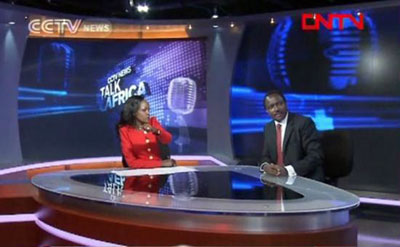
China’s media footprint in Kenya
Will China’s quickly expanding media presence in Africa result in a fresh, alternative, and balanced perspective on the continent–much as Al-Jazeera altered the broadcast landscape with the launch of its English service in 2006–or will it be essentially an exercise in propaganda?