South Africa
2011
Mission Journal: Secrets bill spurs South African press
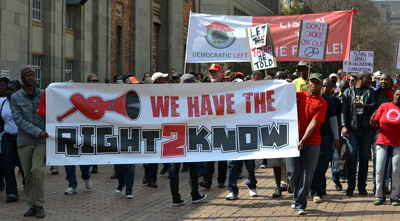
Irrespective of whether South Africa actually implements the most draconian parts of state secrets legislation now under consideration, the media in the continent’s most open democracy already feel under threat. The prospect of 25-year jail sentences for journalists publishing “classified” information has galvanized disparate news outlets and journalists groups to work together like never before.

The Internet in East Africa: An aid or a weapon?
Frank Nyakairu has seen it all. A veteran war reporter, he has covered the horrors of northern Uganda and Somalia, among others places. And throughout this time of rich but often appalling experiences, he has also seen the auspicious–and sometimes terrifying–impact the Internet has had on East African reporters. Nyakairu spoke at a recent workshop held…

At NYU, South Africa’s Motlanthe defends press policies
On Monday, in a public lecture at New York University, South African Deputy President Kgalema Motlanthe described as irreversible the democratic gains made since the end of apartheid, including the advancement of press freedom. “We have a constitution which guarantees basic human rights such as freedom of association, freedom of the press, and the independent…

In South Africa, judge orders probe into censorship at SABC
In South Africa, a judge this week ordered an official investigation into allegations that a former news executive for national public broadcaster SABC had muted critical voices and skewed coverage of major events–like the aftermath of Zimbabwe’s 2005 election in favor of the ruling party. The ruling comes amid a contentious press freedom debate stirred…
South Africa resumes debate on secrecy bill
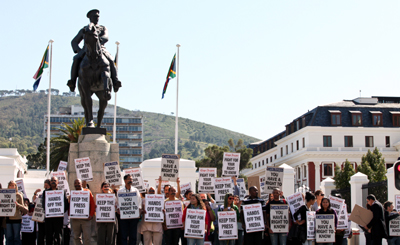
Parliamentary hearings on South Africa’s Protection of Information Bill resumed last week with heated debate over provisions threatening to restrict press freedom and access to information. For journalists, much uncertainty remains over the final product and when it will be completed.