Somalia
2009
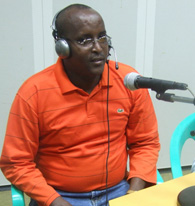
My experience at the deadly Hotel Shamo bombing
Mohamed Olad Hassan, at left, a reporter for the BBC and The Associated Press, and chairman of the Somali Foreign Correspondents Association, recounts his experience covering a deadly ceremony in Somalia’s capital, Mogadishu. Olad narrowly escaped death after a suicide bomber killed at least 23 people on December 3 at the graduation ceremony at Hotel…
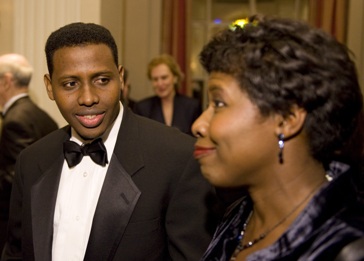
Seen and heard at CPJ benefit: ‘The pen is not broken’
Small in stature but strong in her words, Naziha Réjiba tells a reporter of all the things the Tunisian government does to try to frighten her. But Réjiba said that she will not be scared, that she will never allow such tactics to have power over her. Editor of Kalima, an online news Web site blocked in…
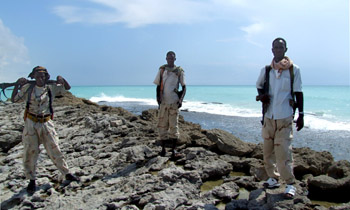
A journalist in the hands of Somali pirates
Shadows of emerging skyscrapers in a neighborhood in Nairobi come alive as the sun glides down the western horizon. I am walking down one of the deserted streets in the city’s Eastleigh shantytown. Lately, Eastleigh has become a contradiction of sorts. While the roads remain as torn as ever and clean drinking water and other…
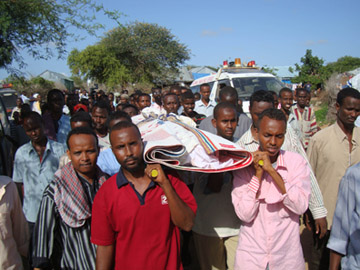
Somali journalists leave profession in fear as another dies
Somali journalists held an emotional press conference in Mogadishu today at the Sahafi Hotel after Sunday’s fatal shooting of the former director of Shabelle Media Network. (Sahafi means “journalist” in Arabic.) Roughly 15 journalists from different news outlets announced they were suspending their work because of security concerns. “We can no longer operate independently and…
Good discussions in Bonn; murder in Mogadishu
Journalism conferences discussing global trends often inflate the real but intermittent risks faced by foreign correspondents from wealthier nations who travel to and report from less stable regions of the world. They do so at the expense of downplaying if not plain ignoring the much greater risks faced by local journalists who live in such…
Remembering Said Tahlil
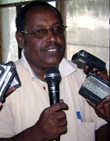
Falastiin Iman, a former producer for the independent Somali broadcaster HornAfrik, was talking by phone on Sunday with the station’s director, Said Tahlil, left. He was upbeat, she said, a mood that is not easy to come by in Mogadishu. “He was so happy that peace was finally coming to Somalia and that, miraculously, HornAfrik…
Letter from Mogadishu: Working where violence is normal
On Friday, as we welcomed the release of a journalist kidnapped in Somalia, we received a compelling account from a freelance reporter working in the capital, Mogadishu. Our colleague describes the perils of working in a city where journalists operate at the mercy of warring insurgents and government troops, and throughout Somalia, one of the world’s…