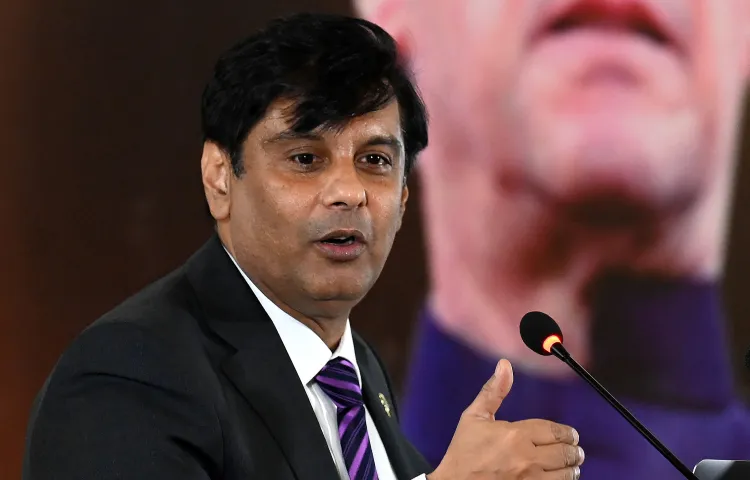
CPJ, 14 organizations call on Kenyan authorities to expedite investigations into killing of journalist Arshad Sharif
CPJ and 14 human rights organizations and press associations issued a joint statement on Tuesday, May 2, calling on Kenyan authorities to expedite investigations into the killing of Pakistani journalist Arshad Sharif and to ensure accountability in a transparent judicial process. In October 2022, Kenyan police said an officer fatally shot Sharif in Kajiado County…

‘I am dying every day:’ Wife of killed Pakistani journalist Arshad Sharif calls for justice
Justice remains elusive six months after the killing of prominent Pakistani journalist Arshad Sharif in Kenya on October 23, 2022. Kenyan authorities claimed Sharif was shot dead by Kenyan police in an incident that shocked Pakistan’s media community and raised questions about whether his death was connected to his work. “This was a targeted killing,”…
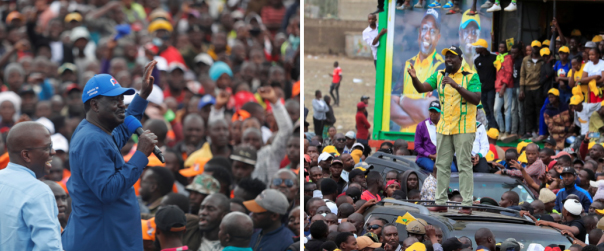
Six Kenyan journalists and press freedom advocates on their fears ahead of general elections
Kenyans are preparing to head to the polls August 9 for a national election that is predicted to be tightly contested. Deputy President William Ruto is vying for the presidency against main contender Raila Odinga, a veteran opposition figure who nonetheless has the backing of the current President Uhuru Kenyatta. In 2017, Kenyan journalists were harassed and detained while covering…
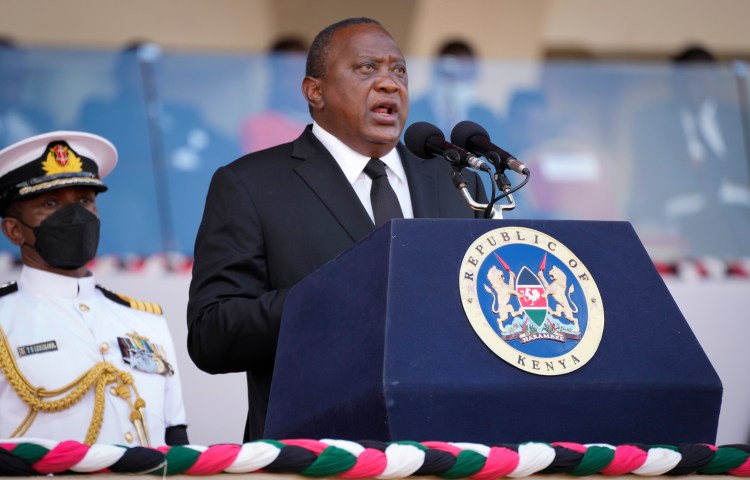
CPJ joins letter calling on Kenya to ensure internet access is maintained throughout election
In a joint letter addressed to Kenyan President Uhuru Kenyatta on Tuesday, June 21, the Committee to Protect Journalists joined 51 other organizations calling on authorities to ensure free and secure internet access during the country’s upcoming general elections, scheduled for August 9. The organizations, all members of the #KeepItOn Coalition against internet shutdowns, note…
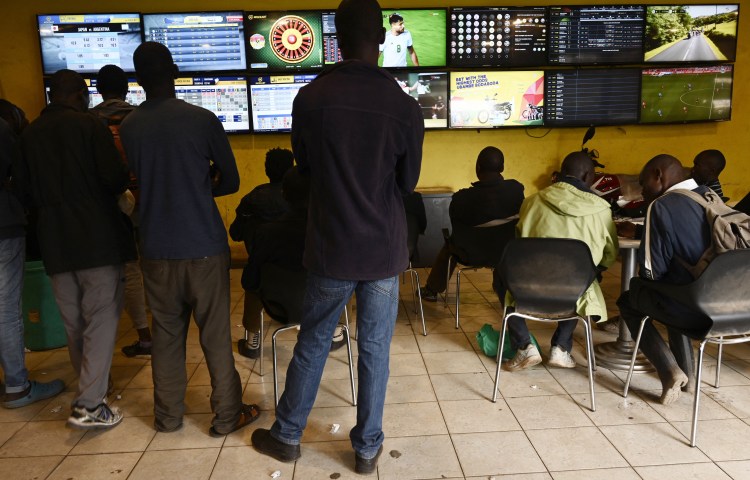
How U.S. copyright law and fake Gmail accounts were used to censor a report on gambling in Kenya
On February 4, Emmanuel Dogbevi turned to Twitter with a plea for help. He tagged press freedom groups and colleagues in a series of tweets, lamenting how allegations that he violated U.S. copyright law had prompted his news website to be taken offline. Dogbevi told CPJ via phone that Ghana Business News, the Ghana-based website he edits,…

Amid tensions ahead of Kenyan vote, journalists face violence and threats
When a fight broke out during a political rally for Kenya’s Orange Democratic Movement in Kakamega county on May 4, Shaban Makokha was taking pictures for his newspaper, the Daily Nation. Makokha told CPJ that when police arrived to break up the fight, they demanded that he stop taking pictures, even after he identified himself…
Gado blames government pressure as cartoonist’s contract at Kenya’s Nation ends
For 23 years Godfrey Mwampembwa has been a prominent and quick-witted observer of the political scene in East Africa. But all that changed last month when the cartoonist, known as Gado, was told his contract at Kenya’s biggest newspapers, the Nation, would not be renewed.

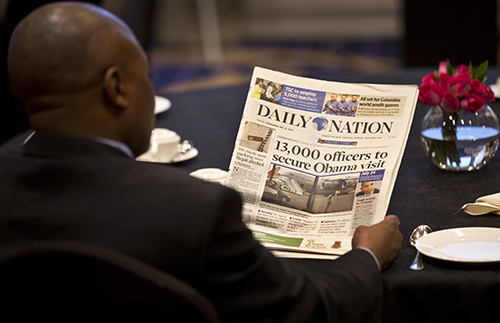
Mission Journal: Will Obama’s visit boost hopes for press freedom in Kenya?
President Barack Obama is expected to address a range of topics when he arrives in Kenya tomorrow. The Kenyan government says it plans to discuss security and trade, while opposition parties and civil society want good governance and human rights added to the agenda, according to news reports. We hope the discussion includes the commitments…

After Charlie Hebdo attack, vigils, protests and publishing bans
Protests against the French satirical weekly Charlie Hebdo were held in Afghanistan, Pakistan, the Middle East and parts of Africa over the weekend, as crowds demonstrated against the magazine’s portrayal of the Prophet Muhammad, according to news reports.

Mission Journal: Ethiopian journalists must choose between being locked up or locked out
A sharp increase in the number of Ethiopian journalists fleeing into exile has been recorded by the Committee to Protect Journalists in the past 12 months. More than 30–twice the number of exiles CPJ documented in 2012 and 2013 combined–were forced to leave after the government began a campaign of arrests. In October, Nicole Schilit…