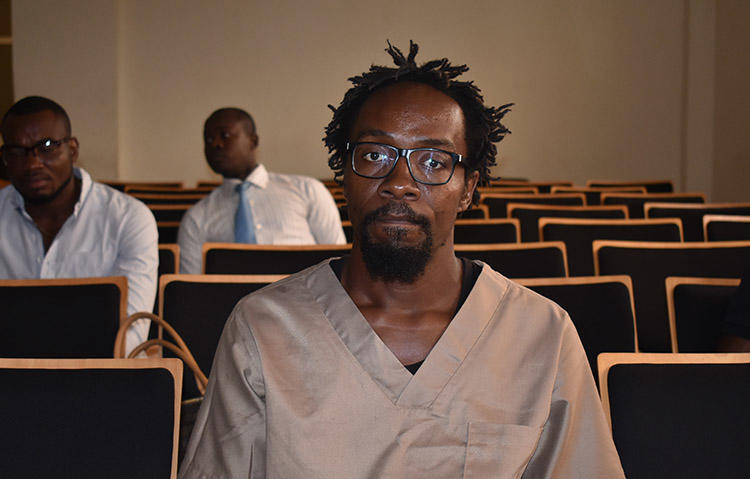

First US-Africa summit short on press freedom, other human rights
Top African and U.S. leaders are meeting next week in Washington in a first-of-its-kind summit focused on African development. But critics argue the summit is flawed in design, overlooking human rights such as freedom of expression and barring civil society actors from bilateral discussions.
Equatorial Guinea bars reporter from press freedom debate
To commemorate World Press Freedom Day on May 3, CPJ published a list of the 10 most censored countries, citing Equatorial Guinea as the fifth worst offender. In response, the Minister of Information and government spokesperson, Jerónimo Osa Osa Ecoro, dismissed the analysis of the country’s press situation as biased.”We are going to communicate with…
Most censored nations each distort the Net in own way
One big reason for the Internet’s success is its role as a universal standard, interoperable across the world. The data packets that leave your computer in Botswana are the same as those which arrive in Barbados. The same is increasingly true of modern mobile networks. Standards are converging: You can use your phone, access an…
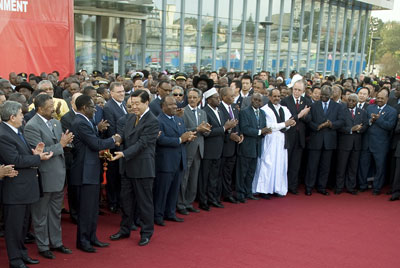
China not most censored, but may be most ambitious
China didn’t make the cut for our 10 most censored countries. While the Chinese Communist Party’s censorship apparatus is notorious, journalists and Internet users work hard to overcome the restrictions. Nations like Eritrea and North Korea lack that dynamism.
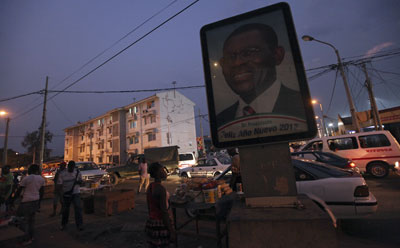
Equatorial Guinea’s press silent on unrest in Mali, Syria
While Mali remains in global headlines with a March 22 military coup and rebel claims of an independent state, citizens in Equatorial Guinea are kept in the dark about the crisis unless they have access to international media, CPJ has gathered from interviews with journalists and a government spokesman.
Obiang prize shelved… for now… again
UNESCO’s executive board Tuesday again deferred action on the life sciences prize named after and funded by President Teodoro Obiang Nguema Mbasogo of Equatorial Guinea. The Committee to Protect Journalists joined with other human rights organizations to call on the board to eliminate the prize permanently.
Obiang prize goes down to the wire
Teodoro Obiang Nguema Mbasogo is a stubborn man. In 2008, the president of Equatorial Guinea made a $3 million donation to UNESCO to underwrite a prize in the life sciences. But a groundswell of opposition from human rights groups, press freedom organizations, and governments appalled by Obiang’s record of kleptocracy and human rights abuses helped…
UNESCO must reject Obiang prize bid
The Committee to Protect Journalists joined with eight other human rights organizations today in opposing the bid for a UNESCO life sciences prize named after Equatorial Guinea President Teodoro Obiang Nguema Mbasogo. CPJ and other groups have consistently voiced their opposition to this prize, saying that Equatorial Guinea’s human rights record undercuts the UNESCO mission.…
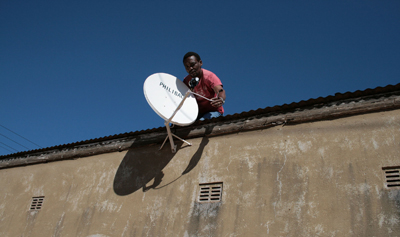
Sub-Saharan Africa censors Mideast protests
As news of Middle Eastern and North African protests swirl around the globe, satellite television and the Internet prove vital sources of information for Africans as governments fearful of an informed citizenry and a free press such as in Eritrea, Equatorial Guinea, and Zimbabwe impose total news blackouts on the developments.