Attacks on the Press
2017 Edition
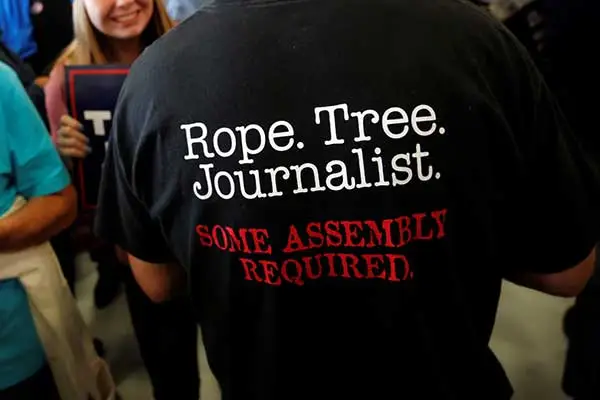
Introduction: The New Face of Censorship
by Joel Simon
Governments and non-state actors find innovative ways to suppress the media.
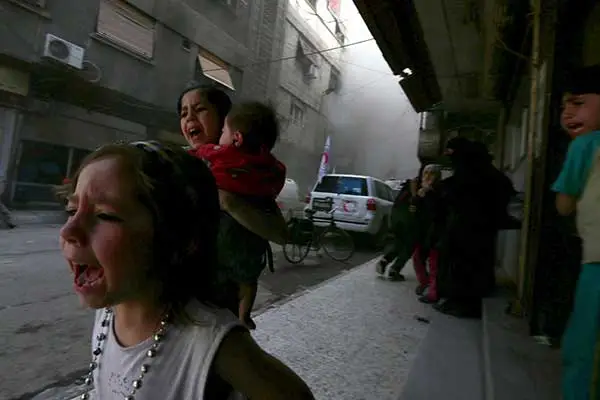
Where I’ve Never Set Foot
by Alessandria Masi
Barred from Syria, a journalist must make sense of what she’s told.
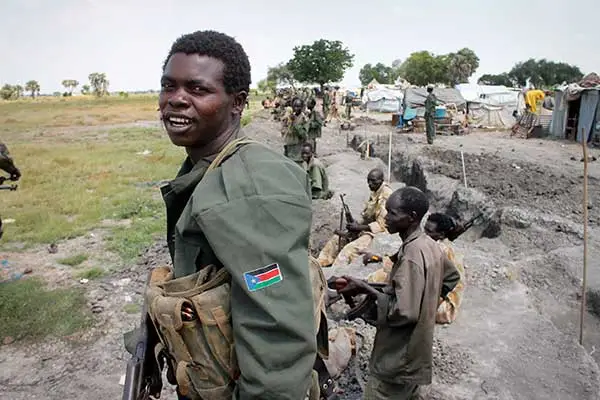
From Fledgling to Failed
by Jacey Fortin
Even as the country collapses, South Sudan’s government will brook no criticism.
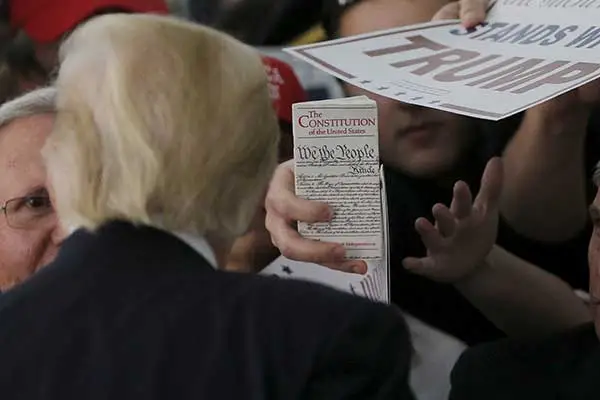
What Is the Worst-Case Scenario?
by Alan Huffman on May 4, 2016
American journalists grapple with the Trump presidency.
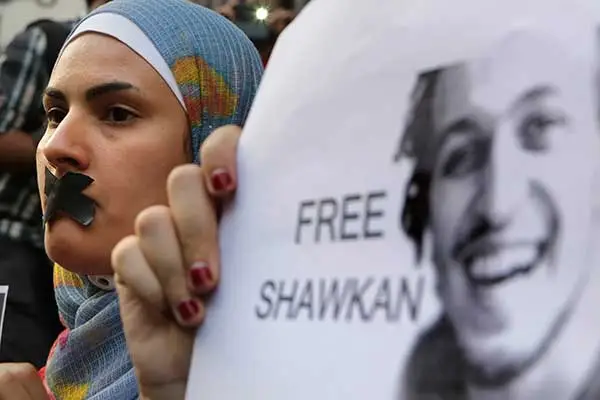
A Loyal Press
by Ursula Lindsey
Independence means isolation for journalists in Sisi’s Egypt.
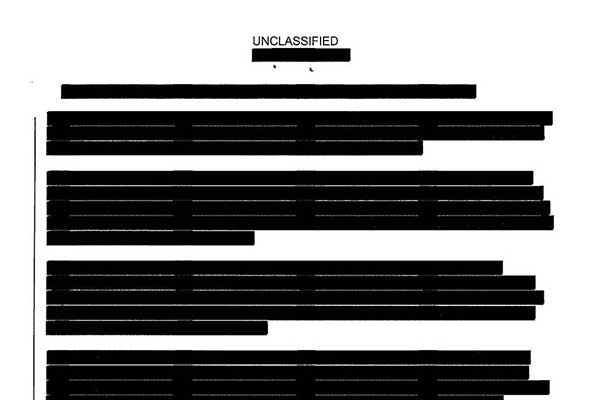
Thwarting Freedom of Information
by Jason Leopold
Agencies exploit every loophole to evade disclosure requirements.
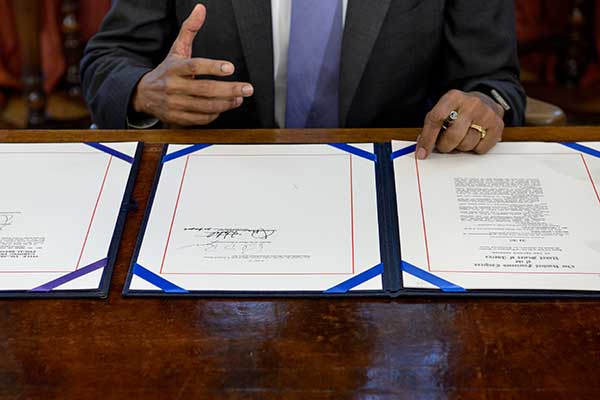
Case in Point
by Michael Pell
A journalist details one fight over records requests in the United States.
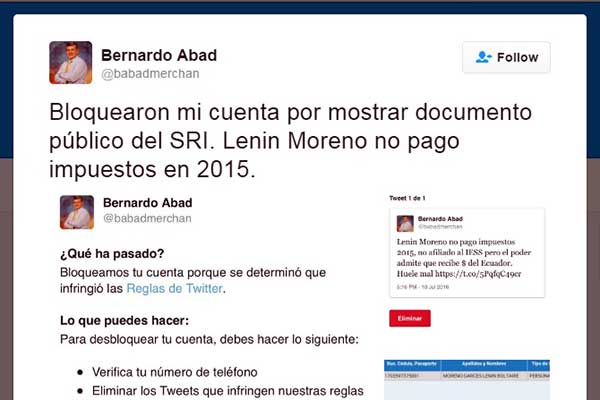
Disrupting the Debate
by Alexandra Ellerbeck
Governments use copyright laws and Twitter bots to curb criticism on social media.
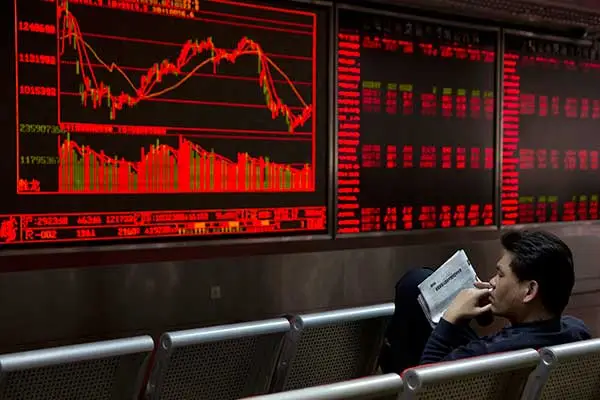
Discredited
by Yaqiu Wang
Journalists’ online activity could hurt their financial standing under a new Chinese plan.
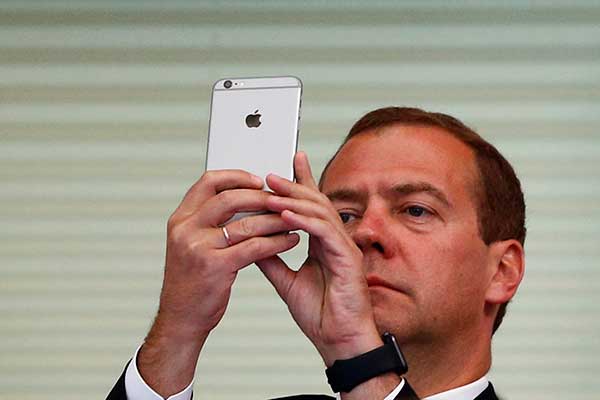
Chinese Import
by Emily Parker
Russia tries to emulate Beijing’s model of information control.
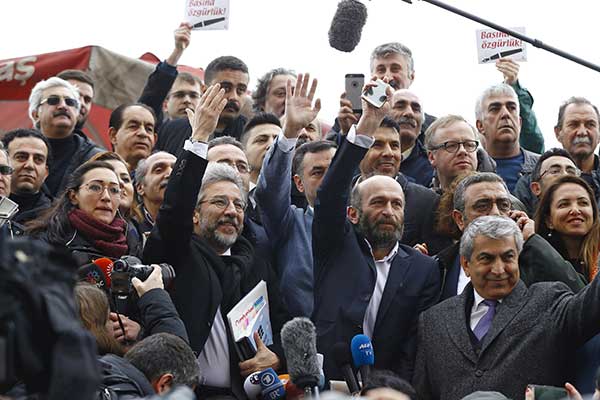
Willing Accomplice
by Andrew Finkel
Collusion by the Turkish media compounds the country’s crisis.
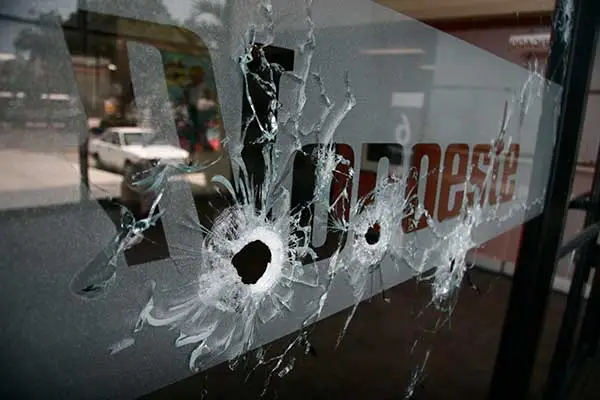
Edited by Drug Lords
by Elisabeth Malkin
Mexican journalists navigate threats and censorship by cartels.
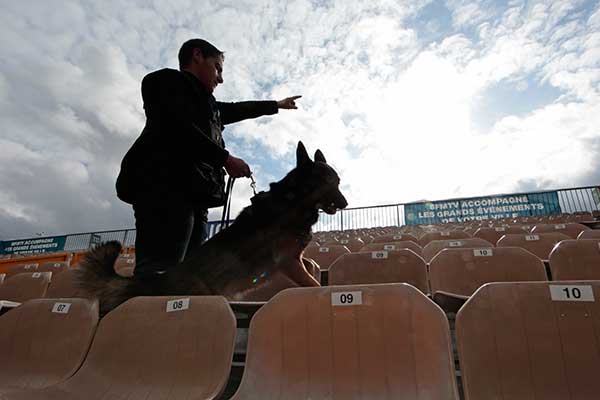
Self-Restraint vs. Self-Censorship
by Jean-Paul Marthoz
How much should journalists hold back when covering terrorism in Europe?
Women on the Frontlines: Watch a panel discussion about gender-related threats to journalists.
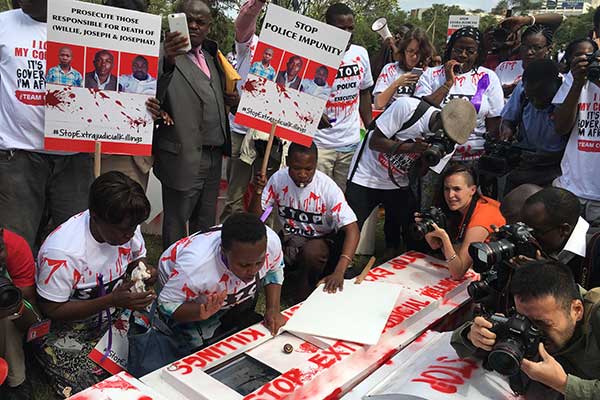
Fiscal Blackmail
by Alan Rusbridger
The Kenyan government withdraws advertising when newspapers step out of line.
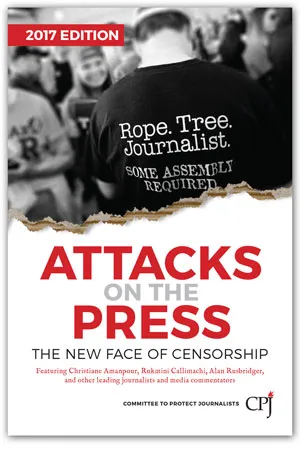
Support CPJ, Purchase a copy of Attacks on the Press: 2017 Edition ›
Attacks on the Press is published by Bloomberg Press, and imprint of Wiley.
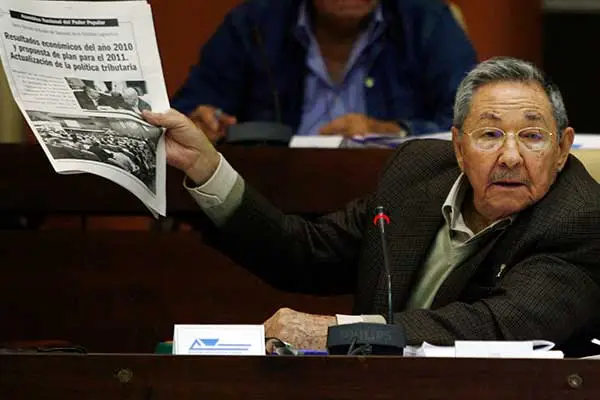
Connecting Cuba
by Carlos Lauría
Outdated laws and limited, expensive internet access slow the island nation’s progress.
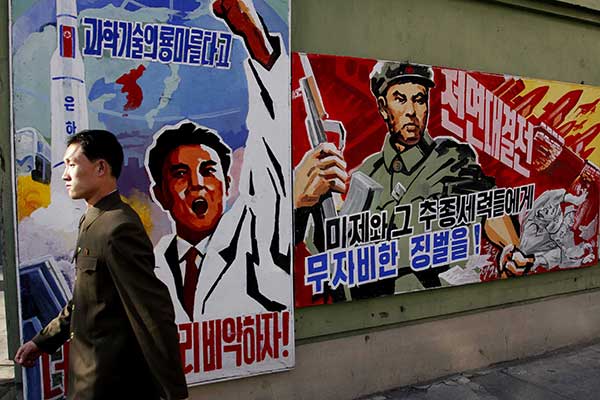
Supervised Access
by Jessica Jerreat
North Korea masks deep censorship by admitting foreign reporters.
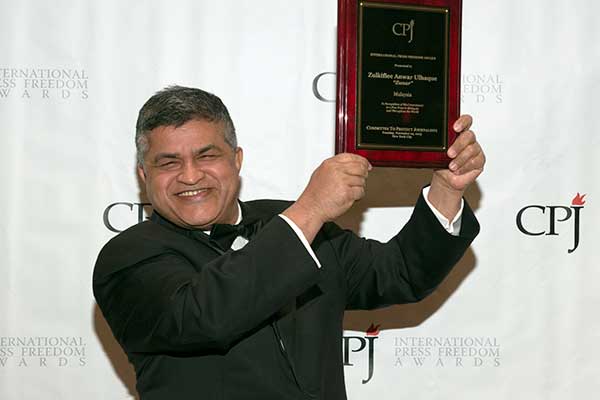
Right Is Might
by David Kaye
We have the laws and institutions to fight attempts at information control.
Being a Target
by Rukmini Callimachi
A reporter learns how to dodge terrorist threats to get the story.
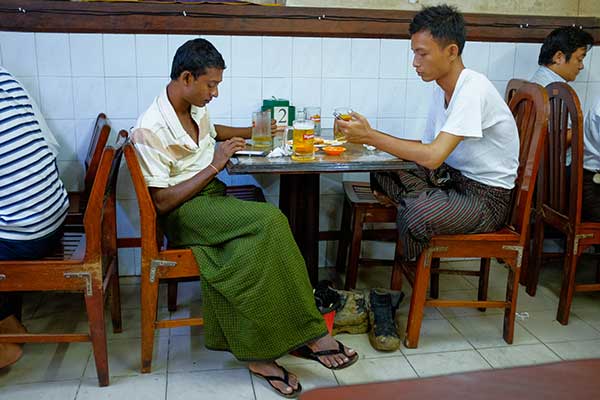
Eluding the Censors
by Karen Coates
For all its faults, Facebook is a lifeline for journalists in less developed countries.

Zone of Silence
by Robert Mahoney
The public is robbed of information when journalists are murdered.
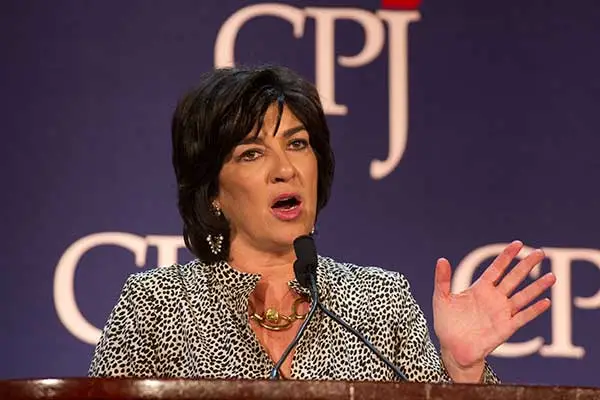
Fighting for the Truth
by Christiane Amanpour
Journalists have a huge amount of work to do.