Japan
2010
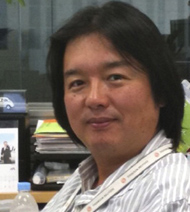
Reuters: Thailand says troops may have killed journalist
New York, December 10, 2010–Investigators in Thailand now believe that troops may have been responsible for the shooting death of Reuters cameraman Hiro Muramoto, at left, on April 10, according to a leaked preliminary state probe by Thailand’s Department of Special Investigation (DSI), Reuters reported from Bangkok today.Thai government investigators said in the report that the death…
Japanese journalist held by Burmese government
New York, November 8, 2010–Burma must immediately release Toru Yamaji, a reporter with Tokyo-based APF news agency, the Committee to Protect Journalists said today. Yamaji, 49, was detained Sunday in Myawaddy, on the country’s eastern border with Thailand while trying to cover the country’s first elections in two decades, according to international media reports, which quoted Japan’s embassy in Rangoon. He…
The high price of writing about the Japanese mafia
“In life, we only encounter the injustices we were meant to correct.” -Igari Toshiro, ex-prosecutor, leading lawyer in the anti-organized crime movement in Japan (1949-2010) Igari Toshiro was my lawyer, my mentor, and my friend. In the sixteen years I’ve been covering organized crime in Japan, I’ve never met anyone more courageous or inspiring–or anyone…
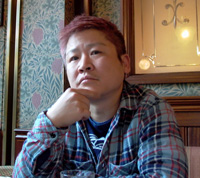
Japanese press advocates face 50 lawsuits, broken ribs
Kensuke Nishioka, 42, looked different from the other Japanese journalists I encountered in Tokyo during a February trip. Maybe it was the pink hair. “Don’t believe any journalist who says they’re at risk in Japan,” he declared, shrugging off the time, at age 32, when two members of a nationalist group cornered him in his office, broke his…
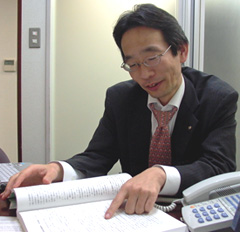
Japanese journalist-turned-lawyer fights media control
Kazuo Hizumi holds his hands up before him, shoulder-width apart. He is demonstrating the size of the blade he kept under his pillow when sleeping at the bureau in his days as a rookie reporter in Osaka in 1987. The journalism community was still reeling from a shooting attack on Asahi Shimbun’s Osaka bureau the month before, which had…
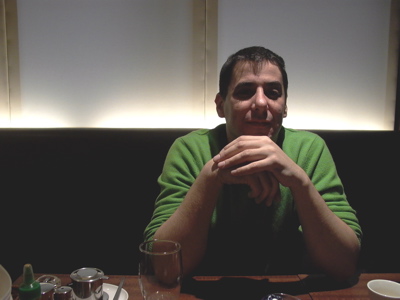
‘Erase it, or be erased’: Life on a Japanese mafia hit list
A polite man in a suit gave investigative reporter Jake Adelstein the message from a leader of one of Japan’s organized crime groups when he was first working on the story back in 2005: “Erase it, or be erased.” Adelstein backed off, but he didn’t stop researching Tadamasa Goto, a thuggish leader of the…

CPJ launches yearly findings globally, and is heard
On February 16, CPJ held an ambitious international launch of our annual report Attacks on the Press. We coordinated events in six cities on four continents in order to expand the reach of our international headlines while also focusing on specific issues in each region. So how did we do?

Citizen journalist helped report Philippine massacre
“The e-mail came in at 8.48 p.m.,” Philippine journalist Maria Ressa told a hushed audience at CPJ’s panel discussion, Press Freedom: On the Frontlines and Online, this morning at the Foreign Correspondents Club of Japan in Tokyo. She was describing how the first photo from the November massacre in Maguindanao province reached the mainstream Philippine…
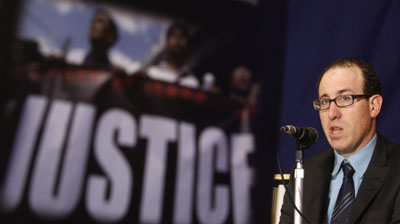
Press freedom, new media in Tokyo
CPJ’s six-city launch of Attacks on the Press began today in Tokyo, where we hosted a panel discussion with Maria Ressa of ABS-CBN TV in the Philippines, Asahi Shimbun deputy foreign editor Nobuyoshi Sakajiri, NHK Middle East correspondent Nobuhisa Degawa, CPJ China expert Madeline Earp, and me.