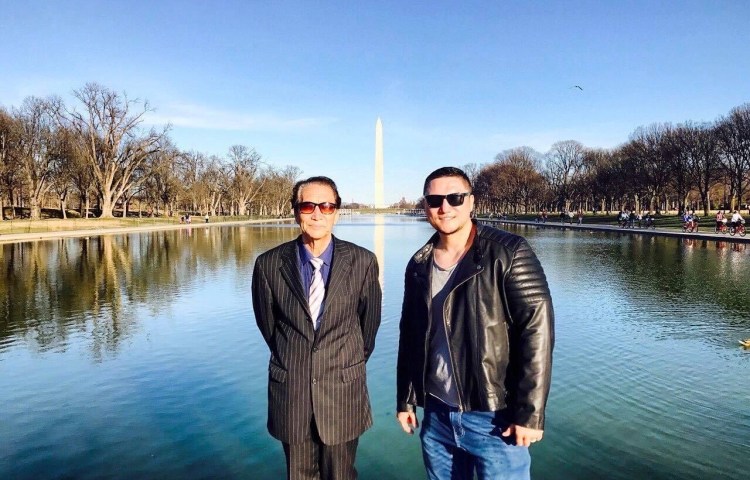
‘I couldn’t remain silent’: Son fights for Uyghur journalist’s release from Chinese prison
The last time Bahram Sintash saw his journalist father was in 2017. Qurban Mamut, an influential Uyghur editor had come to the United States for a visit but upon his return to Xinjiang in northwest China, he disappeared. Sintash later learned that his father had been swept up in China’s 2017 crackdown on Uyghurs and…
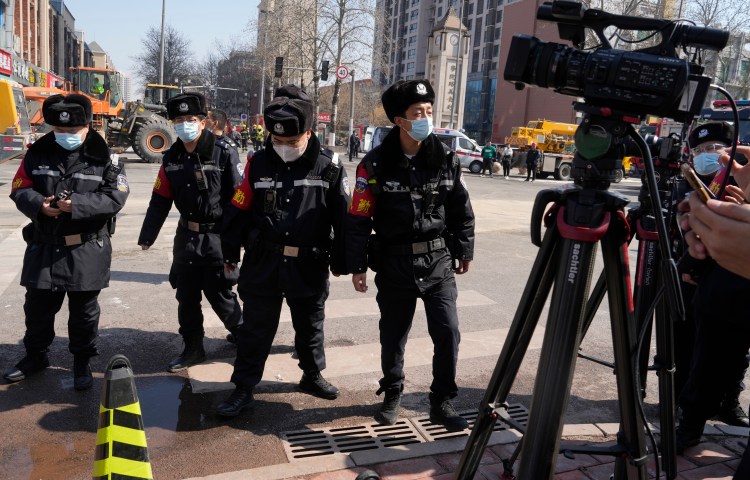
Rare rebuke for Chinese police who harassed state journalists covering gas explosion
Police blocked and harassed reporters from the state-owned broadcaster CCTV at the site of a fatal gas explosion in Sanhe, a city in China’s northern Hebei province, on March 13, 2024, according to news reports. The explosion was triggered by a gas leak at a restaurant, which killed seven and injured 27. During a live…
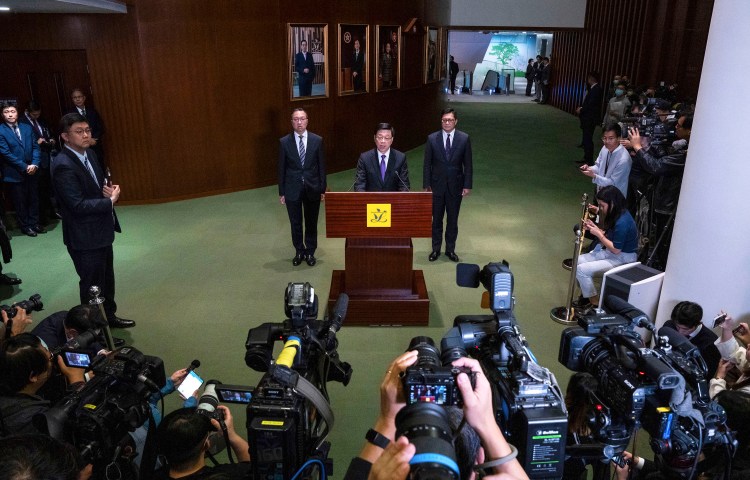
CPJ among 145 groups condemning ‘chilling effect’ of Hong Kong security law
New York, March 22, 2024—As a new national security law goes into effect in Hong Kong on Saturday, CPJ was among 145 groups across the globe that denounced the legislation, which could deepen a crackdown on human rights and further suppress media freedom in the city. Enacted under Article 23 of Hong Kong’s mini-constitution, the…
Hong Kong passes security law that further crushes the media
Taipei, March 19, 2024—The Committee to Protect Journalists condemns the Hong Kong legislature’s hasty passing of a national security law on Tuesday which could lead to the suppression of press freedom and prosecution of journalists. The city’s lawmakers unanimously passed the Safeguarding National Security Bill, enacted under Article 23 of the Basic Law, the city’s…
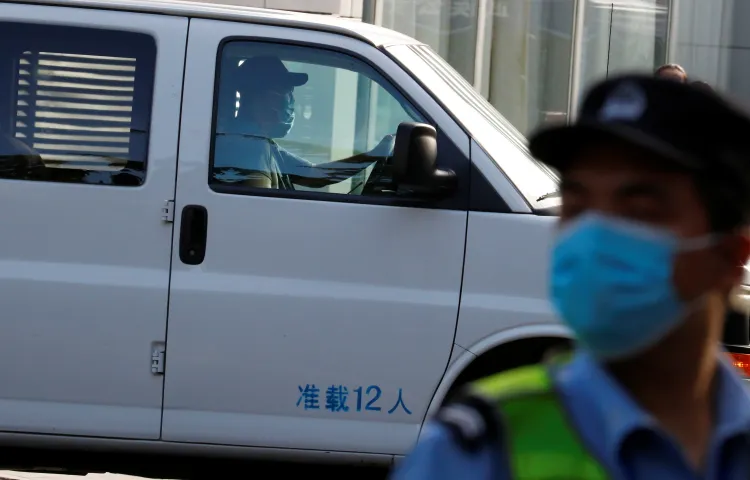
Dutch journalist Sjoerd den Daas and camera operator detained by Chinese police while covering protest
Taipei, March 5, 2024—Chinese authorities must respect foreign journalists’ right to report in the country, the Committee to Protect Journalists said Tuesday after police detained Sjoerd den Daas, a Dutch correspondent with the Dutch public broadcaster NOS, and his camera operator while they covered a protest last week. Den Daas and a camera operator were…
CPJ calls on Hong Kong to scrap proposed law that could further criminalize critical reporting
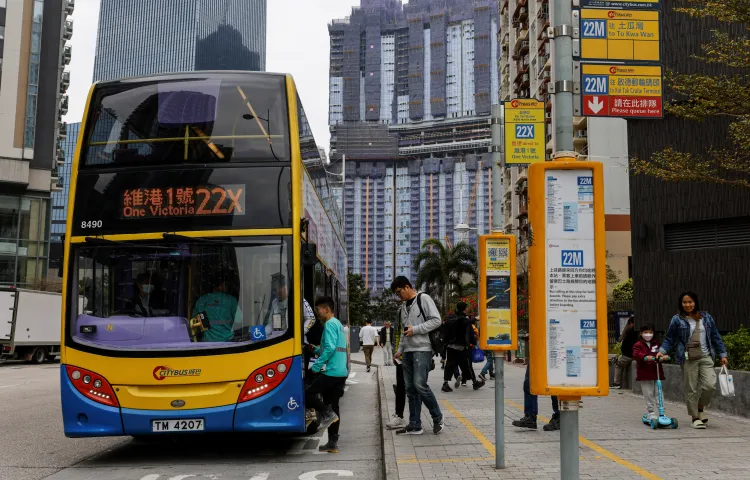
Taipei, March 1, 2024—The Hong Kong government must immediately halt plans to introduce new national security legislation that could strangle the city’s news industry by introducing new offenses including “acts of seditious intention” and “theft of state secrets,” the Committee to Protect Journalists said Friday. On January 30, Hong Kong’s security bureau published a “public…
Chinese director Chen Pinlin arrested over White Paper protest documentary
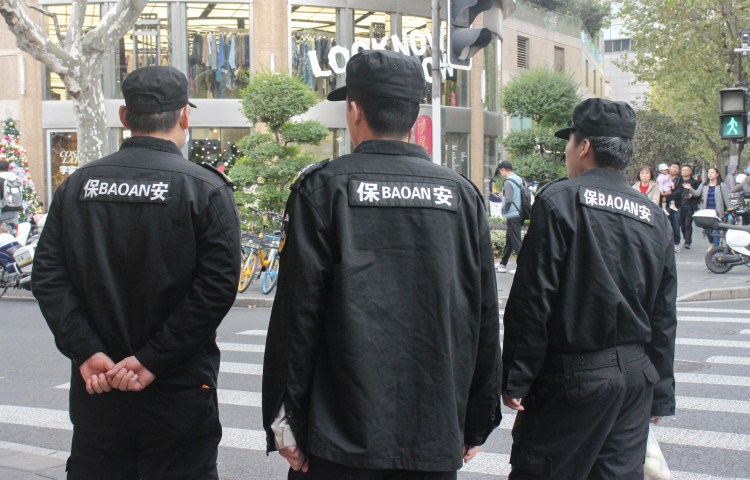
Taipei, February 22, 2024—Chinese authorities must immediately release documentary director Chen Pinlin, drop all legal proceedings, and allow journalists to document demonstrations, the Committee to Protect Journalists said Thursday. On February 18, Chinese authorities charged Chen, who published a documentary on anti-COVID restriction protests in late 2023, with “picking quarrels and provoking trouble,” according to…
CPJ calls on China to reverse death sentence against Yang Hengjun
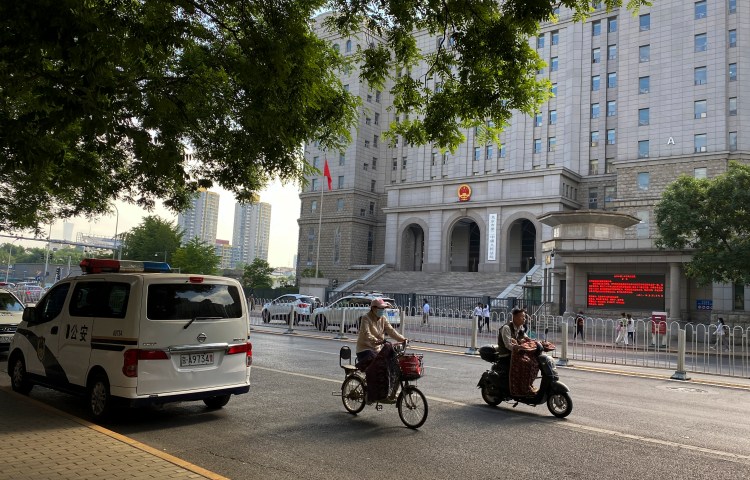
Taipei, February 5, 2024—The Committee to Protect Journalists condemns a Chinese court’s decision to hand Australian blogger and writer Yang Hengjun a suspended death sentence, and urges the Chinese authorities to free him immediately and unconditionally. “The suspended death sentence for Yang is completely unacceptable, revealing the arbitrary nature of the Chinese legal system,” said…
Hong Kong court finds 2 journalists guilty of unlawfully entering legislature during 2019 protests
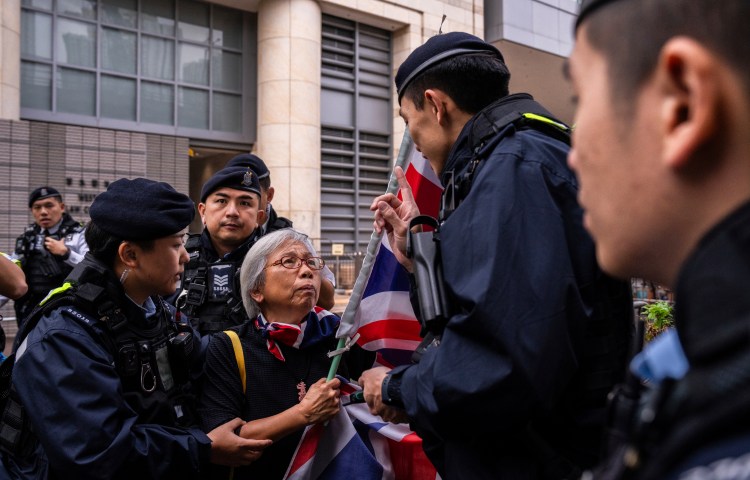
Taipei, February 1, 2024— A Hong Kong court found journalists Wong Ka-ho and Ma Kai-chung guilty of unlawfully entering the legislative council on July 1, 2019, during a protest where demonstrators stormed the parliament in opposition to an extradition bill that would have allowed authorities to send Hong Kong citizens to mainland China for trial,…
Chinese anti-corruption journalist Shangguan Yunkai sentenced to 15 years
Taipei, January 12, 2024—The Committee to Protect Journalists condemns the 15-year prison sentence issued to Chinese journalist Shangguan Yunkai and calls on the authorities to release him immediately. A district court in the central city of Ezhou handed down the sentence on January 5 after Shangguan was convicted for selling fake medicine, picking quarrels and…