CPJ, others oppose the Reforming Intelligence and Securing America Act
The Committee to Protect Journalists, along with over 70 civil society organizations, signed a letter urging Senate leaders to oppose the Reforming Intelligence and Securing America Act (RISAA), H.R.7888, which would dramatically expand the government’s warrantless surveillance powers without providing adequate protections for journalists. Under an amendment adopted as part of RISAA, the government could, in…
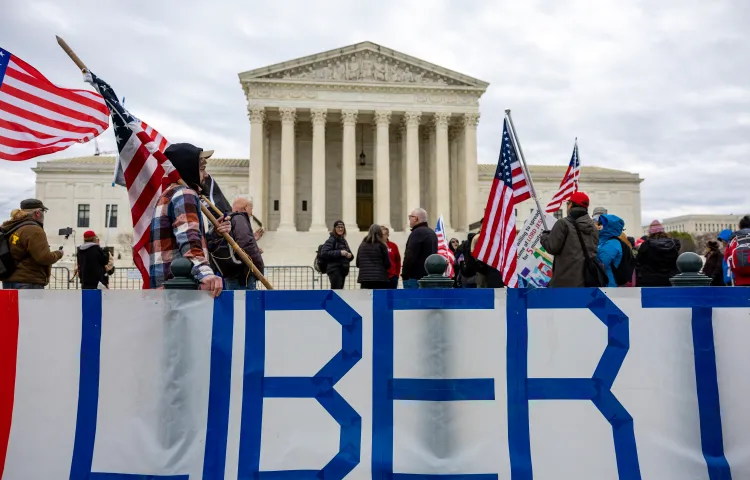
U.S. Presidential Election 2024: Journalist safety kit
The 2024 United States presidential election will take place on Tuesday, November 5 amid an increasingly polarized political climate. In addition to facing a high level of distrust in the media, journalists are likely to confront significant security challenges in the lead-up to the election, as well as on election day. The contested 2020 election…
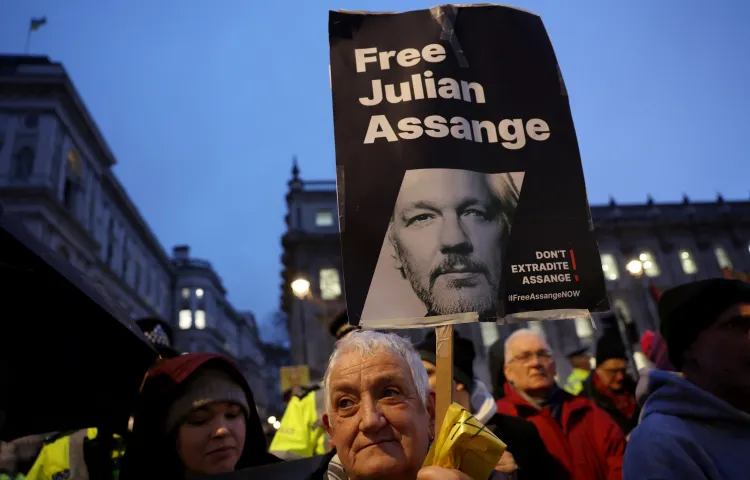
Why extradition of WikiLeaks’ Julian Assange to US would be cataclysmic for press freedom
The Australian founder of the website WikiLeaks, Julian Assange, has been fighting extradition to the U.S. from the U.K. since 2019 on charges that could strike a blow to press freedom globally. Here is CPJ’s briefing on the legal battle to extradite Assange, the charges he would face in the U.S., and why his prosecution…
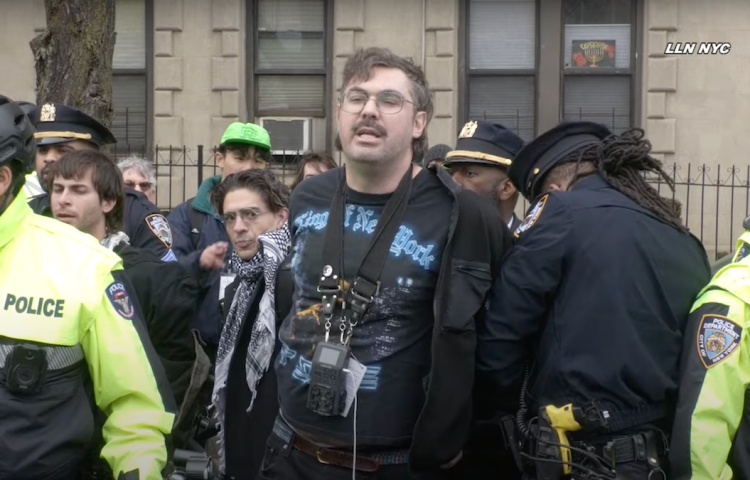
New York police arrest, charge journalist Reed Dunlea during protest against Israel
Washington, D.C., February 14, 2024—New York City law enforcement should immediately drop all charges against freelance journalist Reed Dunlea and take steps to ensure that reporters are not detained while covering protests, the Committee to Protect Journalists said on Wednesday. Dunlea was collecting audio for his podcast, Scene Report, at a February 10 protest in…
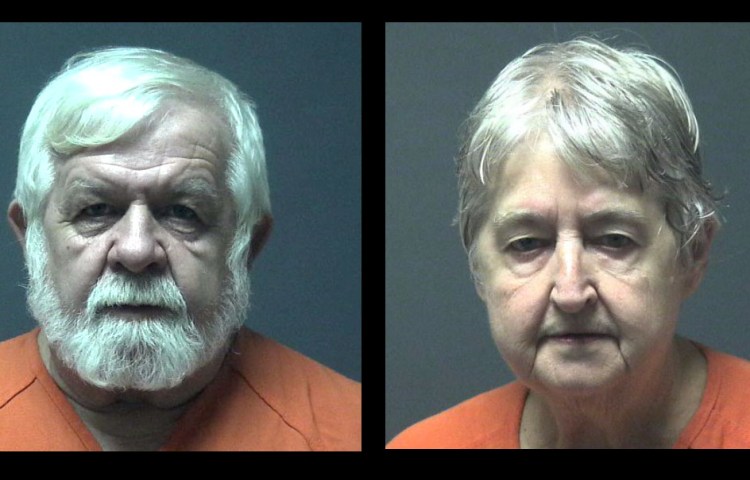
Alabama publisher, reporter arrested, charged with disclosing leaked information
Washington, D.C., October 31, 2023—Authorities in Escambia County, Alabama, should immediately drop all charges against Atmore News publisher Sherry Digmon and reporter Don Fletcher and thoroughly investigate the motives behind their arrests, the Committee to Protect Journalists said Tuesday. Police arrested Digmon and Fletcher on October 27 on charges of disclosing leaked information, according to…
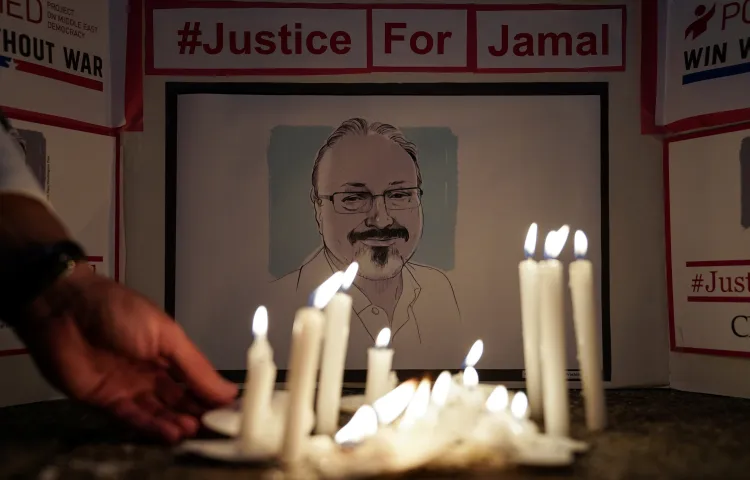
Mahoney: Biden’s Saudi policy stymies quest for Khashoggi justice
From pariah to potential partner. That’s how far Saudi Arabia has come for President Joe Biden in the five years since Riyadh sent a death squad to butcher journalist Jamal Khashoggi. The administration’s ongoing rehabilitation of the petrodollar kingdom and its de facto ruler Crown Prince Mohammed bin Salman, widely known as MBS, seems to…
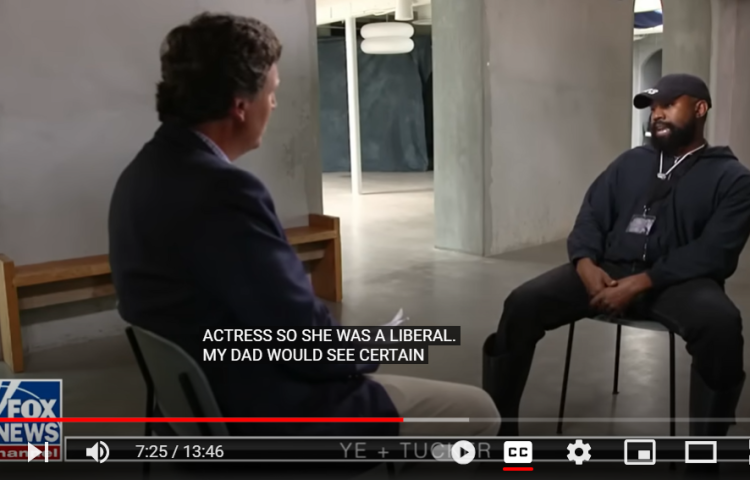
CPJ joins group calling for explanation of FBI raid linked to Tucker Carlson interview
The FBI used a search warrant to raid the home of freelance journalist Tim Burke on May 8, 2023, in Tampa, Fla., seizing most of his electronic devices, after Burke obtained outtakes of a 2022 Fox News interview by Tucker Carlson with the rapper Ye, formerly known as Kanye West. The Committee to Protect Journalists signed on…
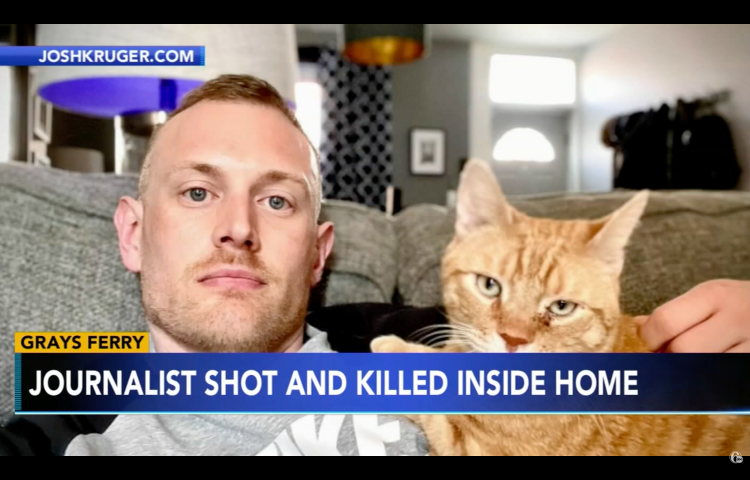
Journalist Josh Kruger shot, killed in Philadelphia
New York, October 2, 2023—The Committee to Protect Journalists has called for police to investigate the motive for the fatal shooting of freelance journalist Josh Kruger near his Philadelphia home on Monday. “We are deeply disturbed by the killing of freelance journalist Josh Kruger and extend our condolences to his colleagues and loved ones,” said…
‘Network abuse’: Attacks on 3 media sites involved services of US, UK firms
Cyberattackers used services of technology companies based in the U.S. and U.K. to target media sites from Somalia, Kosovo, and Turkmenistan, Qurium, a nonprofit hosting the sites, said Tuesday. Earlier this month, CPJ reported on how cyberattackers used a Nebraska company, RayoByte, in attempts to knock those same media sites offline, as well as at…