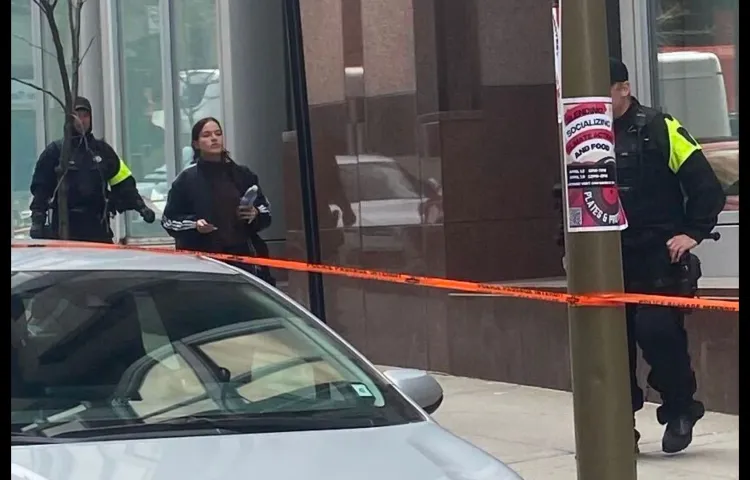
Canadian journalist detained during Israel-Gaza war protest
Washington, D.C., April 18, 2024—Canadian authorities must allow journalists to do their jobs and cover protests without fear of being detained or arrested and make public whether journalist Savanna Craig is facing charges following her arrest, the Committee to Protect Journalists said on Thursday. Craig, a reporter with the Montreal news program Local 514, was…
CPJ, others oppose the Reforming Intelligence and Securing America Act
The Committee to Protect Journalists, along with over 70 civil society organizations, signed a letter urging Senate leaders to oppose the Reforming Intelligence and Securing America Act (RISAA), H.R.7888, which would dramatically expand the government’s warrantless surveillance powers without providing adequate protections for journalists. Under an amendment adopted as part of RISAA, the government could, in…
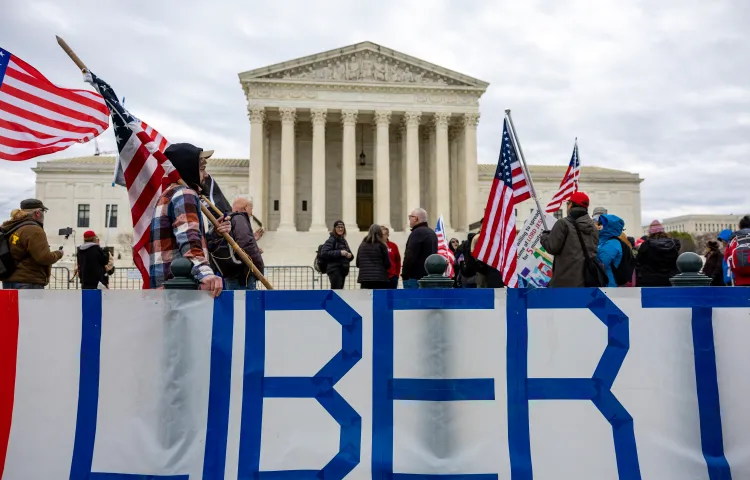
U.S. Presidential Election 2024: Journalist safety kit
The 2024 United States presidential election will take place on Tuesday, November 5 amid an increasingly polarized political climate. In addition to facing a high level of distrust in the media, journalists are likely to confront significant security challenges in the lead-up to the election, as well as on election day. The contested 2020 election…
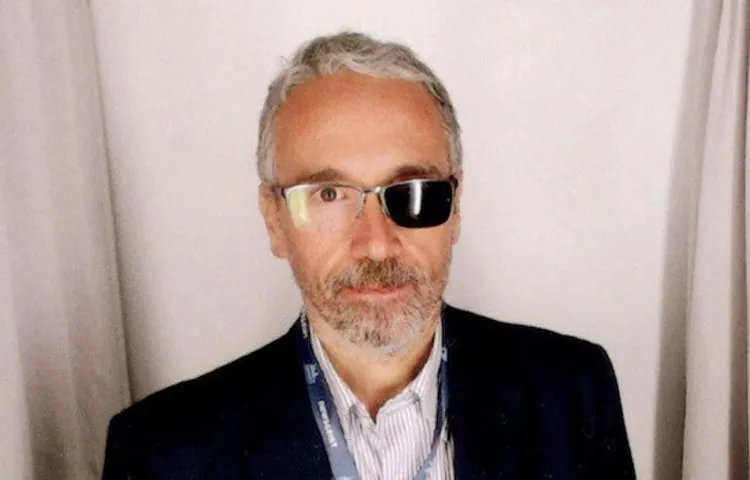
Argentine journalist gets death threats after reporting on illegal medication sales
São Paulo, April 12, 2024—Argentine authorities must thoroughly investigate the death threats received by journalist Julio Ernesto López on his father’s cell phone, the Committee to Protect Journalists said on Friday. According to an April 5 post on X, formerly Twitter, by the Association of Argentine Press Companies (ADEPA), a professional association, and a complaint…
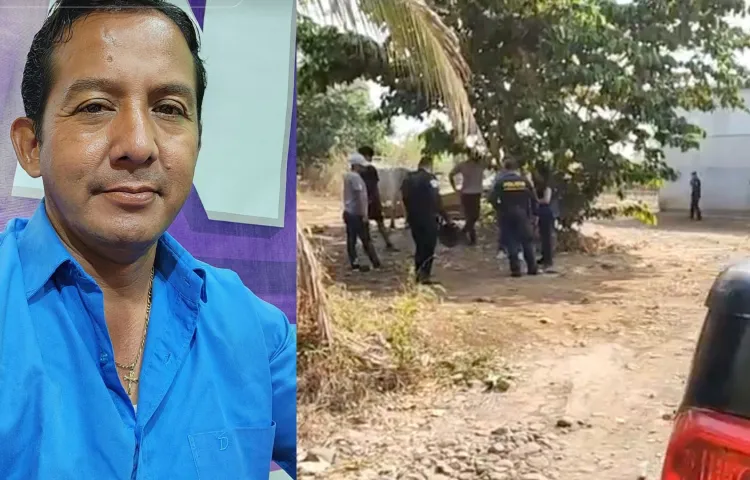
Guatemalan journalist Jorge Tizol detained while covering police raid
Mexico City, April 9, 2024— Guatemalan authorities must drop all legal proceedings against journalist Jorge Tizol and hold accountable those responsible for his unwarranted detention, the Committee to Protect Journalists said Tuesday. According to news reports, on April 6, police arrested Tizol, who reports for the La Jefa radio station, various local TV stations, and from his Canal…
Haitian journalist, YouTuber kidnapped by gang members, released
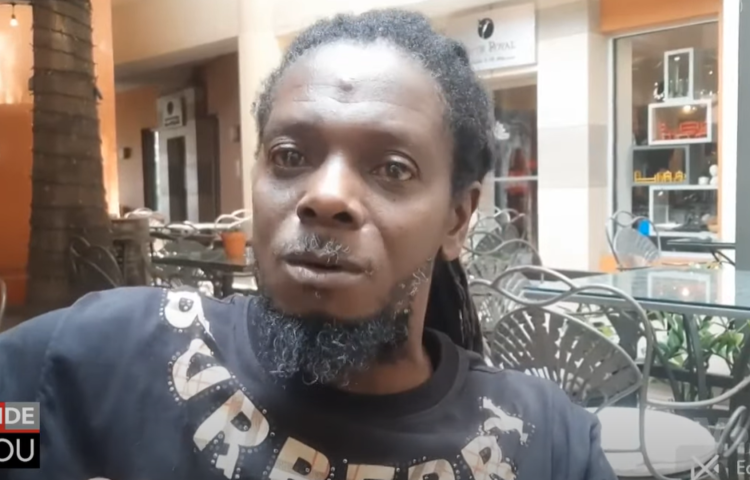
Local journalist Sean Roubens was kidnapped on March 14, 2024, by a gang in Haiti’s capital city of Port-au-Prince and held for 17 days before being released unharmed on March 30. Roubens, 42, is a veteran fixer, assisting foreign journalists and social media personalities seeking to report on Haiti’s gang violence. At the time of…

Peruvian authorities target journalist Gustavo Gorriti in bribery probe
Bogotá, April 2, 2024 – Peruvian authorities must drop their investigation of journalist Gustavo Gorriti and respect the right of reporters to maintain confidential sources, the Committee to Protect Journalists said Tuesday. On March 27, Alcides Chinchay, a public prosecutor in the capital city of Lima, opened a preliminary investigation into Gorriti, the editor-in-chief of…
‘Powerful enemies’: Did a prosecutor order the murder of Haitian journalist Garry Tesse?
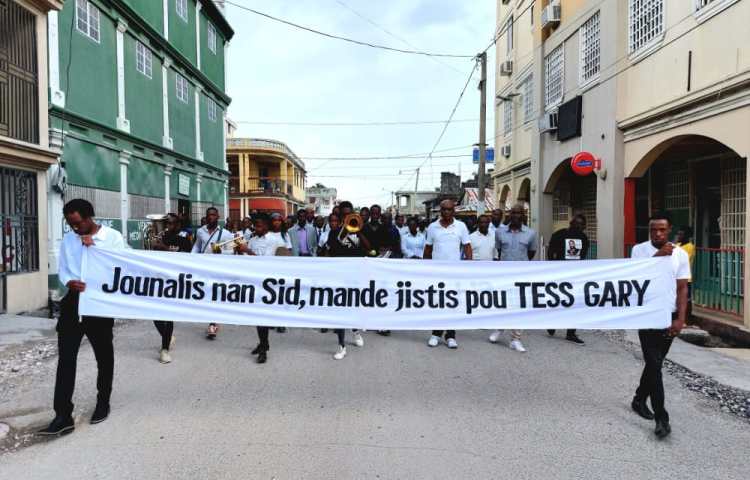
Haitian journalist Garry Tesse was on his way to work at a local radio station in the southern city of Les Cayes when he disappeared shortly after exiting a taxi. His naked and disfigured corpse was found six days later face down on the seashore close to downtown. One of his eyes was gouged out,…
CPJ, 8 other groups urge Guatemalan leaders to expand press freedom
The Committee to Protect Journalists (CPJ) has joined eight other press freedom organizations in urging Guatemala’s leaders to address the concerning decline in the country’s press freedom and its significance for democracy. In a statement issued ahead of the meeting between Guatemala’s President Bernardo Arévalo and U.S. Vice President Kamala Harris on Monday, March 25, the organizations called on the…
Haitian journalist Lucien Jura kidnapped as violence escalates in capital
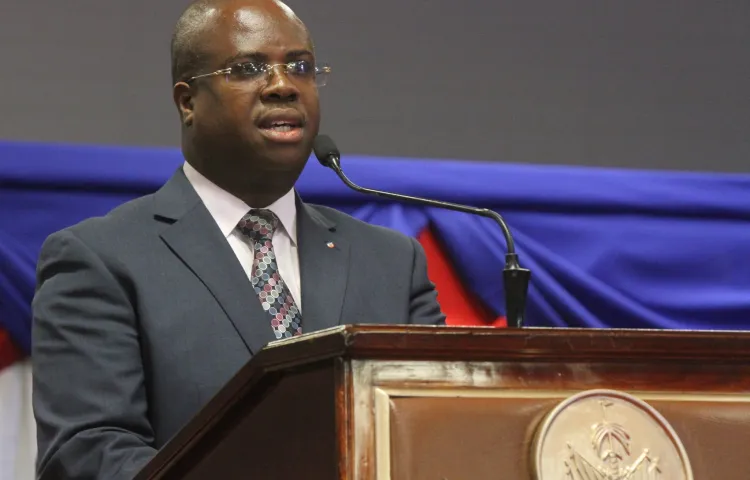
Editor’s note: Since the publication of this report, Lucien Jura was released by kidnappers, his brother Erick Jura told CPJ on Thursday. Miami, March 20, 2024—The kidnappers of journalist Lucien Jura should release him immediately and not hold journalists as pawns, the Committee to Protect Journalists said Wednesday. Jura was abducted from his home in…