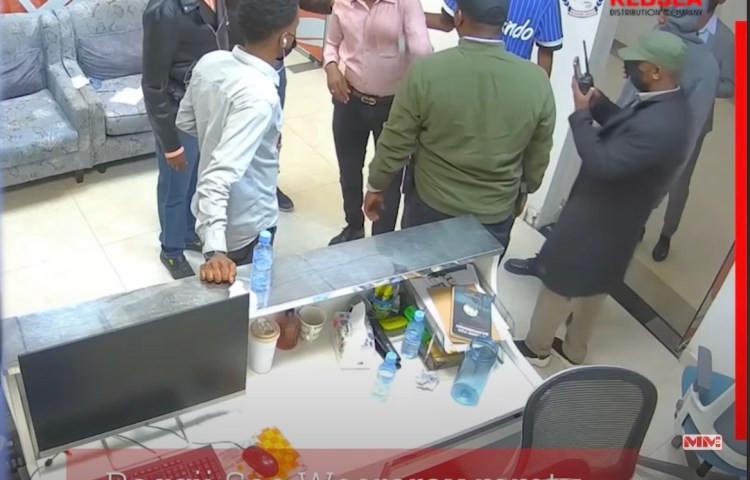
Somaliland journalist Mohamed Abdi Sheikh detained after discussing diplomatic row
Nairobi, January 17, 2024—The Committee to Protect Journalists on Wednesday called on authorities in the breakaway region of Somaliland to unconditionally release MM Somali TV journalist Mohamed Abdi Sheikh and to guarantee that members of the press can freely cover diplomatic affairs. On January 6, intelligence agents raided the offices of MM Somali TV in…
Faces of impunity across the world
CPJ’s 2023 Global Impunity Index lists the top 12 countries where the murderers of journalists go free. But impunity knows no borders. The mosaic below shows the faces of slain journalists around the world. Beneath each journalist’s photo is the location of their death. Click the images for more details about these unsolved cases. (Photo grid by Geoff McGhee)
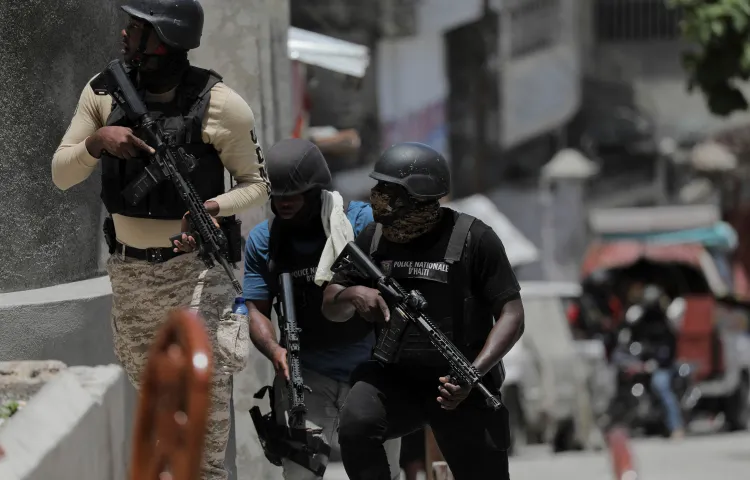
Haiti joins list of countries where killers of journalists most likely to go unpunished
By Arlene Getz/CPJ Editorial Director The persistent lack of justice for murdered reporters is a major threat to press freedom. Ten years after the United Nations declared an international day to end impunity for crimes against journalists – and more than 30 years after CPJ began documenting these killings – almost 80% of their killings…
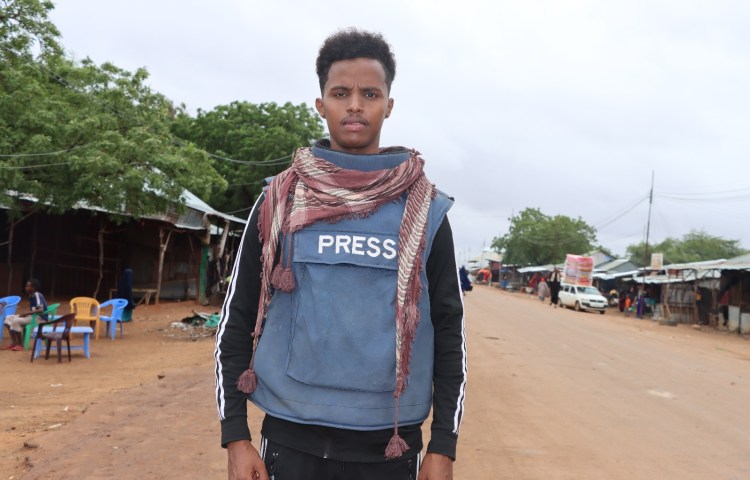
Somali court dismisses false news, anti-state case against Mohamed Ibrahim Osman Bulbul
Nairobi, Kenya, October 16, 2023—The Committee to Protect Journalists welcomes an October 11 court decision to dismiss the criminal case against Somali journalist Mohamed Ibrahim Osman Bulbul and calls on authorities to desist from arbitrarily detaining journalists. “Mohamed Ibrahim Osman Bulbul endured nearly two months of detention and faced punitive legal proceedings simply because he…
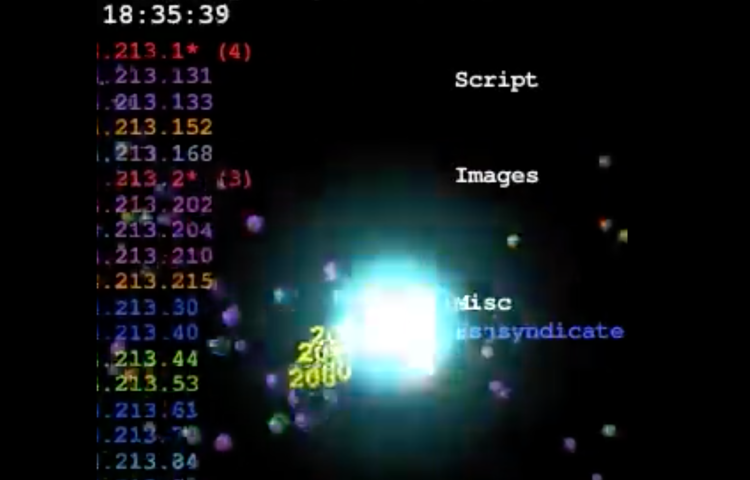
‘Network abuse’: Attacks on 3 media sites involved services of US, UK firms
Cyberattackers used services of technology companies based in the U.S. and U.K. to target media sites from Somalia, Kosovo, and Turkmenistan, Qurium, a nonprofit hosting the sites, said Tuesday. Earlier this month, CPJ reported on how cyberattackers used a Nebraska company, RayoByte, in attempts to knock those same media sites offline, as well as at…
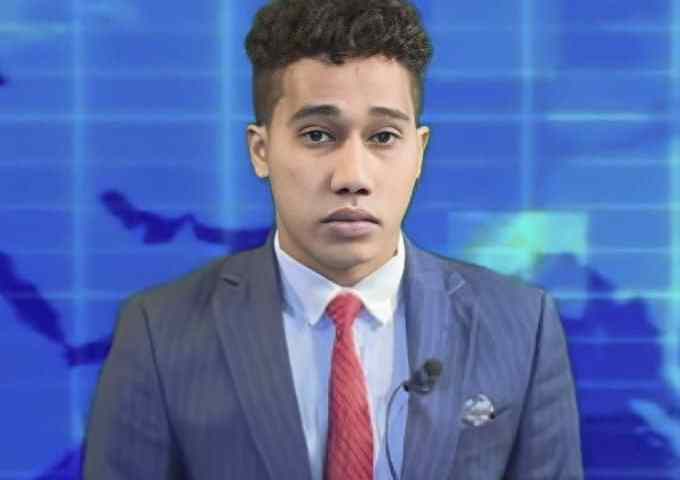
Somalia’s Radio Baraawe off air for weeks, director in hiding after shooting
Nairobi, September 14, 2023—The Committee to Protect Journalists on Thursday called on Somali authorities to credibly investigate an incident in which security personnel shot at Radio Baraawe and to create safe conditions for its journalists to return to work. On the evening of August 12, Radio Baraawe director Osman Aweys Bahar heard gunshots outside the…
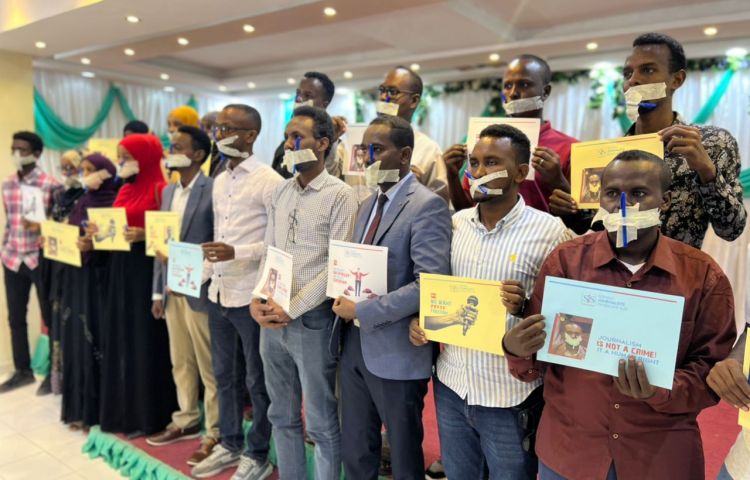
Cyberattackers used US company RayoByte in efforts to crash media sites
The cyberattack against the Somali Journalists Syndicate could not have come at a worse time. A distributed denial-of-service attack, known by its acronym DDoS, flooded the local press freedom group’s website with traffic in early August and knocked it offline. Days later, authorities arrested SJS staff member and Kaab TV editor Mohamed Ibrahim Osman Bulbul…
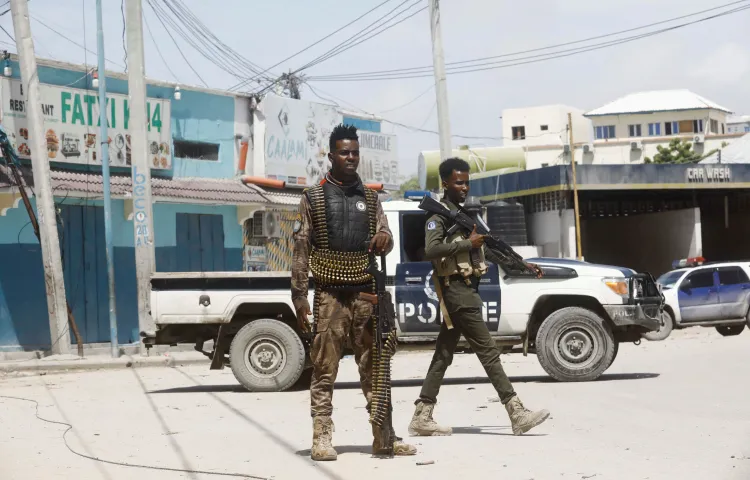
Two Somali journalists arrested for reporting on police, 1 remains in custody
Nairobi, August 23, 2023—The Committee to Protect Journalists on Wednesday called on Somali authorities to unconditionally release journalist Mohamed Ibrahim Osman Bulbul and stop intimidating media covering the security sector. On August 17, four plain-clothed security personnel arrested Mohamed, a reporter with the privately owned broadcaster Kaab TV, at Mogadishu University, where he studies part-time,…
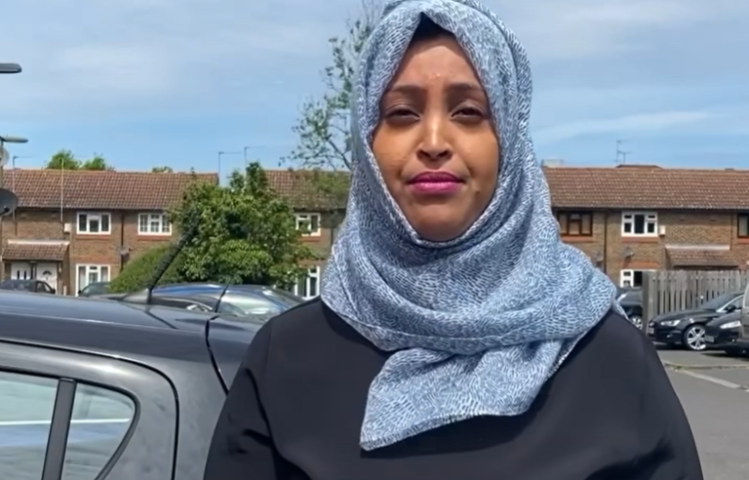
Journalist Bushaaro Ali Mohamed detained in Somaliland
Nairobi, May 23, 2023—Authorities in the breakaway region of Somaliland should unconditionally release journalist Bushaaro Ali Mohamed and stop detaining members of the press, the Committee to Protect Journalists said Tuesday. On the evening of May 15, Somaliland police arrested Bushaaro shortly after she entered the border town of Wajale from Ethiopia, according to media…
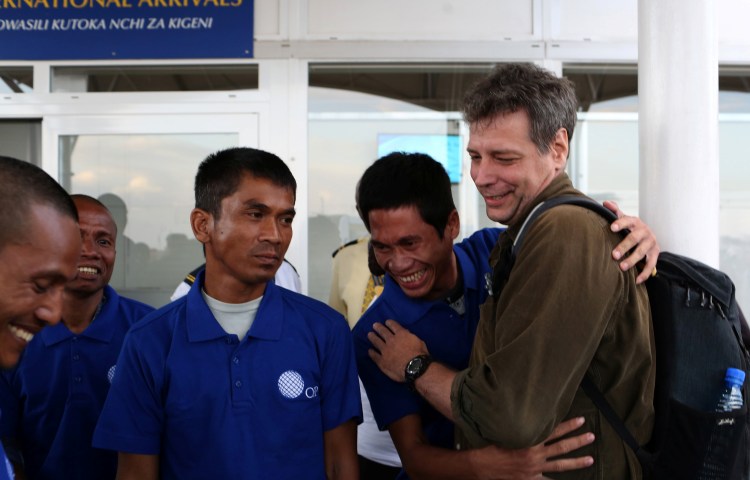
US court convicts 2 men of 2012 kidnapping of journalist Michael Scott Moore in Somalia
Nairobi, March 7, 2023—In response to a U.S. federal court’s conviction of two men, Mohamed Tahlil Mohamed and Abdi Yusu Hassan, in the 2012 hostage-taking of German American journalist Michael Scott Moore, the Committee to Protect Journalists issued the following statement welcoming the conviction: “The conviction of Mohamed Tahlil Mohamed and Abdi Yusuf Hassan in…