Kenya
2010
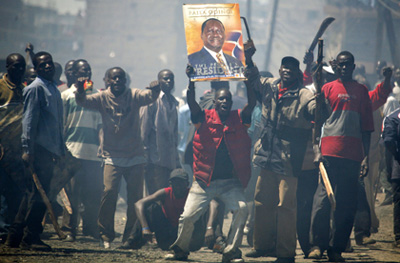
Kenyan journalist receives threats for investigating murder
New York, December 22, 2010–A Kenyan journalist whose reporting has helped expose and publicize the unsolved 2009 murder of reporter Francis Nyaruri received two anonymous threatening phone calls on Friday warning he could “share Nyaruri’s fate,” according to local journalists. The Committee to Protect Journalists today called on authorities to thoroughly investigate the threats and provide Sam Owida, a reporter…
Kenyan journalist’s murder case postponed again
Kenyan journalist Francis Nyaruri went missing on January 16, 2009 after writing a series of articles for The Weekly Citizen about corruption and malpractice by local police and civil servants. Thirteen days later, his bound and decapitated body was found near his hometown of Nyamira, northwest of the capital city of Nairobi. Twenty-two months after…
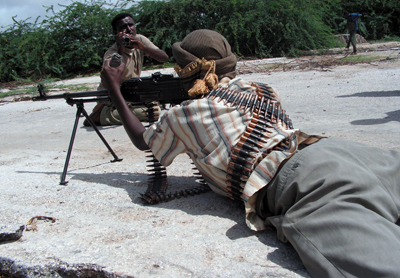
‘A Somali journalist’s life is short anyways’
In August, Shabelle Media Network, one of Somalia’s leading independent broadcasters, did something incredibly brave–they rebroadcast news and music that the BBC’s Somali-language service beams to the war-torn Horn of African nation in defiance of a ban imposed by hard-line militant Islamist rebel groups Al-Shabaab and Hizbul Islam. For Somali journalists, who risk death by crossfire and assassination, and censorship from both…
A lesson for South African media: Look to Kenya
The chorus of voices opposing the South African government’s proposed Protection of Information Bill and state-backed ombudsman continue to grow. South Africa’s Business Day estimates the press produces three articles per day opposing what many journalists see as an attempt by the ruling party to muzzle investigative reporting. More than 30 editors from major papers published protest messages…

CPJ launches yearly findings globally, and is heard
On February 16, CPJ held an ambitious international launch of our annual report Attacks on the Press. We coordinated events in six cities on four continents in order to expand the reach of our international headlines while also focusing on specific issues in each region. So how did we do?
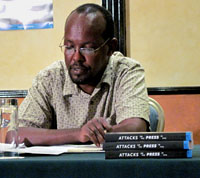
African journalists face increasing risk for foreign outlets
“I didn’t wear the bulletproof jacket and helmet that Reuters gave me,” explained veteran Somali journalist Sahal Abdulle to a packed crowd at Nairobi’s Serena Hotel for CPJ’s launch of Attacks on the Press. “It didn’t seem right when my colleagues, local journalists, were risking their lives trying to cover the same event.” Abdulle, like…
Attacks on the Press 2009: Africa Developments
ATTACKS ON THE PRESS: 2009 • Main Index AFRICA Regional Analysis: • In African hot spots, journalists forced into exile Country Summaries • DRC • Ethiopia • Gambia • Madagascar • Niger • Nigeria • Somalia • Uganda • Zambia • Zimbabwe • Other developments BOTSWANA A media law was enacted in January requiring government…